High Point University · Licensure Pass Rates
100% First-Time Licensure Pass Rates.
Five Programs, 21 Points Above Average.
Five HPU programs scored 100% on nationally administered licensure exams, written and scored by independent national bodies, not HPU. HPU averages 21 percentage points above the national benchmark across all five programs.
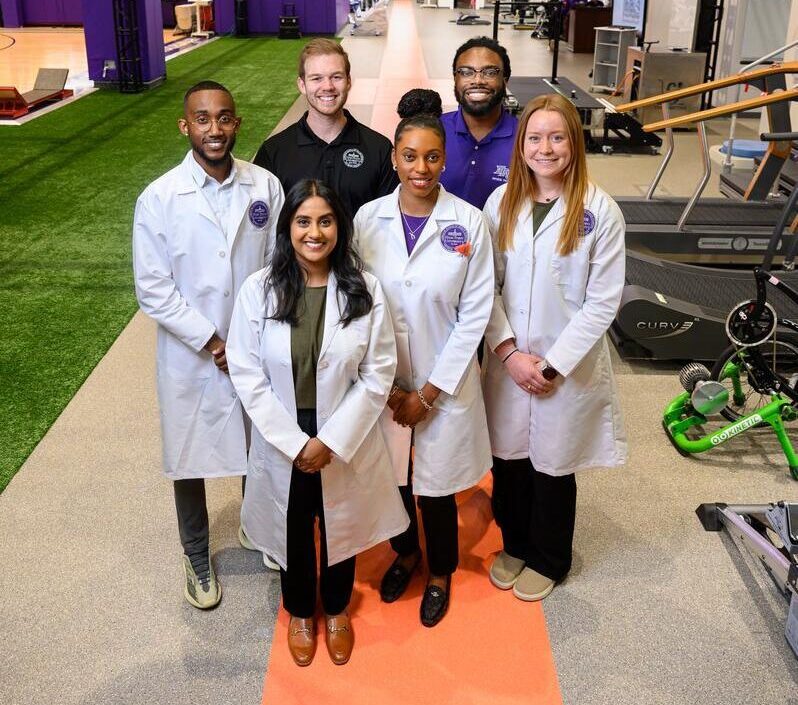
100% Licensure Pass Rates
5 programs100% first-time pass ratesExternally administered national examsUp to 31 percentage points above national averages
Five HPU programs have achieved 100% first-time pass rates on nationally standardized licensure exams. These tests are written, administered, and scored by independent national bodies. They measure whether graduates are actually prepared to practice their professions. A 100% first-time pass rate means every graduate who sat for the exam passed on the first attempt, with HPU averaging 21 percentage points above the national average across all five programs.
HPU is the only regional university in the South to have achieved simultaneous 100% first-time pass rates across five separate externally-administered national licensing exams; results that are independently measured and reflect genuine graduate preparation.
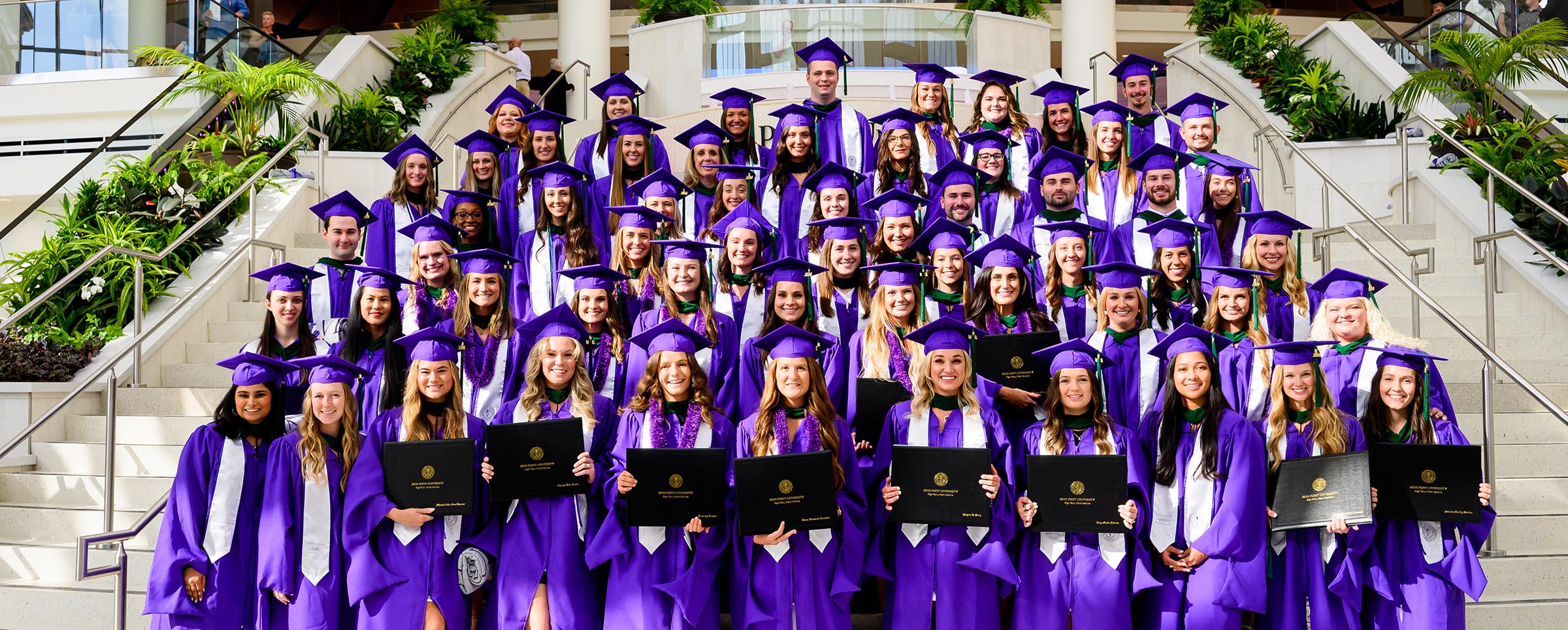
-
100% edTPA: Teacher Performance Assessment
Stout School of Education
- Pass Rate
- 100%
- Consecutive Years at 100%
- 5 consecutive years: 2022, 2023, 2024, 2025, 2026
- National Average
- 72%
- HPU vs. National
- +28 percentage points
- Licensure Areas Covered
- Elementary Education · Special Education · Secondary Social Studies · Secondary English
- Accreditation Anchor
- AAQEP + CAEP dual accreditation through June 30, 2030
- Source
- HPU edTPA announcement, April 2025
-
100% PANCE: Physician Assistant National Certifying Examination
Physician Assistant Studies, Norcross Graduate School
- First-Time Pass Rate
- 100%
- Consecutive Years at 100%
- 2 consecutive years: Classes of 2022 and 2023
- HPU vs. National Average
- +8 percentage points above national average
- Administering Body
- NCCPA, National Commission on Certification of Physician Assistants
- Accreditation
- ARC-PA Accreditation-Continued; next validation June 2029
- Source
- PANCE 100% announcement, September 2023 · Board exam results
-
100% BOC: Board of Certification Exam
Graduate Athletic Training, MSAT
- First-Time Pass Rate
- 100%
- Cohorts
- Classes of 2021 and 2022
- National Average (3-year aggregate)
- 72.17%
- HPU vs. National
- +27.83 percentage points
- Employment Rate for AT Graduates
- 100%, same cohorts
- CAATE Accreditation
- Continuous since January 13, 2017
- Source
- BOC 100% announcement, October 2022
-
100% FE Exam: Fundamentals of Engineering
Webb School of Engineering, ABET-Accredited Programs
- Pass Rate
- 100%
- Cohorts at 100%
- First two graduating cohorts, Classes of 2023 and 2024
- National Average (EE/CE first-time takers)
- 69%
- HPU vs. National
- +31 percentage points
- ABET-Accredited Programs
- Computer Science · Computer Engineering · Electrical Engineering
- Source
- Engineering FE Exam announcement, December 2024 · Rhino Times coverage of FE and NCLEX pass rates
-
100% ASHP Residency Match: PGY-2
Fred Wilson School of Pharmacy
- PGY-2 Match Rate (2025)
- 100% vs. 83% national average, +17 percentage points
- PGY-1 Match Rate (2025)
- 86% vs. 81% national average, +5 percentage points
- ACPE Accreditation
- Full accreditation, February 2021
- Source
- Fred Wilson School of Pharmacy, Student Outcomes
-
100% NCLEX: National Council Licensure Examination
Teresa B. Caine School of Nursing
- Pass Rate
- 100%
- Cohort
- Inaugural graduating class, 2024
- National Average
- Approximately 88%
- HPU vs. National
- +12 percentage points
- Source
- HPU Awards and Honors, January 2026
Program Accreditation, Faculty Research, and National Recognition
Each exam on this page is written, administered, and scored by an independent national body. The accreditations that authorize these programs, and the faculty whose research and teaching produce these outcomes, are documented on the pages below.
professional accreditations, including the bodies that oversee each exam
View Professional Accreditation →
in active federal research grants, funding the faculty who teach these programs
View Faculty Research & Credentials →
consecutive years ranked #1 Best Regional College in the South
View National Rankings & Awards →
Frequently Asked Questions: HPU Licensure Pass Rates
Questions about HPU’s 100% first-time pass rates across five programs, how each rate compares to national averages, what these results mean for program quality, and what they mean for students choosing a professional program.
What is HPU’s NCLEX pass rate for nursing graduates?
The Teresa B. Caine School of Nursing‘s inaugural graduating class in 2024 achieved a 100% first-time pass rate on the NCLEX-RN. The national average is approximately 88%, placing HPU 12 percentage points above the national benchmark.
The NCLEX-RN is written, administered, and scored by the National Council of State Boards of Nursing (NCSBN). HPU has no role in writing or scoring the exam. Every nursing graduate in the country who sits for licensure takes the same test, scored against the same standard.
The Teresa B. Caine School of Nursing holds professional accreditation from its relevant national body. See the full accreditation directory on the Professional Accreditation page.
What is HPU’s edTPA pass rate for teacher education graduates?
The Stout School of Education has achieved a 100% first-time pass rate on the edTPA for five consecutive years: 2022, 2023, 2024, 2025, and 2026. The national average is 72%, placing HPU 28 percentage points above the national benchmark.
Licensure areas earning 100% pass rates include Elementary Education, Special Education, Secondary Social Studies, and Secondary English. The edTPA is administered and scored by SCALE, independent of HPU.
The Stout School of Education holds dual AAQEP and CAEP accreditation through June 30, 2030. See the Professional Accreditation page for full details.
What is HPU’s FE Exam pass rate for engineering graduates?
The Webb School of Engineering achieved a 100% first-time pass rate on the Fundamentals of Engineering (FE) Exam for the first two graduating cohorts, the Classes of 2023 and 2024. The national first-time pass rate for EE/CE graduates is 69%, placing HPU 31 percentage points above the national benchmark.
The FE Exam is administered by the National Council of Examiners for Engineering and Surveying (NCEES). HPU’s Computer Science, Computer Engineering, and Electrical Engineering programs are ABET-accredited through both the CAC and EAC divisions.
At 31 percentage points above the national average, the FE Exam result is the largest outperformance margin of any HPU licensure program.
What is HPU’s PANCE pass rate for physician assistant graduates?
Graduates from HPU’s Physician Assistant Studies program in the Norcross Graduate School achieved a 100% first-time pass rate on the PANCE for two consecutive years, the Classes of 2022 and 2023. The national average is approximately 92%, placing HPU 8 percentage points above the national benchmark.
The PANCE is administered by the NCCPA (National Commission on Certification of Physician Assistants). The HPU PA program holds ARC-PA Accreditation-Continued status through June 2029. Full board exam results by cohort are available on the HPU PA Board Exam Results page.
What is HPU’s BOC Exam pass rate for athletic training graduates?
HPU’s Graduate Athletic Training MSAT program achieved a 100% first-time pass rate on the BOC Exam for the Classes of 2021 and 2022. The national 3-year aggregate average is 72.17%, placing HPU 27.83 percentage points above the national benchmark. The same cohorts also recorded a 100% employment rate.
The MSAT program holds CAATE accreditation continuously since January 13, 2017. The BOC Exam is administered by the Board of Certification, independent of HPU.
What is a first-time licensure pass rate, and why does it matter?
A first-time pass rate is the percentage of graduates who pass a national licensure exam on their first attempt. This is a stricter and more meaningful measure than an aggregate pass rate, which counts all attempts including retakes and can mask how well a program actually prepared its graduates.
First-time pass rates matter for two reasons. First, passing on the first attempt is often required for immediate employment, particularly in healthcare and education, where licensure must be in hand before a graduate can begin practicing. Second, first-time pass rates directly reflect the quality of preparation a program provided. A high first-time rate means graduates arrived at the exam ready.
All pass rates reported on this page are first-time rates, as reported by the independent body administering each exam. HPU’s 100% results mean every graduate who sat for the exam passed on the first attempt.
Why do national licensure exam results matter more than GPA or other measures of program quality?
National licensure exams are administered and scored by independent national bodies using criteria set entirely outside the institution. GPAs, faculty credentials, and many other quality measures are self-reported or internally determined. A program can calibrate its own grading standards; it cannot calibrate what the NCSBN or NCEES puts on their exams.
Every nursing graduate in the country who applies for licensure takes the same NCLEX, written and scored by the same body, against the same passing standard. Every engineering graduate takes the same FE Exam. The exam does not know or care whether a student attended an R1 research university or a regional college. This makes licensure exam pass rates one of the few outcome measures that creates a genuinely level playing field across all institution types.
When HPU engineering graduates pass the FE Exam at 100% and the national average is 69%, that 31-point gap reflects graduate preparation. The exam measured it. The national bodies reported it.
How does HPU’s overall licensure performance compare to national averages across all five programs?
Across five programs with 100% first-time pass rates, HPU averages 21 percentage points above national benchmarks. The range is +8 points on the PANCE (Physician Assistant) to +31 points on the FE Exam (Engineering).
| Program | Exam | HPU Rate | National Average | HPU vs. National |
|---|---|---|---|---|
| Stout School of Education | edTPA | 100% (5 consecutive years) | 72% | +28 pts |
| Teresa B. Caine School of Nursing | NCLEX-RN | 100% (inaugural class, 2024) | ~88% | +12 pts |
| Webb School of Engineering | FE Exam (EE/CE) | 100% (first two cohorts) | 69% | +31 pts |
| Physician Assistant Studies | PANCE | 100% (2 consecutive years) | ~92% | +8 pts |
| Graduate Athletic Training (MSAT) | BOC Exam | 100% (Classes of 2021–2022) | 72.17% | +27.83 pts |
These five exams are administered by five separate independent national bodies: SCALE, NCSBN, NCEES, NCCPA, and BOC. HPU outperforms the national average on all five, across five separate disciplines.
What does achieving 100% pass rates across five separate programs simultaneously indicate about HPU’s academic quality?
Five programs. Five different national exams. Five independent administering bodies. 100% on all five. That combination is not the result of any single program’s strength. It reflects the preparation standards applied consistently across HPU’s professional programs.
These pass rates are produced by the same faculty who hold more than $40 million in active federal research grants from NIH, NSF, and the U.S. Department of Education, awarded through competitive national peer review. The same programs hold 13 independent professional accreditations from national bodies. The same graduates go on to a 99.2% employment rate verified by NACE, the highest knowledge rate published by any institution in the country.
Peer institutions, assessing HPU through the U.S. News Best Undergraduate Teaching assessment, have designated HPU #1 in the South for three consecutive years. These licensure outcomes are part of what they are evaluating when they make that designation.
What do these licensure pass rates mean for a student choosing a nursing, engineering, or health sciences program?
For students entering a professional program, licensure pass rate is one of the most direct measures of whether a program prepared its graduates to practice. A program that produces 100% first-time pass rates, consistently, has demonstrated it graduates students who are ready to enter their professions immediately.
First-time pass rates matter for three practical reasons:
- Employment timing. Many healthcare and education employers require active licensure before a new hire begins practicing. Passing on the first attempt means no gap between graduation and start date.
- Cost. Retaking a national licensure exam involves exam fees, additional preparation time, and a delayed income start. Passing the first time eliminates this cost.
- Program preparation signal. A 100% first-time rate, maintained over multiple cohorts, reflects consistent preparation standards rather than a one-year anomaly.
When comparing programs, ask for the first-time pass rate reported by the administering body, the number of cohorts included, and the national average for context. Those three numbers are comparable across every institution in the country.
What is HPU’s pharmacy residency match rate, and how is it different from a licensure pass rate?
The Fred Wilson School of Pharmacy achieved a 100% PGY-2 pharmacy residency match rate in 2025 (vs. 83% nationally, +17 percentage points) and an 86% PGY-1 match rate (vs. 81% nationally, +5 percentage points). The program holds full ACPE accreditation since February 2021. Full outcomes data is available on the Fred Wilson School of Pharmacy Student Outcomes page.
A residency match rate is a different metric from a national licensure pass rate. Pharmacy graduates pursue licensure through the NAPLEX and MPJE, separate exams. Residency match rates measure how many graduates who applied for post-doctoral clinical training placements received a match. The match process is administered by ASHP. A 100% PGY-2 match rate means every Fred Wilson graduate who applied for a second-year residency specialty position received a placement, against a national average of 83%.
What does HPU’s combined licensure record indicate about its professional program quality?
National licensure exams are administered and scored by bodies entirely independent of HPU. The results they report are not influenced by HPU’s marketing, rankings, or reputation. They reflect one thing: whether graduates were prepared to pass.
Across the five programs where national licensure exam data is available, HPU’s graduates have passed at 100% on the first attempt. They have done so across nursing, engineering, education, physician assistant studies, and athletic training. Five separate exams. Five separate administering bodies. Five separate disciplines. Every result at or above 100% of the benchmark for multiple cohorts.
The same programs hold 13 independent professional accreditations. The faculty who teach them hold more than $40 million in active federal research grants. The graduates who complete them go on to a 99.2% NACE-verified employment rate, the best in North Carolina.
Every independent organization that has measured HPU’s professional program quality has arrived at the same place.
What should a student or family look for when evaluating a professional program’s quality?
The most reliable measures of professional program quality are verified by sources independent of the institution. Each of the following can be confirmed by contacting the administering body directly:
| Criterion | What to Ask For | Where to Verify | HPU’s Result |
|---|---|---|---|
| Licensure exam pass rate | First-time pass rate for the most recent two cohorts, compared to the national average | The administering body (NCSBN, NCEES, NCCPA, BOC, SCALE) | 100% across five programs; +8 to +31 points above national averages |
| Program accreditation | Active accreditation from the relevant national body, not just institutional accreditation | ABET, ARC-PA, CAPTE, ACPE, CAATE, AAQEP/CAEP, or the relevant body | 13 independent professional accreditations |
| Employment outcomes | NACE-verified placement rate and knowledge rate | NACE First-Destination Survey | 99.2% placed; 83% knowledge rate; #1 in North Carolina |
| Faculty depth | Active federal research grants awarded through competitive national peer review | NIH, NSF, U.S. Dept. of Education grant records | $40M+ in active competitive grants |
These criteria apply equally to every institution in the country. Each can be verified by sources independent of the institution being evaluated.