HIGH POINT, N.C., Oct. 20, 2016 – Members of the High Point University community frequently conduct, publish and share research and creative works in a variety of ways. Below is a recap of research initiatives from the past month.
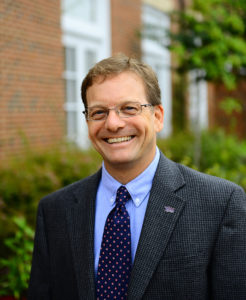 Anthropology Professor Publishes Article on Tea Party Supporters in Central NC
Dr. Bill Westermeyer, visiting assistant professor of anthropology, published an article in the Political and Legal Anthropology Review describing the characteristics and involvement of Tea Party supporters in central North Carolina. While the common perception of the Tea Party is one of national organizations and elite donors, Westermeyer’s study of eight county-level Tea Party groups revealed the extent to which local groups contribute to the success of the movement, especially in their influence on bread-and-butter issues at the city and county level.
“My on-the-ground, long-term research showed vibrant local-level groups of everyday citizens acting as effective political actors, even though they have been largely overlooked in social science research and by the media,” he says. “This research provides a glimpse of how people transform from regular citizens to political activists and the role and importance of face-to-face, local political organizations in this process. It also shows that local Tea Party groups are having some of their most pronounced effects in local politics, where many people simply are not looking.”
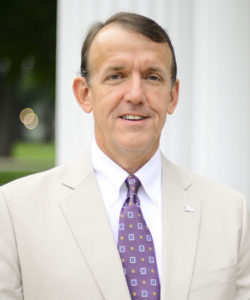
Pharmacy Professor Co-Authors Research on Gene Expression and Schizophrenia
Dr. Scott Hemby, chair of the Department of Basic Pharmaceutical Sciences in the Fred Wilson School of Pharmacy, co-authored research published by Nature Neuroscience investigating the various genes that contribute to a person’s risk for schizophrenia. The paper, “Gene expression elucidates functional impact of polygenic risk for schizophrenia,” provides evidence of a network of genes implicated in the development of the disease. Researchers sequenced RNA from brain samples obtained from autopsies of individuals with and without schizophrenia. This was a project of the CommonMind Consortium, a public–private partnership collecting large-scale data from human brain samples for the purpose of better understanding psychiatric disorders.
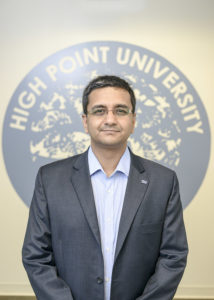 Pharmacy Professor’s Research Opens Doors to Discovery of New Class of Drugs
Dr. Aurijit Sarkar, assistant professor of basic pharmaceutical science in the Fred Wilson School of Pharmacy, is the lead author on a research paper published in the journal Glycobiology titled “Estimating glycosaminoglycan–protein interaction affinity: water dominates the specific antithrombin–heparin interaction.” The paper describes the first successful prediction of how well complex carbohydrates known as glycosaminoglycans can bind proteins. While Sarkar and his co-authors focused on how water affects the interaction of antithrombin, the body’s natural anti-clotting protein, with the blood-thinning glycosaminoglycan drug heparin, the implications of this work are much wider.
“The ability to accurately predict interactions will allow discovery of glycosaminoglycans as drugs for diseases such as cancer, heart disease, stroke, Alzheimer’s disease, and bacterial or viral infections,” says Sarkar, who previously won the International Society for Matrix Biology Young Scientist Award for his work on this project.