HIGH POINT, N.C., Nov. 18, 2016 – Members of the High Point University community frequently conduct, publish and share research and creative works in a variety of ways. Below is a recap of research initiatives from the past month.
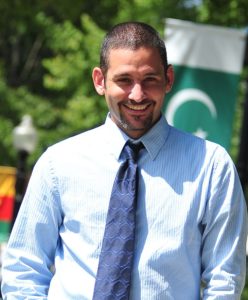
Exercise Science Professor Presents Research on the Culture of Eating
Dr. Tony Kemerly, professor of exercise science, presented a research paper at the Northeast Popular Culture Association Conference in Keene, New Hampshire. In his presentation, “You Are What You Eat: How Popular Culture Transforms Meals into Meaning,” he discussed the role of food and its association with various body types and how these associations influence the way society then views those bodies.
“From both the popular culture and medical perspectives, types of food tend to be organized as either good or bad, and our values, philosophies and ideologies are constructed by our eating behavior,” says Kemerly. “Food contains and conveys moral value to the person who eats it, and that value is often witnessed in that person’s physical appearance. As a result of this insidious cycle, we often tend to judge the person by the food they are eating or that is even in their proximity.”
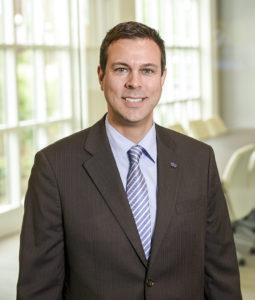
Communication Instructor Studies Response to Severe Weather Broadcasts
Research by Matt Ritter, instructor of strategic communication, recently published in the journal Electronic News looks at how tornado warnings are broadcast on television and people’s response to the news. The article, “This Is Not a Test: The Role of Group Inhibition in the Presentation of Tornado Warnings,” describes the experiment he conducted in which people were exposed to a fake tornado warning while watching what they thought was live television. Participants’ reactions to the news were observed and measured. Results of the study show some evidence that being in a group setting could inhibit people’s response to the threat of danger.
“This research is important because people are often in group settings like restaurants, classrooms, or retail stores when tornado warnings strike,” Ritter says. “We must recognize that being around other people can often influence our behavior. Being aware of this influence is essential when it comes to making a life-saving decision.”
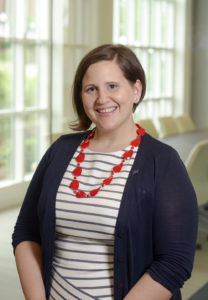
Human Relations Professor Gives TEDx Talk on Work-Life Balance
Dr. Elizabeth Jeter, assistant professor of human relations, participated in a TEDxWomen event on Oct. 27 in Winston-Salem, where she gave a talk on work-life balance based on her research as well as her professional and personal experience. She gave ideas and suggestions for approaching work-life balance by integrating work, personal and civic life. She explained how this works by discussing her time working for a women’s rights organization in Argentina and results of research she conducted with law enforcement across North Carolina, which showed the professional and personal benefits of civic engagement.
“Typically, debates over work-life balance don’t account for the benefits of blurring the lines between work, personal and civic life,” says Jeter. “Integrating and balancing these areas is possible with individual efforts, systemic change and access to collaborative technologies. It is essential to our quality of life and democracy.”
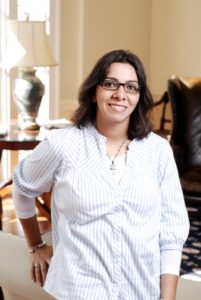
Journalism Professor’s Article Discusses Media Coverage of Middle Eastern Women
Dr. Nahed Eltantawy, associate professor of journalism, published an article in Fair Observer magazine on media and women in the Middle East and North Africa. Titled “The Media’s Imaginary Veiling of Women in MENA,” the article discusses the various ways Western media coverage of women has perpetuated the idea of oppression and backward culture without giving credit for achievements of women from the region, including their political activism and athletic achievements in the 2016 Rio Olympics.