Managers, if you’re struggling to find the right people for your open roles, you’re not alone.
So, what’s going on? Gen Z university graduates may not be finishing college with the set of life skills that leaders are seeking.
In a national survey of C-suite executives, 89% of business leaders said recent college graduates they hired failed due to insufficient life skills—traits like motivation, emotional intelligence, coachability and temperament.
It wasn’t always this way. Not long ago, recruiters could easily find strong candidates from almost anywhere in the pool of recent college graduates. Students would earn a degree, land a job and start climbing the ladder to success at a local, regional, or national corporation.
Today, recruiters need to be more selective about the colleges or universities from which they hire, because some are teaching the life skills that are required to succeed, and some are not.

The Unique Challenges Gen Z Has Faced
Just like generations before them, Gen Z’s journey has been shaped by some interesting hurdles.
Growing up in the digital age gave Gen Z incredible access to technology, but that access hasn’t all been beneficial. A lifetime of notifications, multitasking and online communication has made it harder for many to stay focused for long periods or navigate in-person conversations confidently. Reading body language, resolving conflict, or holding sustained discussions can be more difficult when most interactions happen through screens.
Then came COVID-19, which disrupted high school and undergraduate college education for many Gen Z students. During a time when students develop key social and professional skills, remote learning meant millions of students missed out on in-person classes, hands-on experiences and social development that build confidence and communication abilities.
In a 2025 study from the Digital Project Manager, 35% of employers highlighted that Gen Z lacked communication skills; in the same study, 65% of Gen Z themselves said they struggle to hold fluid conversations with their colleagues, which can make teamwork and collaboration more challenging.
This is where universities can help set students up for success. A strong college education should go beyond academics. It should prepare students to enter the workforce feeling confident, not just in their technical skills, but also in the ability to collaborate, lead and adapt.

Inside High Point University’s Life Skills Curriculum
High Point University has designed its curriculum to close the gap that both employers and students feel in too many college programs. It has regularly been named the #1 Best-Run College in the nation by The Princeton Review and has been nationally recognized as a trailblazer in life skills education. U.S. News and World Report ranked HPU as the Most Innovative Regional College in the South for the 11th consecutive year.
“Our call to action for students at High Point University is to choose to be extraordinary,” says HPU President Nido Qubein. “We invest in creating a dynamic atmosphere that encourages a growth mindset and instills important life skills that business leaders value like coachability, adaptability and communication.”
With High Point University’s general education curriculum, students take required courses that teach them how to:
- Communicate effectively.
- Adapt to change.
- Develop resilience.
- Build and maintain relationships.
- Make sound decisions using data and critical thinking.
But the life lessons don’t stop there. High Point University graduates gain an even greater advantage over their Gen Z peers thanks to HPU’s rigorous Life Skills curriculum. Focused on practical learning, the program equips students with the skills they need to succeed in their careers and make an impact in any setting.
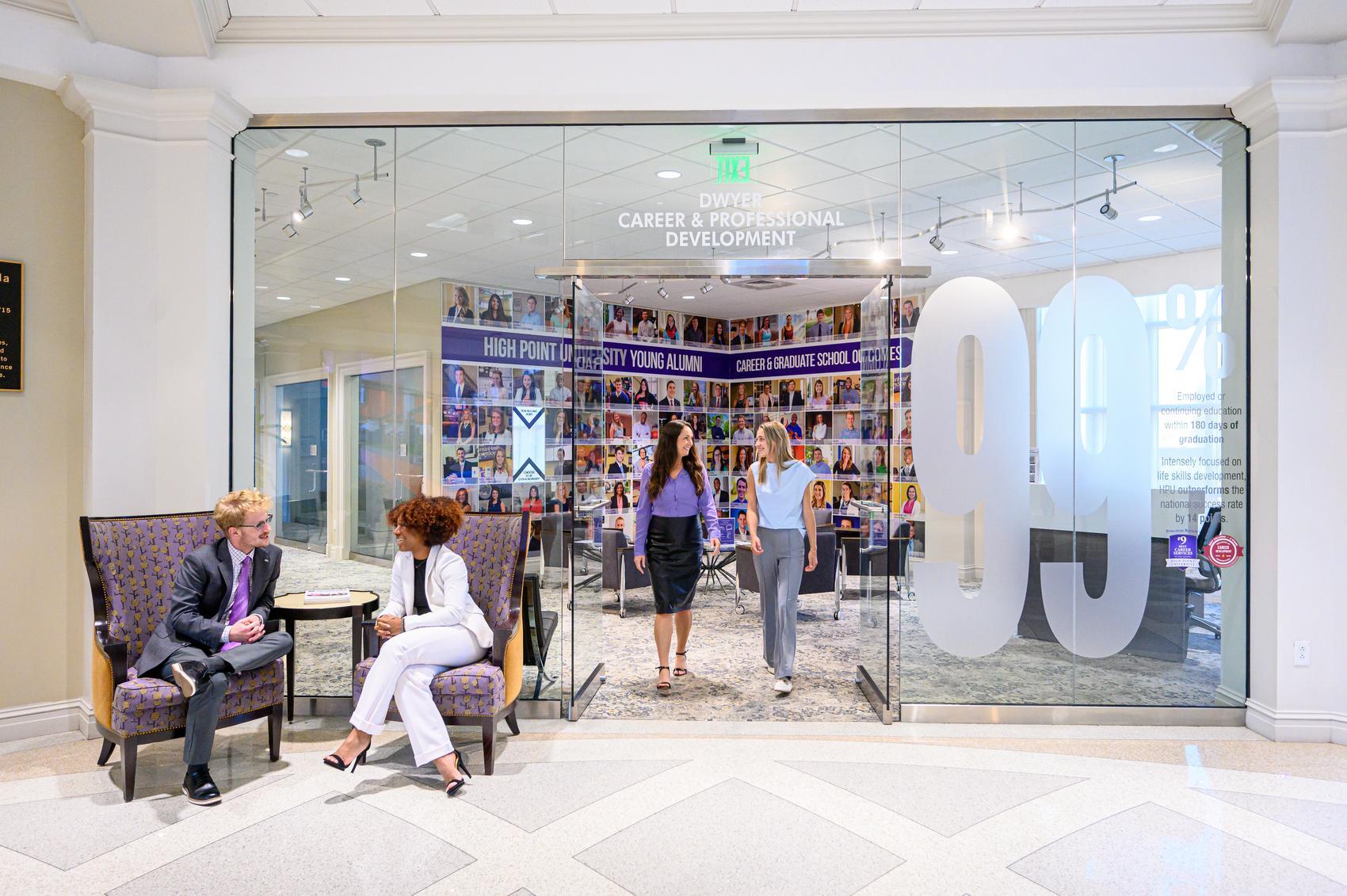
An astounding 99% of HPU graduates begin careers or graduate school within 180 days of graduation, according to data by the National Association of Colleges and Employers—14 points higher than the national average.
It isn’t just HPU’s general and special life skills curriculum that sets them up for success. HPU also offers highly valuable certifications in areas from emotional intelligence and networking to guest relations and workplace etiquette. Taught by industry professionals, these certifications not only help them build the skills needed to become stellar teammates and leaders, but they can also be added to the student’s resume and LinkedIn profile.
HPU graduates finish their undergraduate experience with strong communication, leadership and presentation skills that allow them to adapt to any environment and collaborate effectively with leaders at all levels.
Teaching the Skills That Make Great Hires: HPU’s Approach to Preparing Students for Real-World Success
Managers naturally continue a recent graduate’s education on the job with feedback, guidance and project assignments. But that growth doesn’t happen if a new hire isn’t coachable. HPU students are. Through their various program offerings, HPU students receive many opportunities to practice being coached through constructive feedback from success coaches, career advisors, faculty advisors, peer mentors and global leaders.
Each freshman is partnered with a personal success coach who meets with them regularly to guide them in selecting a major, mapping out a path to reaching their goals and providing academic support when needed.
Students also have access to HPU’s Office of Career and Professional Development, which helps them build the perfect resume, prep for job interviews and interact with industry professionals at networking events. With another innovative initiative called HPU in the City, students travel to New York City and Washington D.C. to gain firsthand experience of what it’s like to work at major employers.
HPU requires all first-year students to take the First-Year Seminar on Life Skills, a course that covers topics like resiliency, goal setting, the value of a growth mindset and even health and wellness. The class is taught by Qubein, who shares his experience from years of serial entrepreneurship and business leadership.
Qubein is a passionate advocate for the development of our future leaders. He came to the United States as a teenager with limited English skills and just $50, yet he went on to build successful business ventures in banking, real estate, publishing and retail. He serves on the corporate boards of several Fortune 500 companies, including Truist (the sixth-largest bank in the nation), furniture giant La-Z-Boy Incorporated and healthcare company Savista. Qubein is also the executive chairman of Great Harvest Bread Company.
He uses these regular chats with students to lean into the importance of showing up every day, working hard, managing time and winning negotiations in the corporate world.
Qubein is often joined by global leaders and innovators who also regularly meet with students as in-residence mentors—including Apple co-founder Steve Wozniak, Netflix co-founder Marc Randolph, former Dallas Mavericks CEO Cynt Marshall, Domino’s CEO Russell Weiner and former Chick-Fil-A Vice President of Talent Dee Ann Turner.
“Students should not only be armed with a diploma, but also with awareness, wise judgment and a set of values that will prepare them for a life that’s filled with success,” says Qubein. “Our graduates are ready to take on the world.”
A Launchpad for Professional Excellence
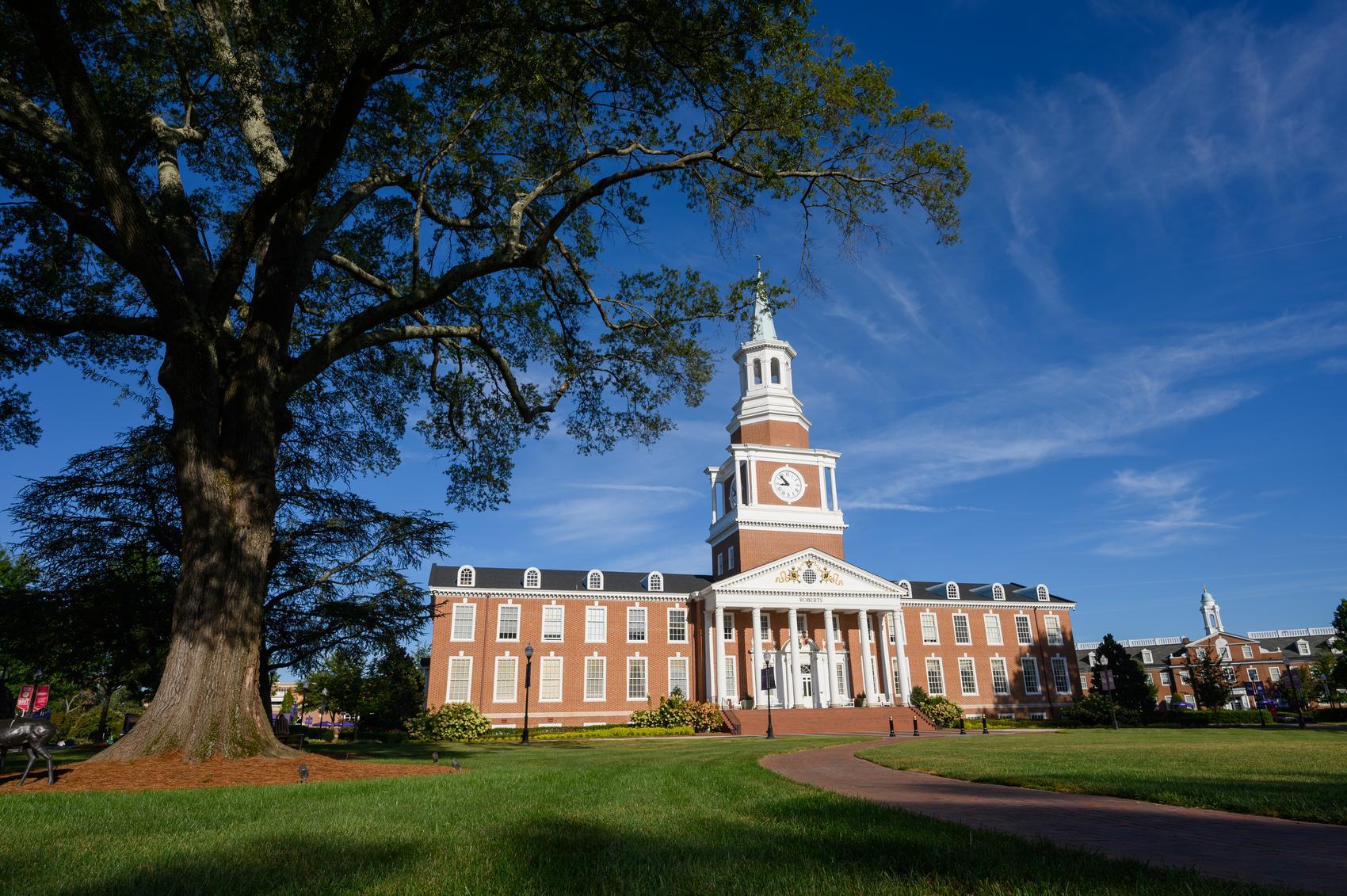
From the moment students set foot on campus, they are encouraged to be extraordinary. The university is celebrated for its gorgeous campus, notable alumni and luxury experiences. The facilities are designed to mirror the professional environments of Fortune 500 companies where they’ll someday work. There are even fine-dining spaces that provide weekly opportunities to practice etiquette and professionalism for future job interviews or client meetings held over meals.
By blending academic knowledge with career and life skills, High Point University ensures graduates are ready to not only enter the workforce but also add value to the organizations that hire them.
Explore the achievements of High Point University’s recent alumni and learn more about how the university’s Life Skills curriculum is preparing graduates to exceed your organization’s expectations.