HPU Hosts Artificial Intelligence Summit for Faculty
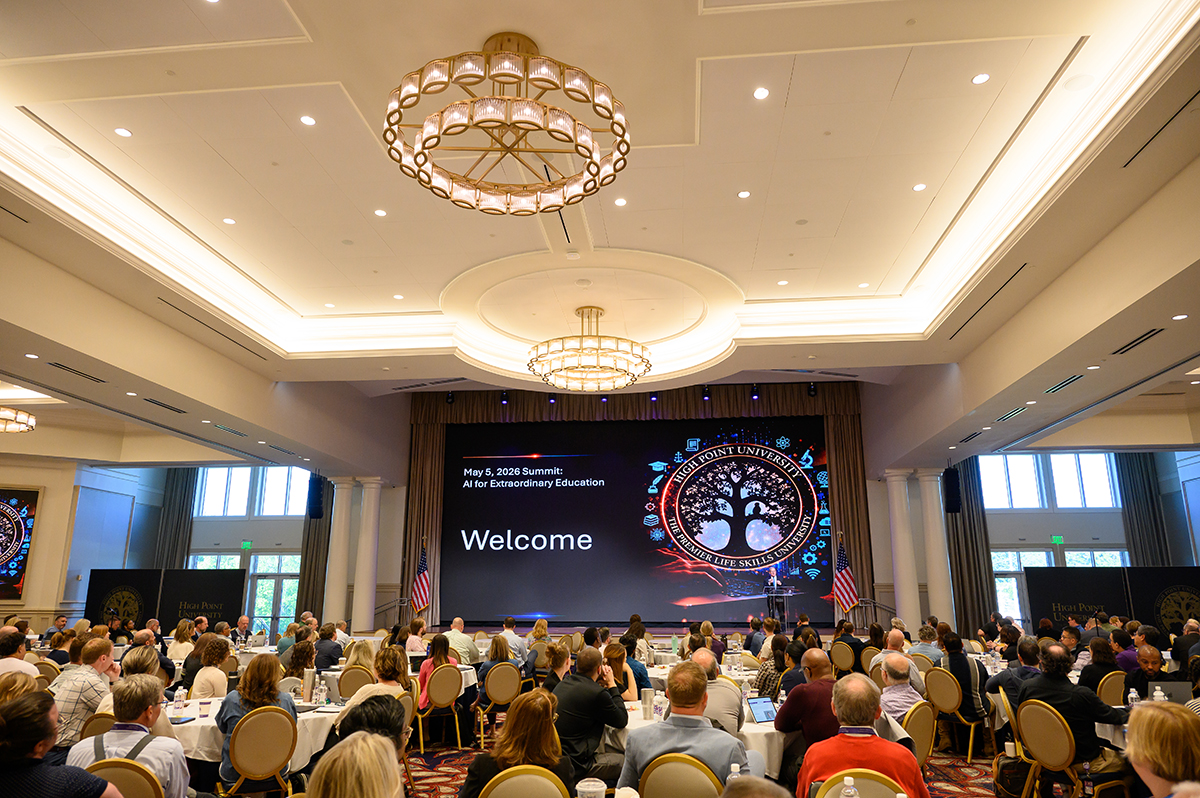
High Point University Provost Daniel Erb spoke to faculty during the “AI For Extraordinary Education” summit inside the Nido and Mariana Qubein Arena and Conference Center on May 5.
HIGH POINT, N.C., May 19, 2026 – High Point University faculty members returned to the classroom for a one-day, forward-thinking summit focused on the growing role of artificial intelligence in higher education.
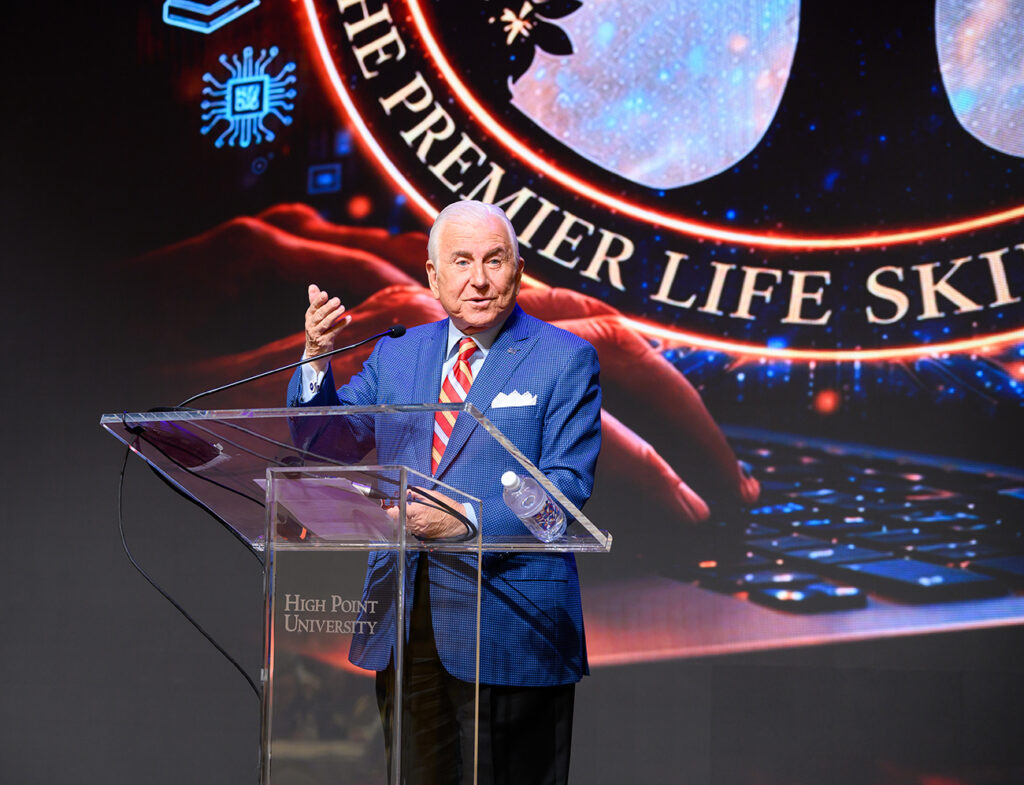
HPU’s Center for Innovative Teaching and Learning (CITL) and the Office of Academic Affairs hosted the summit called “AI For Extraordinary Education” on May 5 to explore the role of AI in higher education through innovation, ethics and emotional intelligence. The summit began in the Nido and Mariana Qubein Arena and Convention Center with remarks from HPU President Nido Qubein and keynote speaker Jeremy Utley, one of the world’s leading AI educators.
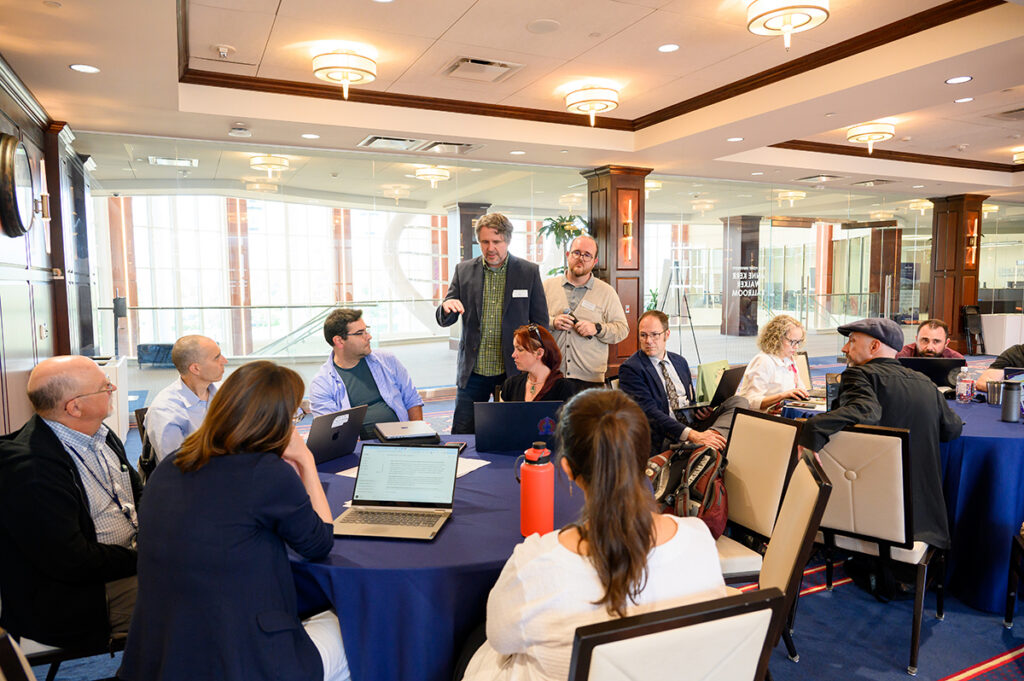
Learning and the exchange of ideas continued throughout the afternoon in Congdon Hall with 19 sessions led by 25 faculty members. They gave presentations to equip fellow faculty with practical ways to support students’ ethical and responsible use of AI. The content was designed to leave faculty with practical strategies.
“Our world is changing quickly and becoming more globally competitive,” Qubein said. “We recognize that artificial intelligence represents a transformative shift in how students learn and how industries operate. Our goal is to help students build both practical AI skills and the ability to understand ethical considerations and use these tools responsibly in professional settings.”
Qubein noted a growing number of faculty integrate AI into their coursework to help students with data analysis and problem-solving. Other faculty have partnered with HPU’s CITL to ensure students can clearly articulate their AI experience to future employers.
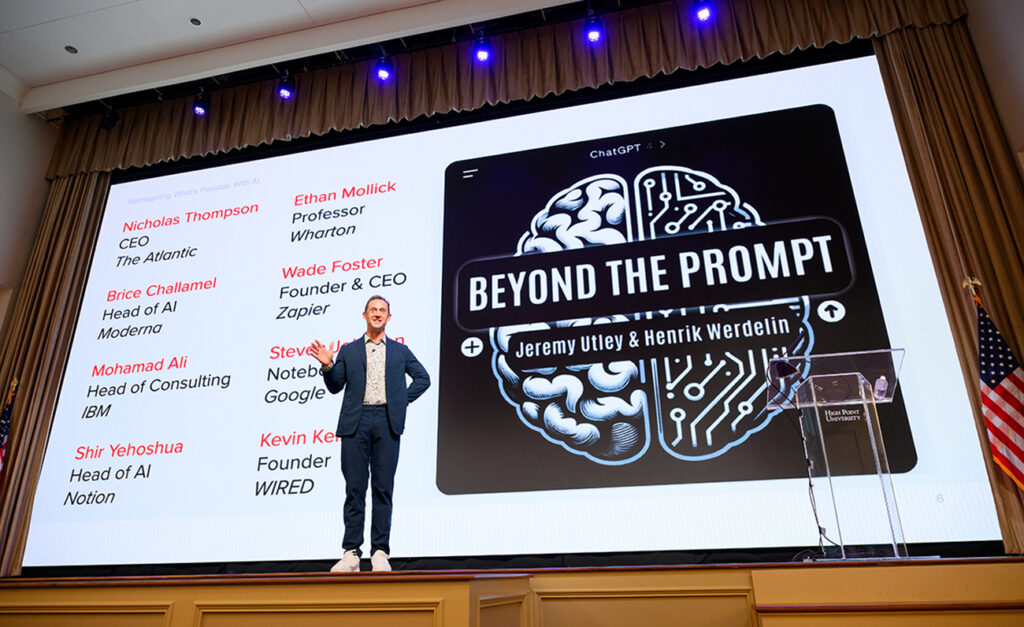
Faculty described Utley’s morning keynote speech as inspiring, insightful and energizing. Heidi Echols, director of the CITL and an assistant professor, said many faculty members appreciated the way it reframed AI as a partner and sparked new ways of thinking about teaching and work.
Dr. Matthew Brophy, associate professor of philosophy, joined Dr. Justin Cook, assistant professor of English and director of the HPU Writing Center, to lead a session on AI-assisted writing in the classroom.
“The summit showed how AI can strengthen learning rather than outsource it,” Brophy said. “Across sessions on deliberate practice, argument stress-testing, assignment redesign, authorship, accessibility and responsible AI, a common theme emerged: Students need guided, ethically grounded practice using AI as a scaffold for thinking, not a substitute for it. Summit presentations highlighted that AI makes human life skills more vital than ever. As students learn to work with AI, they will also need critical thinking, ethical judgment, emotional intelligence, creativity, collaboration and problem-solving. The CITL helps HPU faculty develop AI proficiencies so we can guide students toward those capacities, preparing graduates to thrive in their careers and lives.”
Echols held a seminar with HPU’s faculty on AI last August. She said the new technology can help professors build classroom content for students and personalize learning to make difficult material easier for some students to better understand.
“No matter who you are in the realm of teaching and learning, whether you’re in higher ed or K-12, AI is changing the way students learn and it’s changing the way you teach,” Echols said.
Faculty members are modeling for their students the importance of being a lifelong learner through their collaboration with the CITL, she said. They are also getting students actively involved in their own education.
“Together, we can create dynamic, student-centered learning environments that prepare educators and students to thrive in a changing world,” she said.
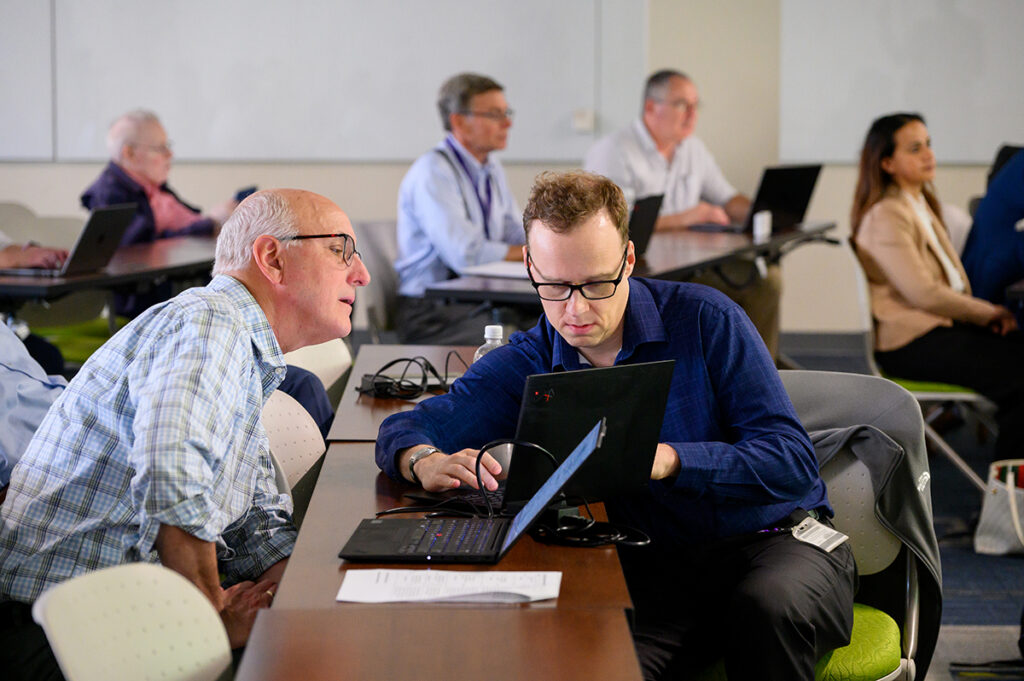
HPU’s AI initiatives and programs are housed under the CITL. The approach is structured, faculty-centered and aligned with preparing students for a workforce increasingly shaped by AI. The CITL currently operates out of Congdon Hall but will be housed inside the John and Lorraine Charman Library when the $100 million library opens in 2027.
Dr. Zawan Al Bulushi, faculty development specialist for AI in education, joined the CITL in January to ensure AI integration remains thoughtful, ethical and academically grounded rather than reactive. This role provides consistent leadership and guidance as faculty navigate rapidly evolving technologies. By investing in this position, HPU affirmed that AI integration is a strategic priority, enabling the university to move forward intentionally while equipping faculty and students to succeed in an increasingly AI-driven world.
In addition to department-level support, several schools have developed their own AI committees and resources. For example, the Earl N. Phillips School of Business has established an AI committee and launched its “AI Integration Initiative” website, which outlines its mission, approach and classroom activities related to AI.
The CITL offers AI-focused workshops almost every week, both virtually and in person. Recent sessions have included topics such as AI tools for classroom management and AI tools for student engagement.
HPU is also actively developing plans to expand AI programs and initiatives for Fall 2026. This next phase will focus broadly on deepening AI integration across academic programs, strengthening faculty support structures and increasing meaningful opportunities for students to engage with AI in applied and career-relevant ways.