- B.S., Bachelor of Science in Biochemistry - University of Southern California
- DDS, Doctor of Dental Surgery - University of California, Los Angeles School of Dentistry
- DMSc, Oral & Maxillofacial Pathology - Harvard University School of Dental Medicine
- University Department Dental Medicine
- Location Workman Hall
- Phone Number 336-841-2653
- Email [email protected]
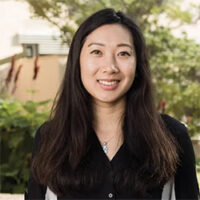
Dr. Diana Wang serves as a Clinical Associate Professor at the Workman School of Dental Medicine, where she contributes to the development of academic content in oral and maxillofacial pathology. In her role at High Point University, she is dedicated to integrating scientific research, pathology education, and clinical relevance to help students develop a strong understanding of disease processes and their impact on patient care.
Dr. Wang earned her Bachelor of Science in Biochemistry from the University of Southern California and her Doctor of Dental Surgery (DDS) with Honors from the University of California, Los Angeles School of Dentistry. She went on to complete advanced training in Oral and Maxillofacial Pathology at Harvard University School of Dental Medicine, where she also earned her Doctor of Medical Sciences (DMSc). Her doctoral research focused on alternative epigenetic pathways in melanoma progression, reflecting her strong interest in disease mechanisms and translational science.
At Harvard, Dr. Wang developed advanced expertise in oral and maxillofacial pathology, strengthening her commitment to bridging research and clinical application. She is passionate about fostering curiosity and encouraging continuous learning by connecting foundational science with real-world clinical practice.
Dr. Wang was drawn to High Point University for its innovative educational environment and its emphasis on experiential, student-centered learning. She is committed to inspiring students to develop a lifelong passion for learning while advancing excellence in patient care through the integration of research and clinical knowledge.