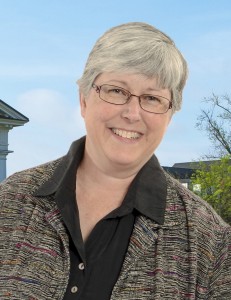
Our guest blogger for this post is Benita VanWinkle, Assistant Professor of Art.
 In the common read book The Work, Wes Moore sites that his challenge was returning to life after serving in in the military in Afghanistan. As he relates, it is something you can’t prepare for because no one deals with it the same way. Just as you have come to school to uncover your life’s work, Moore was finding that he was inventing his new life after returning from combat.
What if you thought you knew your purpose and then suddenly it wasn’t there anymore? Stacy Pearsall joined the Air Force thinking she would find work as a web designer and ended up finding – and loving! – work as a military photographer. After just a short time in this role, she received the Military Photographer of the year award by the National Press Photographers Association. While it wasn’t easy to carry cameras and an excruciating amount of combat gear, as a woman on the front line of fire Stacy found she had a viewpoint that was unique. Stacy was making a difference with her images, honoring her fellow soldiers courage and perseverance through her photography. And then suddenly she wasn’t. After sustaining two major injuries which led to a release from the military and a life that had felt fulfilling, suddenly she was without direction. She had just received her second Military Photographer of the year award, and now she could not do what she loved.
Her first visit to a VA hospital for medical attention coincided with a veteran that helped her to see that she could use her photography skills to serve in a different way. Still in a healing process, both physically and mentally, and with permission, she set up a makeshift ‘studio’ in the hallway of the hospital, making portraits of those fellow soldiers and listening to their stories. This process has lead to a project now called the “Veterans Portrait Project” that has been recognized by President Obama. With more than 3,000 portrait sessions complete and more requests every week, Stacy could be busy for the rest of her life.
As you begin this next chapter of your life, going to school and finding a life of meaning, know that you will also face challenges. Moore relates, “The opportunity to expand our own intellectual, spiritual, and social horizons is something that can get lost when we’re thinking about the next move in our lives- but it can be the most transformative thing about any work we do.” Stacy is making her own path to recovery in a life that matters. As a photography professor here at HPU, I strive to teach students that it isn’t so much what you photograph, but how you use your talents and vision to reach out to others. Stacy has made connections and transformed how people see themselves and others. This is just one of the reasons why I looking forward to my students meeting Stacy.
You are invited to meet and hear Stacy Pearsall’s story as she visits High Point University as part of our Common Experience “Just Communities” Cultural Programming, at 7 pm on September 23 to give a talk about her award winning images of combat photography. Pearsall’s work will be on display at the High Point Museum, 1859 E Lexington Avenue, High Point from September 23 to November 28, 2015. I hope to see you there!
Have you ever made a photograph that made a difference in someone’s life? How? Can you show us the photo and tell us the story? We would love to hear it!


