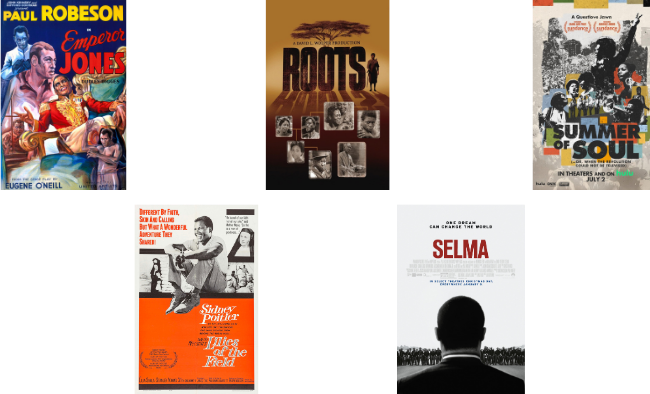
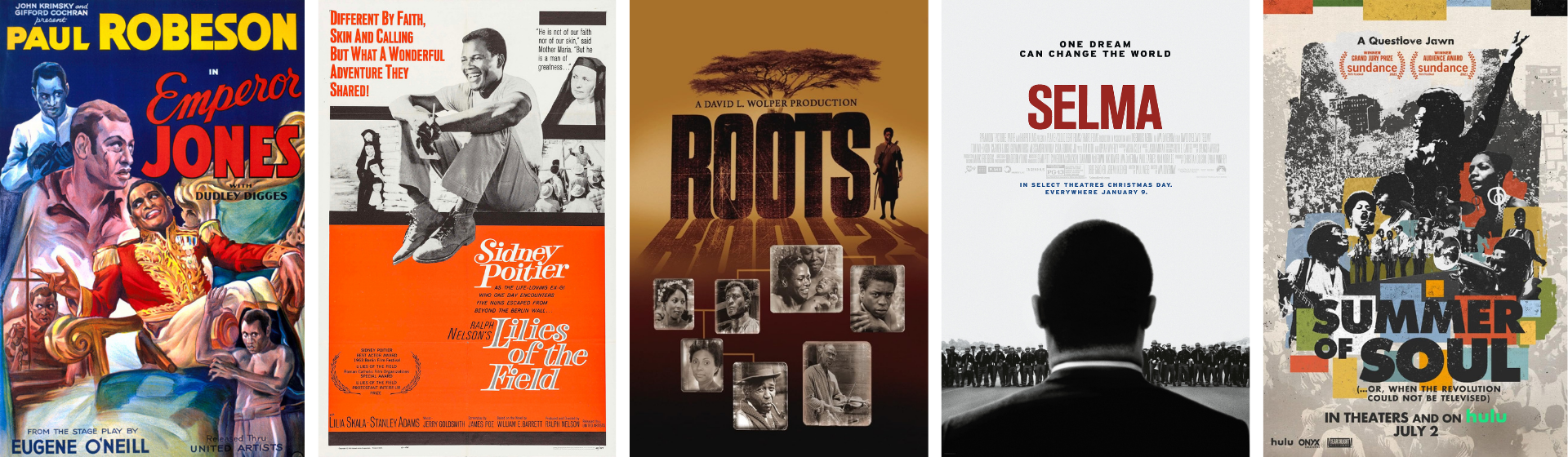
Since its founding in 1926 by Carter G. Woodson, what we now recognize as Black History Month has served as both a corrective and a call to remembrance, an effort to document, preserve, and interpret Black history in a nation that too often ignored or distorted it. This year’s theme, A Century of Black History Commemorations, invites reflection not only on historical events, but also on how those histories have been recorded, revisited, and reinterpreted over time.
Film has played a crucial role in this process. From early studio productions and independent works created under restrictive conditions, to later documentaries and contemporary reinterpretations, cinema has shaped public memory, challenged dominant narratives, and expanded access to Black history. It is important to note that some of the titles featured here are products of their time and may include portrayals, language, or assumptions that do not reflect contemporary values or sensitivities. Engaging with these works critically allows us to better understand both the histories they depict and the eras in which they were made.
Together, these films trace a century-long arc of commemoration, from foundational representation to modern reflection.
Foundations and Early Black Cinema, 1920s to 1940s
Recording Black history at a time when mainstream narratives excluded it.
The Emperor Jones (1933)
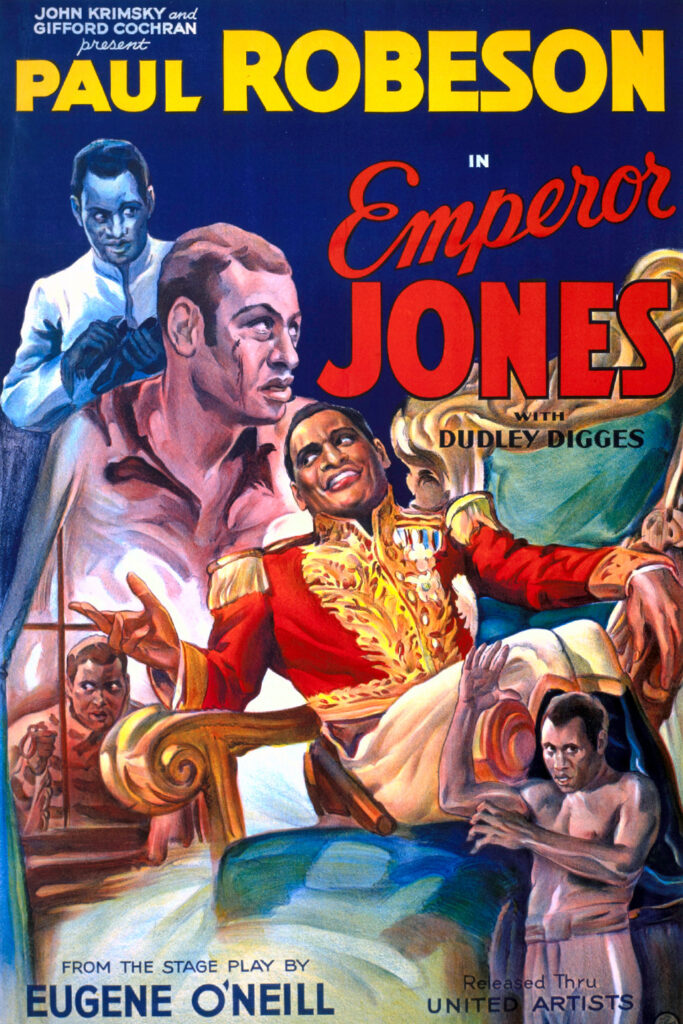
One of the earliest Hollywood films centered on a Black lead character, this adaptation of Eugene O’Neill’s play explores themes of power, identity, and colonialism. While shaped by its era, the film remains significant for placing a Black protagonist at the center of a psychological and political narrative during a period of extreme racial exclusion in American cinema.
Cabin in the Sky (1943)
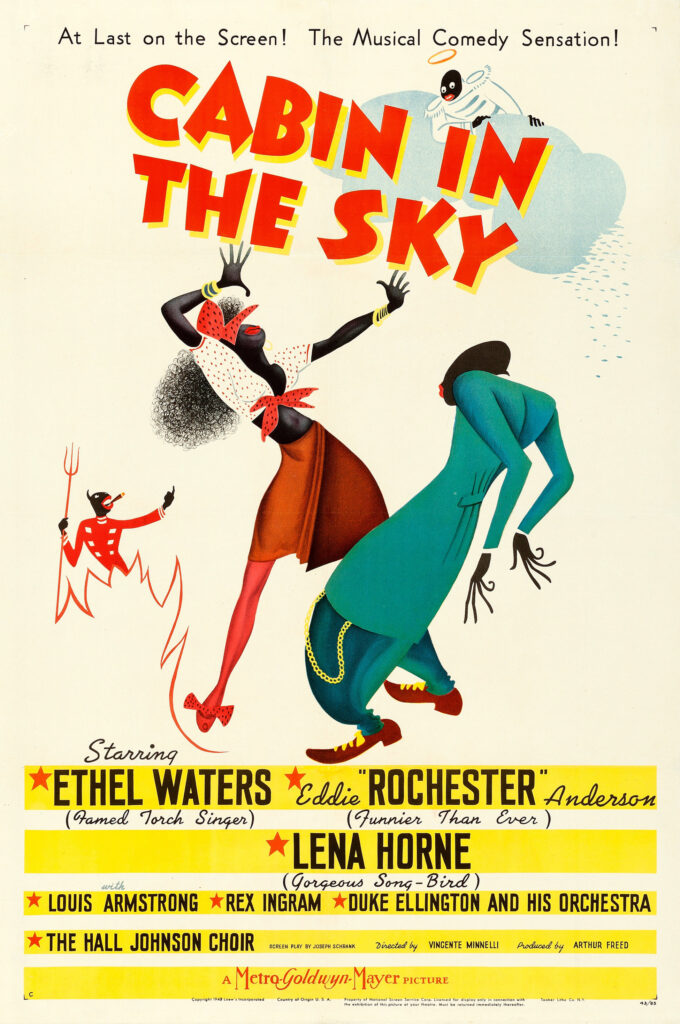
Featuring an all-Black cast at a time when such productions were rare, this musical reflects both cultural pride and the constraints of Hollywood stereotypes. Its importance lies in the visibility it provided to Black performers and traditions, even as it reveals the limitations imposed by the studio system.
Representation, Performance, and Visibility, 1950s to 1960s
Artists pushing against industry boundaries while gaining broader recognition.
The Cry of Jazz (1959)
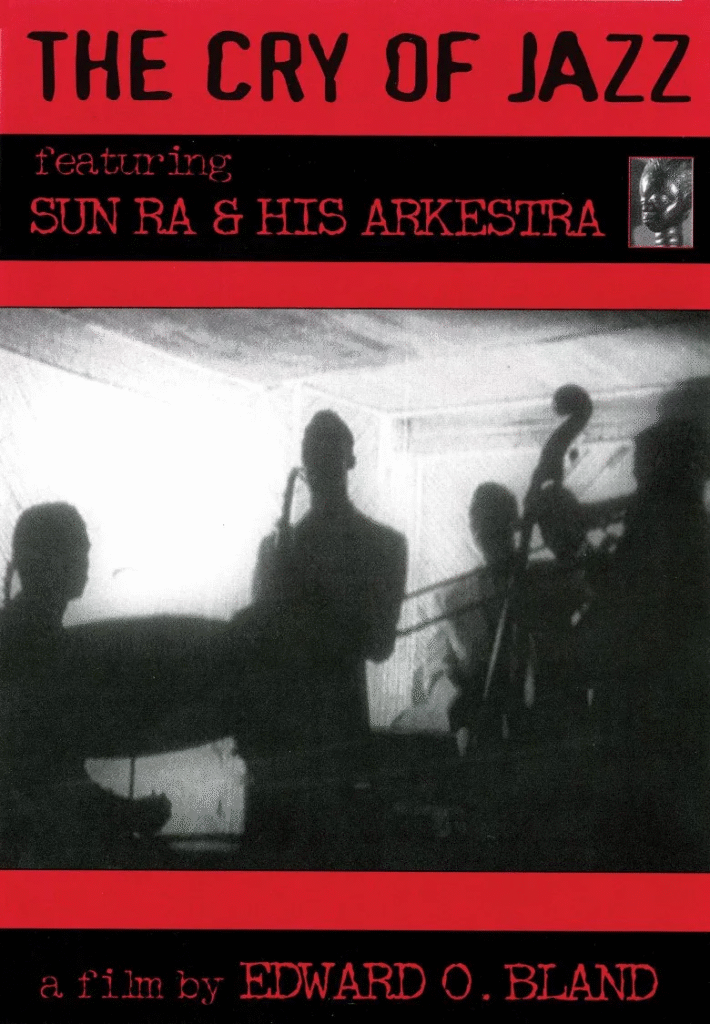
A hybrid documentary and experimental work that directly links jazz to Black history, identity, and political struggle. The film stands out for its unapologetic intellectual framing of Black culture as both artistic expression and social critique.
Lilies of the Field (1963)
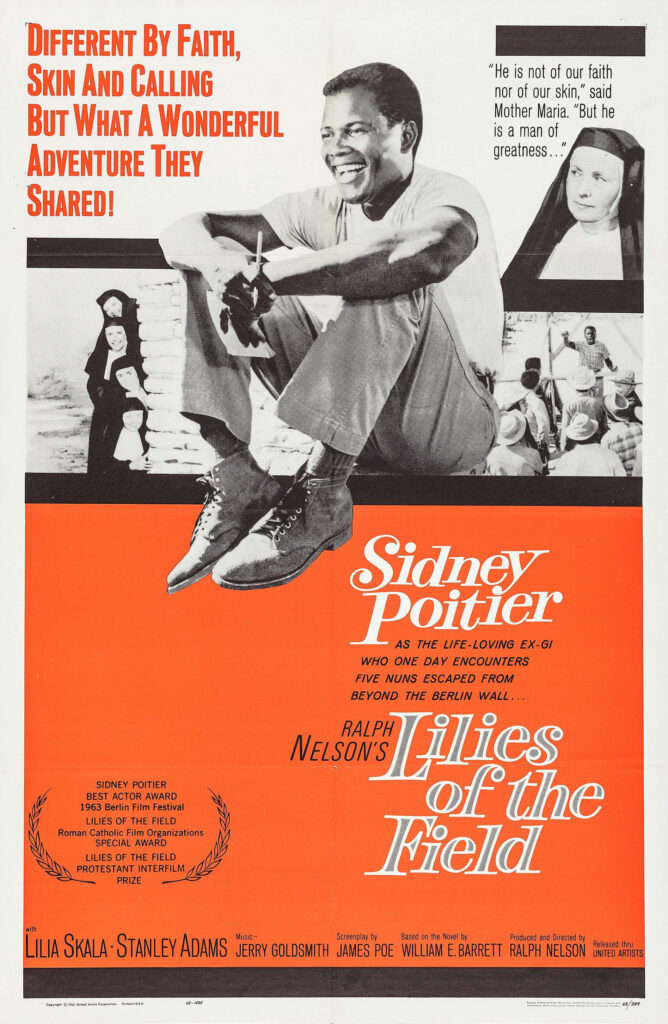
Widely celebrated for its themes of cooperation, faith, and dignity, this film marked a milestone in mainstream recognition of Black performers. Its success helped broaden public perceptions, even as it reflects the cautious optimism of its era.
The Learning Tree (1969)
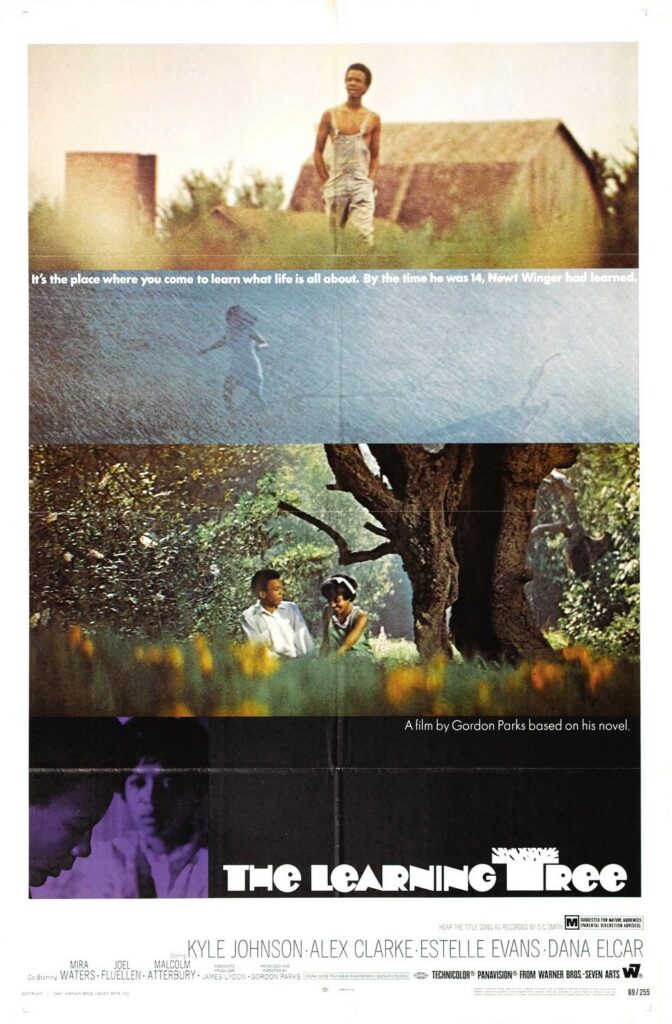
Directed by Gordon Parks, this coming-of-age story captures everyday Black life in the years leading up to the height of the Civil Rights Movement. Its significance lies in its quiet focus on community, adolescence, and systemic inequality rather than spectacle.
Civil Rights Era and Collective Memory, 1960s to 1980s
Documenting activism, resistance, and the formation of national memory.
Roots (1977)
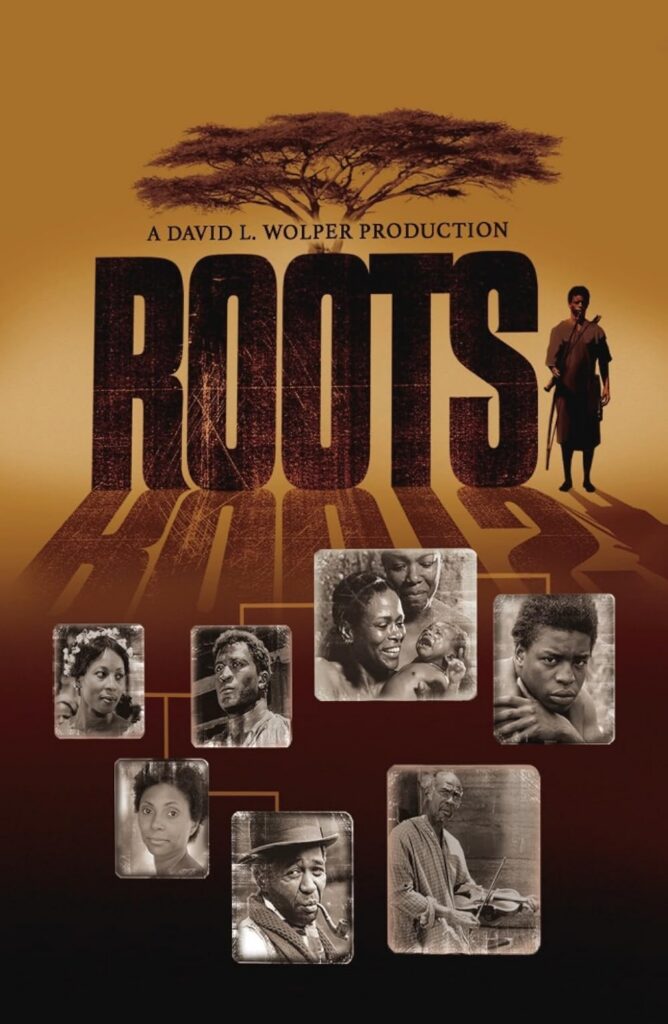
A cultural watershed that reshaped how millions of Americans understood slavery and ancestry. Its broadcast marked a turning point in public engagement with Black history as a shared national story rather than a marginal one.
Attica (1980)
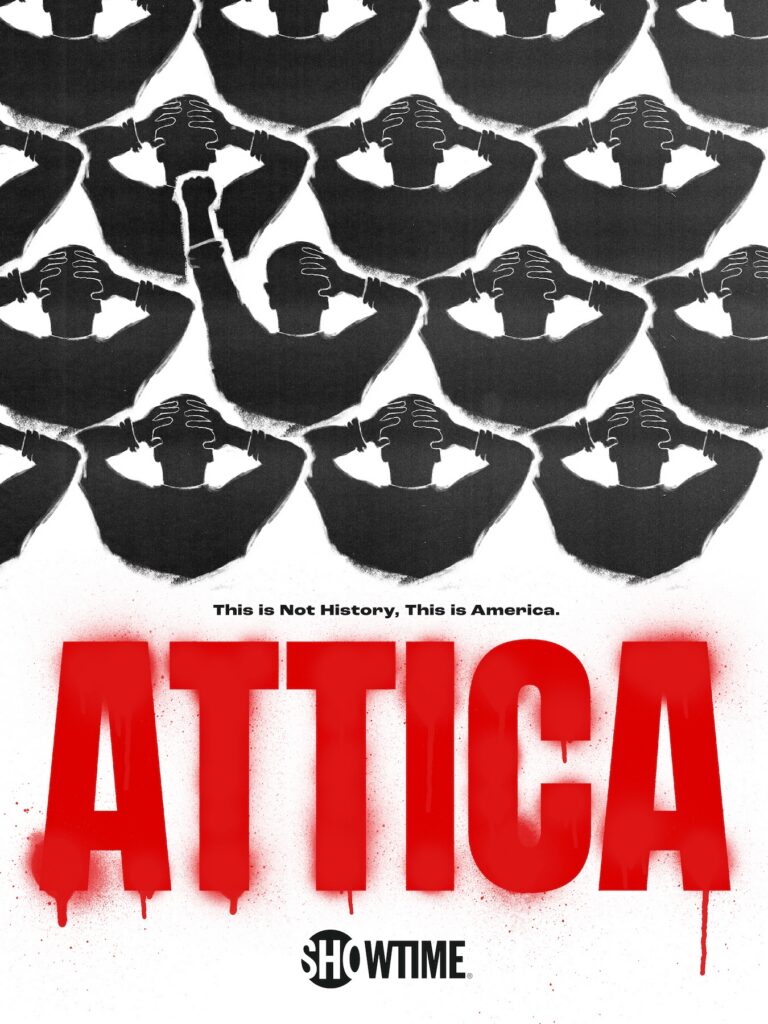
Through firsthand footage and interviews, this documentary exposes systemic brutality and racial injustice within the prison system. It stands as a stark example of film functioning as historical evidence and moral reckoning.
Eyes on the Prize: Awakenings (1987)
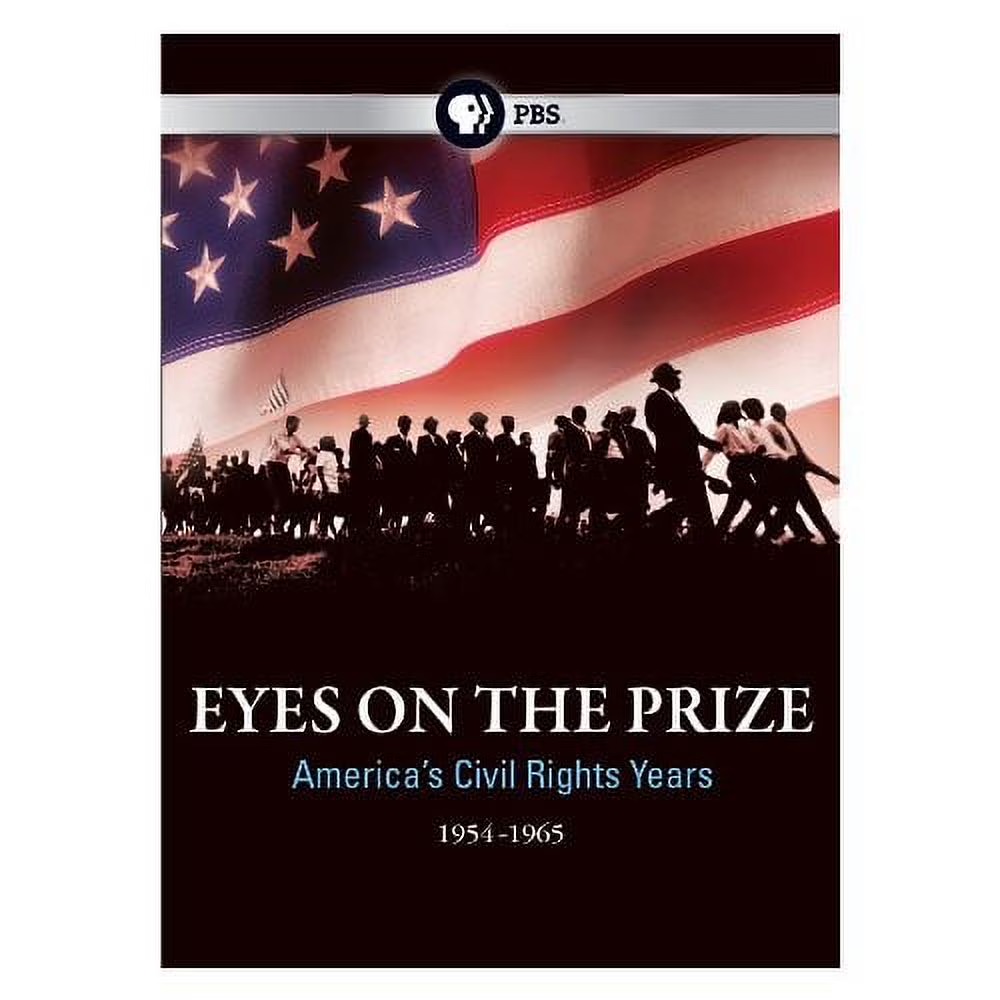
One of the most influential documentary projects on the Civil Rights Movement, this series helped establish a comprehensive public record of activism, leadership, and grassroots organizing that continues to shape historical understanding.
Reclaiming History and Black Power Narratives, 1980s to 2000s
Revisiting the past with urgency, critique, and reclaimed perspective.
Glory (1989)
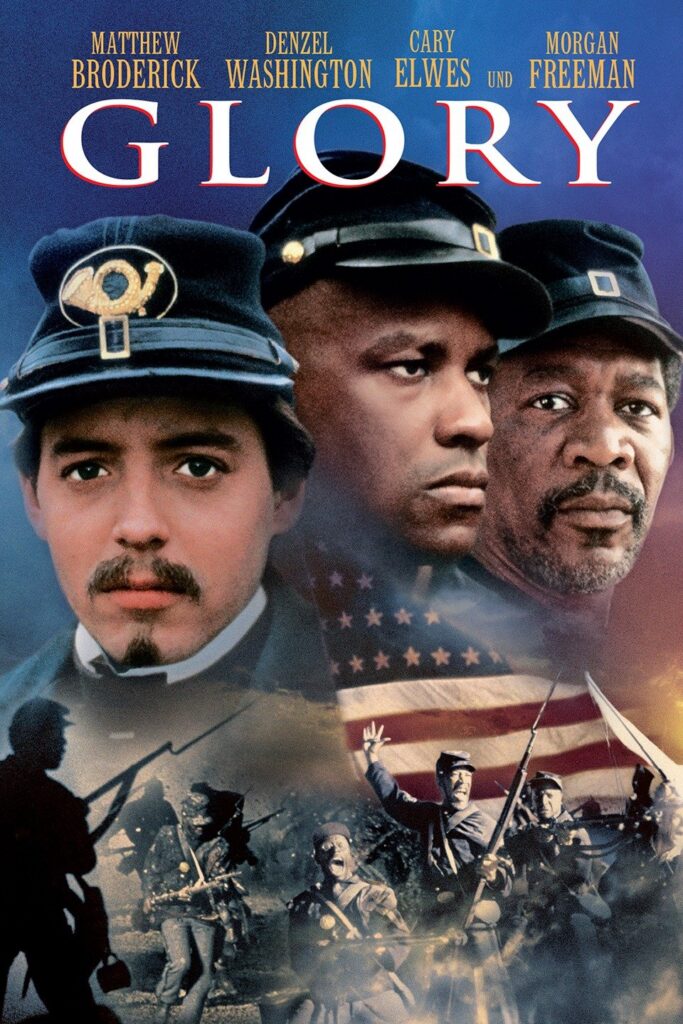
By centering Black Union soldiers within Civil War history, this film challenged long-standing omissions in mainstream historical memory and reframed narratives of patriotism and sacrifice.
4 Little Girls (1997)
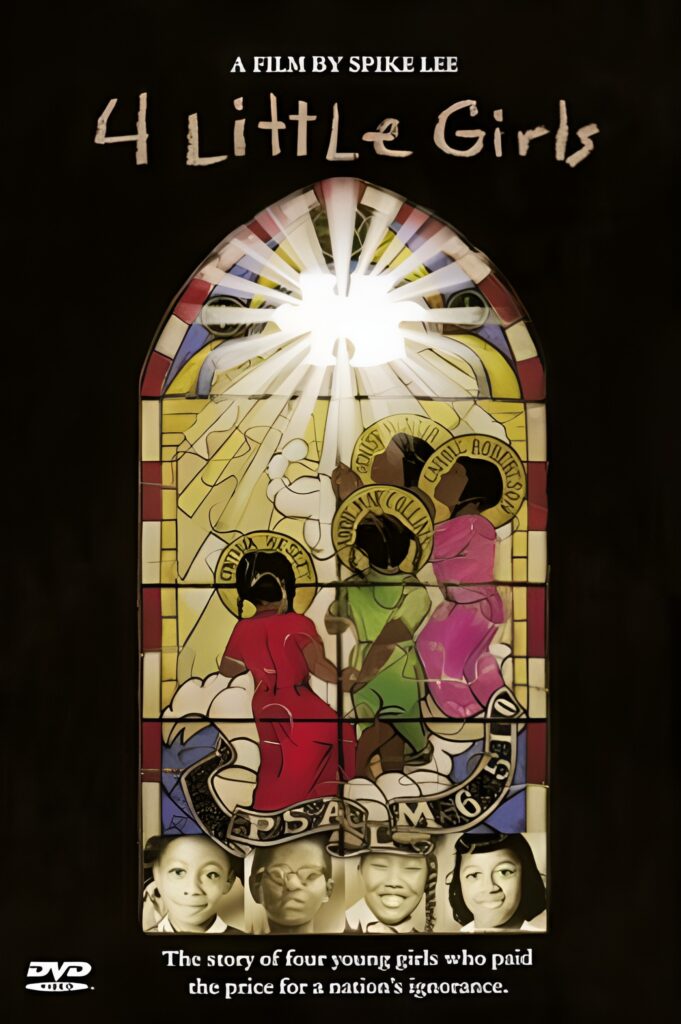
Focusing on remembrance and loss, this documentary treats collective grief as historical testimony, emphasizing the human cost of racial violence and the importance of memory as resistance.
Soundtrack for a Revolution (2009)

Explores how music functioned as a living archive of protest during the Civil Rights Movement, demonstrating how cultural expression preserved history when formal records often failed to do so.
Modern Reflection, Re-Examination, and Legacy, 2010s to 2020s
How Black history is revisited, reframed, and actively commemorated today.
Slavery by Another Name (2012)
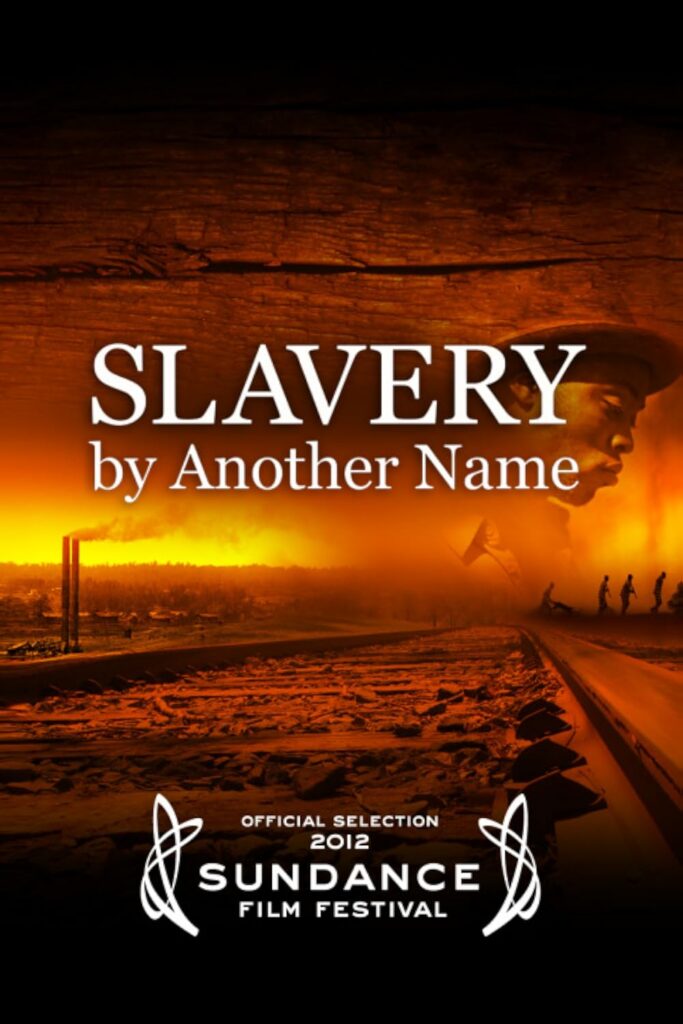
Reveals how systems of forced labor persisted long after the abolition of slavery, challenging simplified historical narratives and expanding public understanding of structural injustice.
The Central Park Five (2012)
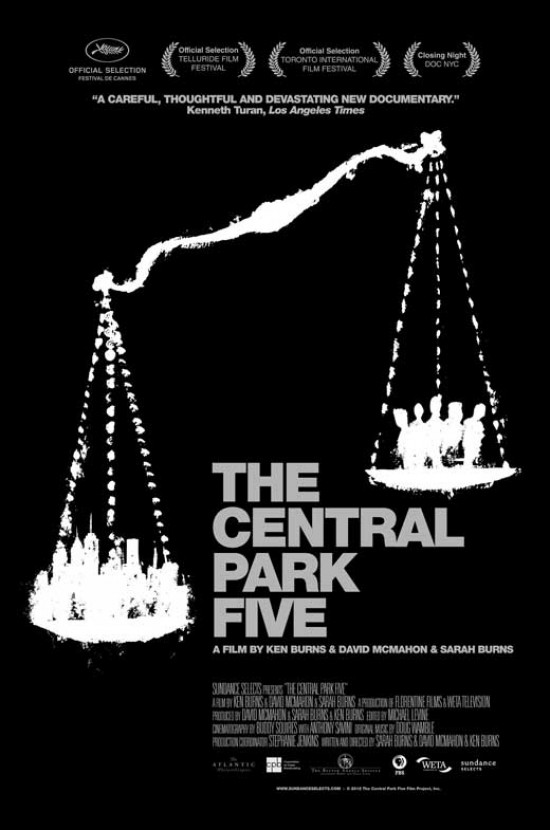
Revisits a highly publicized miscarriage of justice, illustrating how media narratives shape memory and how truth emerges over time through sustained re-examination.
Selma (2014)
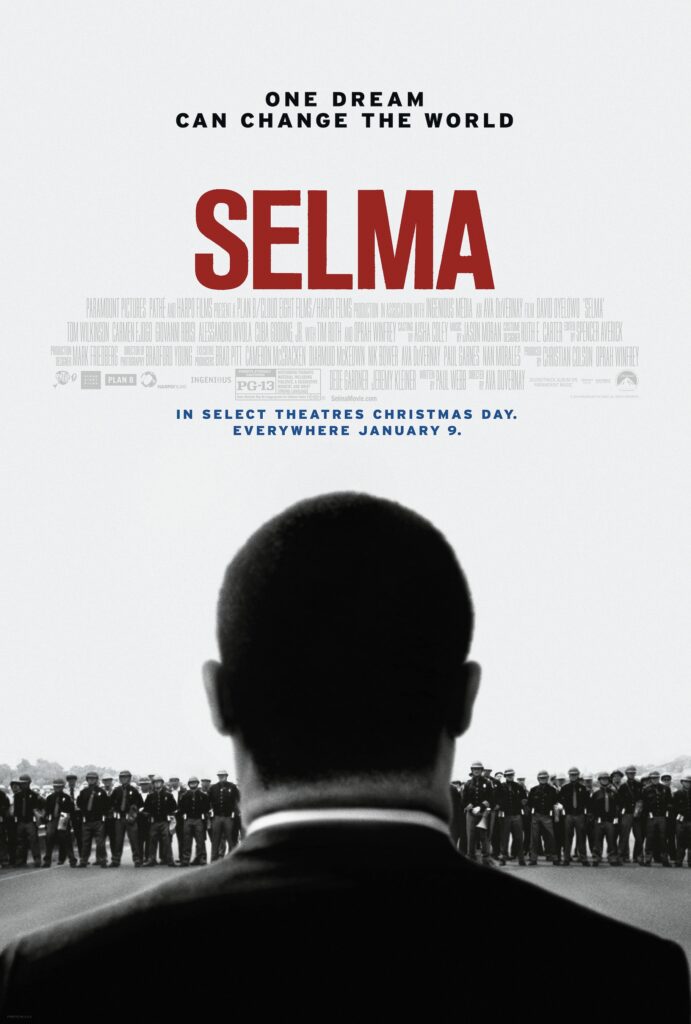
Re-centers lived experience within a well-known historical moment, emphasizing the emotional, physical, and communal realities of activism beyond iconic imagery.
The Black Panthers: Vanguard of the Revolution (2015)
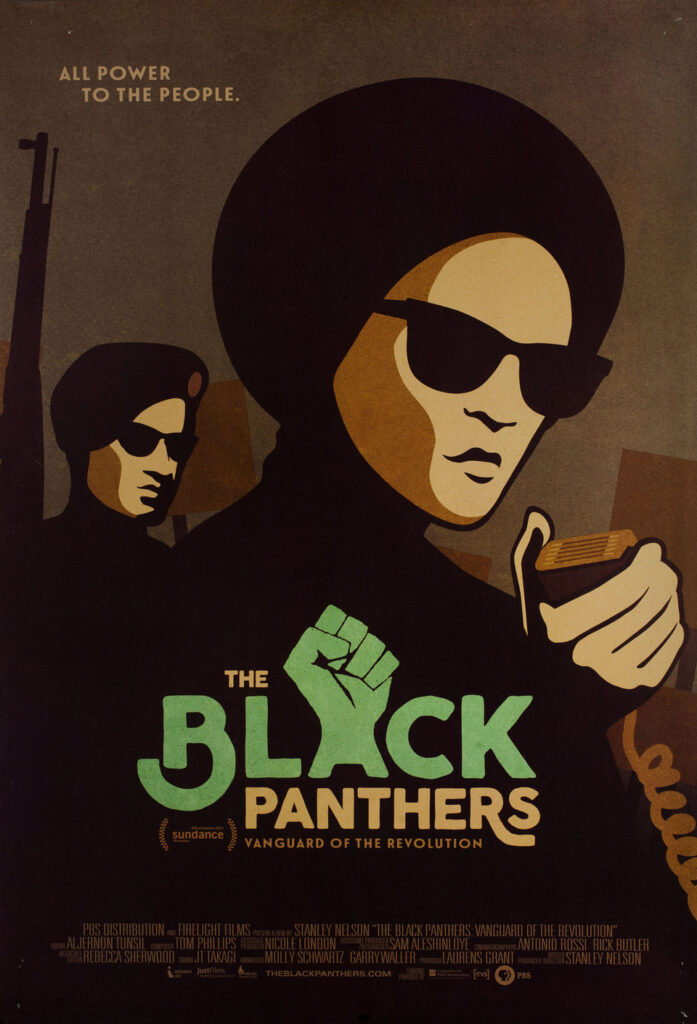
Challenges long-standing misconceptions about the Black Panther Party, reframing its legacy through historical context, community programs, and political strategy.
I Am Not Your Negro (2016)
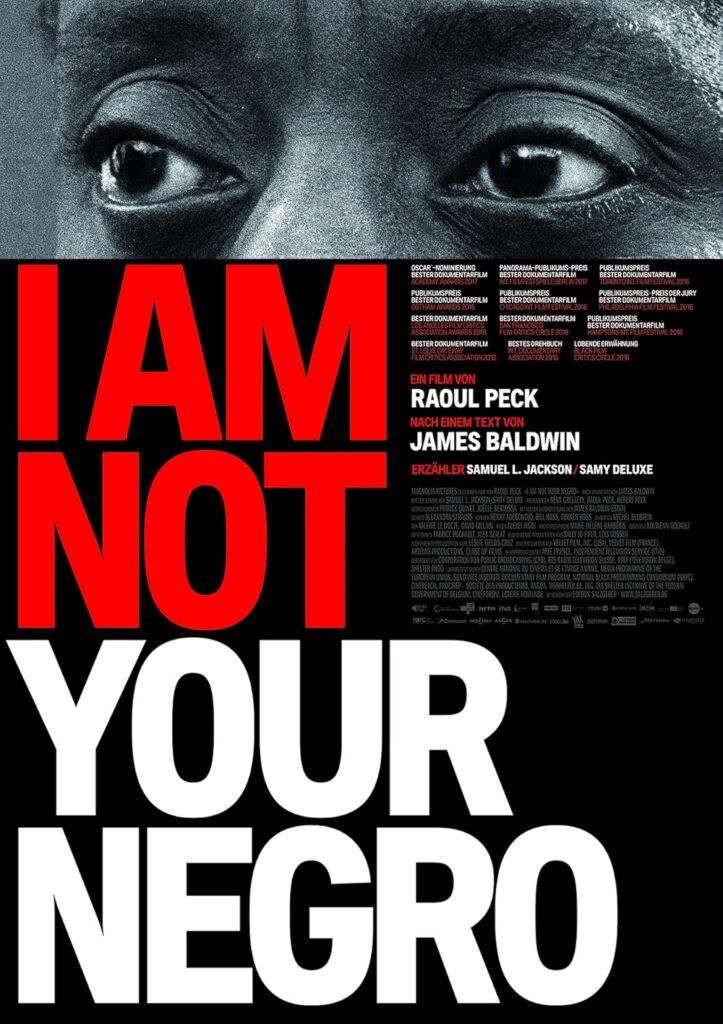
Uses James Baldwin’s unfinished reflections to examine race in America through memory, language, and moral urgency, connecting past struggles to contemporary realities.
Summer of Soul (…Or, When the Revolution Could Not Be Televised) (2021)
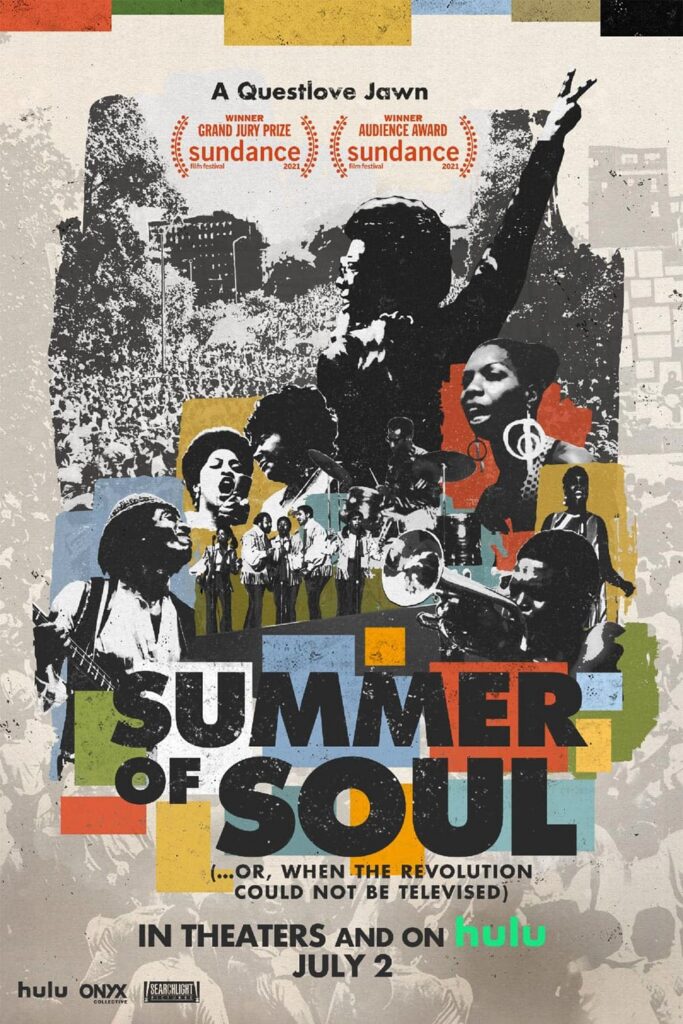
Recovers the long-forgotten 1969 Harlem Cultural Festival, underscoring how historical memory is shaped as much by what is preserved as by what is overlooked.
Taken together, these films illustrate that Black history is not static. It is continuously recorded, challenged, revised, and commemorated. From early cinematic efforts that carved out space under restrictive conditions, to modern works that interrogate memory itself, these titles reflect a century-long struggle over who gets to tell history and how it is remembered. Engaging with them during Black History Month offers not only an opportunity to learn about the past, but also to reflect on the ongoing work of preservation, interpretation, and justice that defines historical commemoration today.
by Suzanne Milano, Media Services Coordinator