
Rooted in History, Growing in Knowledge
Our mission: The High Point University Department of History’s Medieval and Early Modern Physic Greenhouse aims to connect the campus and Triad communities with the history of medicinal plants. By bridging research on Medieval and Early Modern medical texts with practical experience with medicinal plants, this project provides an inspiring environment in which the past and present converge. Through this experiential learning public history space visitors will connect with the past to better understand the roots of modern medical knowledge.
Medical History Overview
As in any historical period, the people of the Medieval and Early Modern Era, roughly 500 CE to 1700 CE, sought ways to care for their sick and hurting effectively. Using ancient scholars and philosophers such as Hippocrates, Galen, and Aristotle, medical minds, often monks, created medical treatises entailing herbal remedies for various health-related conditions, including respiratory sickness, intestinal problems, fevers, headaches, infertility, and poisoning. Medieval and Early Modern physicians used Galen and Hippocrates’ theory that the human body was composed of four humors that needed to be balanced for perfect health: blood, phlegm, yellow bile, and black bile. This is connected with the prevailing understanding of natural philosophy, or science, known as metaphysics.
Developed first by Aristotle in ancient Greece, Medieval theologians, and scientists, such as Thomas Aquinas, reaffirmed this idea. Metaphysics asserts all objects are composed of form and matter. Form is the physical aspect of the thing while matter is the essence that makes the object unique. In medicine, the physical body- from limbs to blood to organs- was the form, while the human soul was the matter. Plants held these as well. Thus, physicians had to figure out what was wrong with the human form and counter the imbalances with plants of opposing forms.
As Europeans began to explore in the Early Modern Era, physicians were exposed to new plants from the Americas and Africa. Learning about these plants and their medical uses from Indigenous and African peoples, these new plants were added to the medical knowledge corpus. Many of the species were taken to Europe and cultivated in the already established medieval monastic physic gardens and greenhouses (especially those from tropical climates which differed greatly from European climates). This greenhouse includes some of these important plants and treatments.
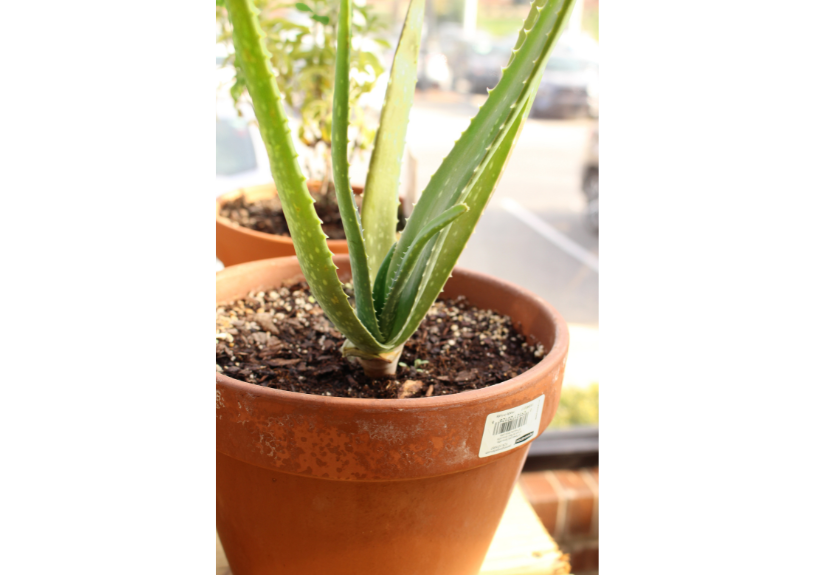
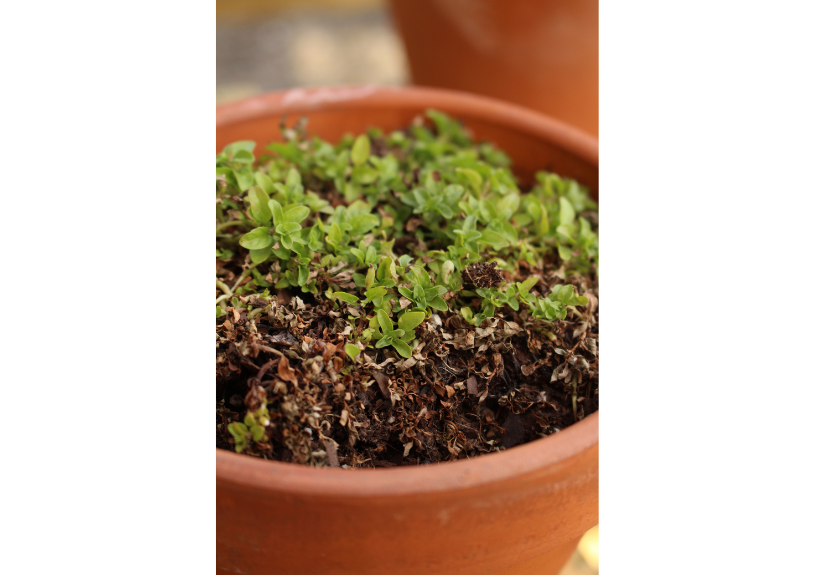
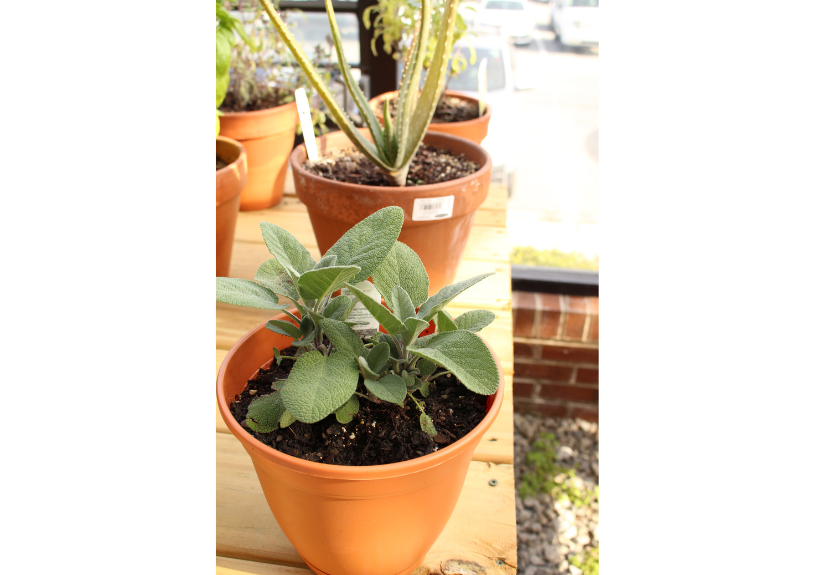
To visit schedule a tour of the greenhouse, contact the High Point University’s gardens team or Dr. Allen at [email protected]
For more information: Connect with High Point Museum
This project was supported by:
North Carolina Humanities Community Engagement Grant
High Point University Department of History
Mariana H. Qubein Arboretum and Botanical Gardens
High Point University Campus Enhancement
High Point Museum


Special Thanks to:
Dr. Nido Qubein
Ken Elston
Dr. Jeff Adams
Dr. Daniel Erb
Dr. Angela Bauer
Dr. Amanda Allen
Dr. Shannon Lalor
Sara Blanchett
Panda Powell
Amanda Elbert
Rachel Diaz
Emma Martone
Dr. Jason Lattier
A.B. Seeds
Strictly Medicinal