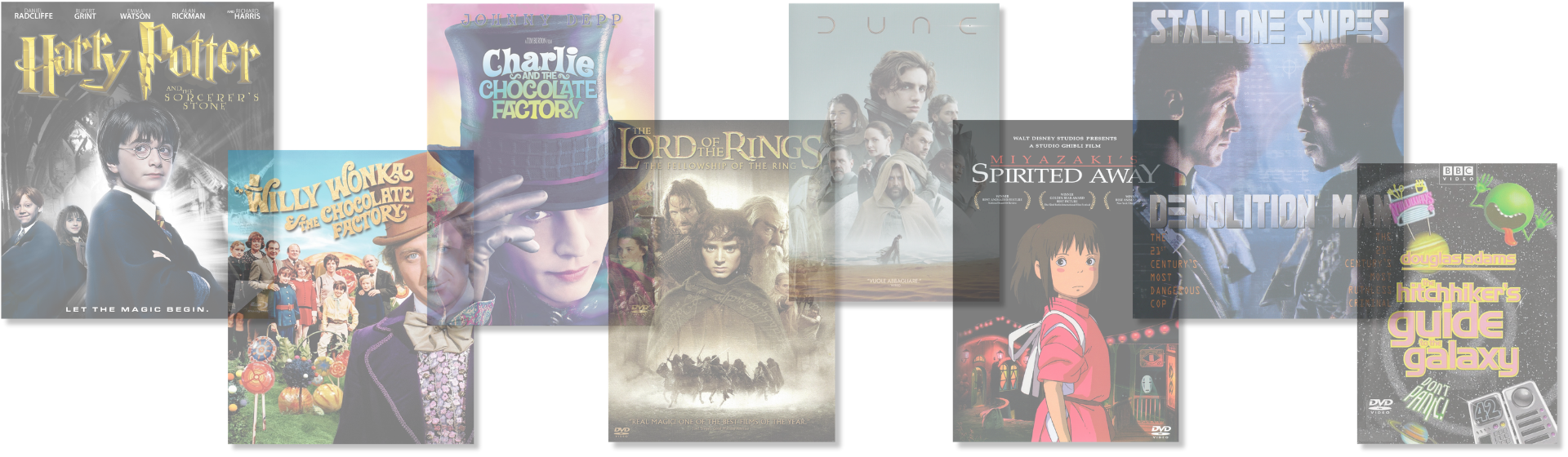
From Second Breakfast to Spice Coffee: Iconic Food and Restaurants in Science Fiction and Fantasy
Science fiction and fantasy films are often praised for worldbuilding, but one of the surest ways those worlds stay with us is through food. Think of the unforgettable things audiences remember from the screen: blue milk, Slurm, raktajino, spice coffee, Taco Bell after the Franchise Wars, and the Pan Galactic Gargle Blaster. Imaginary meals, drinks, and dining spaces can become just as memorable as ships, spells, or planets, helping cinematic worlds feel vivid, tangible, and strangely familiar.
Part of the appeal is that food makes the fantastic feel immediate. A starship can be impressive, and a dragon can be awe-inspiring, but a meal invites us in. We may never wield a wand or survive Arrakis, but we understand craving, comfort, ritual, excess, and celebration. Fictional food gives us a way to imagine not just what these worlds look like, but what they taste like.
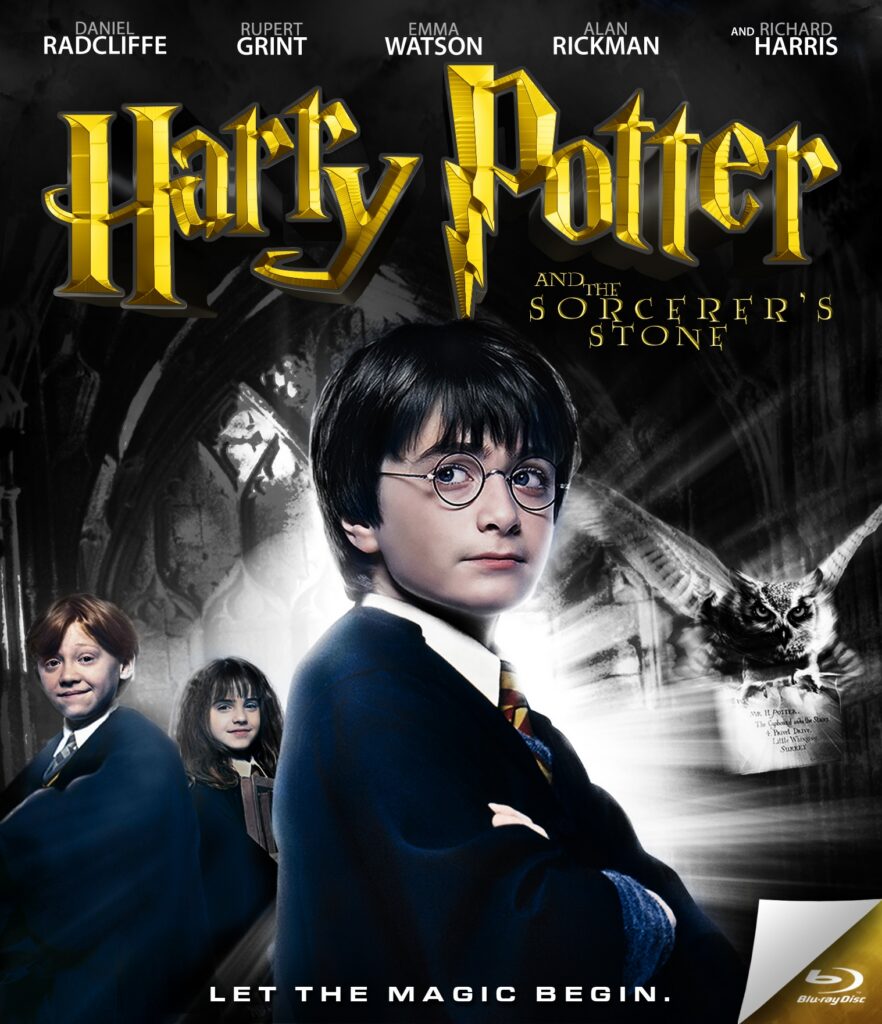
At Hogwarts, food is inseparable from wonder. Harry Potter and the Sorcerer’s Stone gives us one of fantasy’s great feast scenes, a table groaning under the kind of meal that signals to Harry, and to the audience, that he has crossed into another life entirely. And then there are the sweets, especially Chocolate Frogs, which remain one of the most recognizable treats in the franchise. They are whimsical, collectible, and just strange enough to feel magical, which is exactly why they endure.
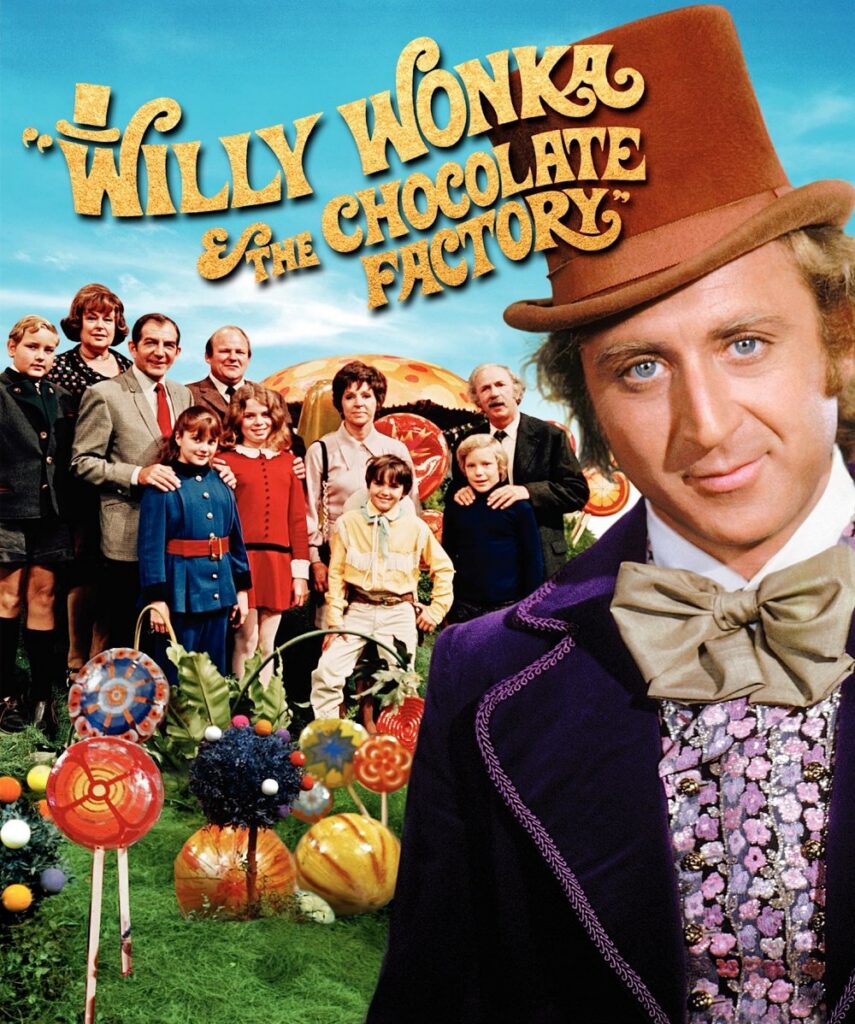
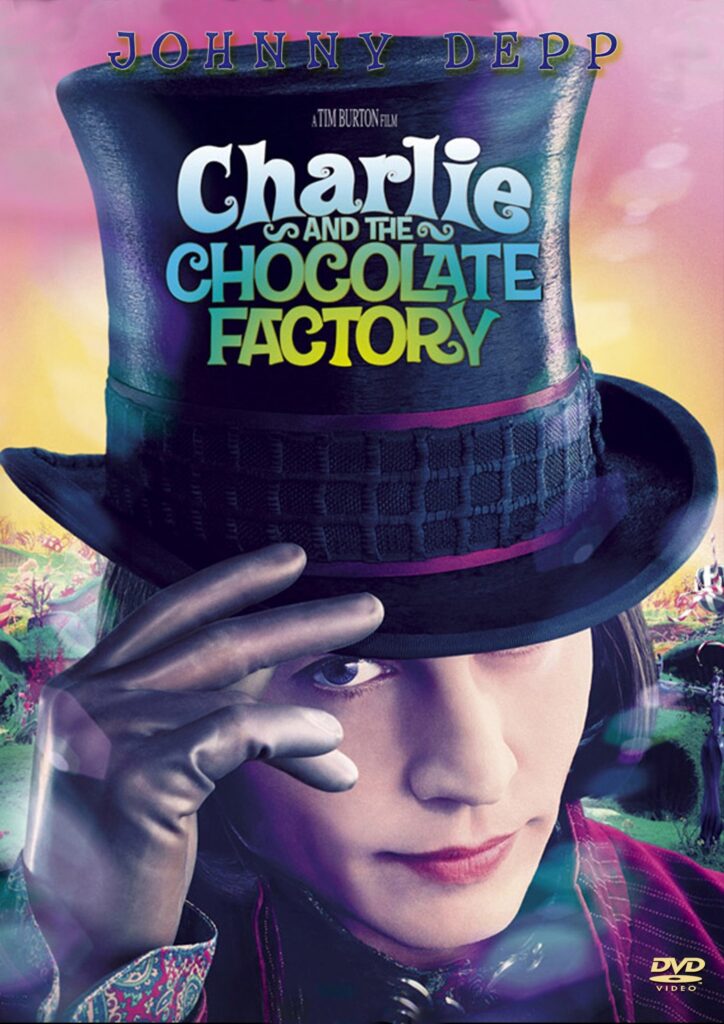
If Hogwarts offers comfort and abundance, Willy Wonka’s factory offers confectionery delirium. Between golden tickets, chocolate bars, fizzy lifting drinks, and the famous chocolate river, Willy Wonka & the Chocolate Factory and Charlie and the Chocolate Factory turn candy into architecture, spectacle, and temptation all at once. Few fantasy settings are as immediately edible. Wonka’s world is not just full of sweets, it is built out of desire, curiosity, greed, and delight, which is probably why it has stayed lodged in popular imagination for generations.
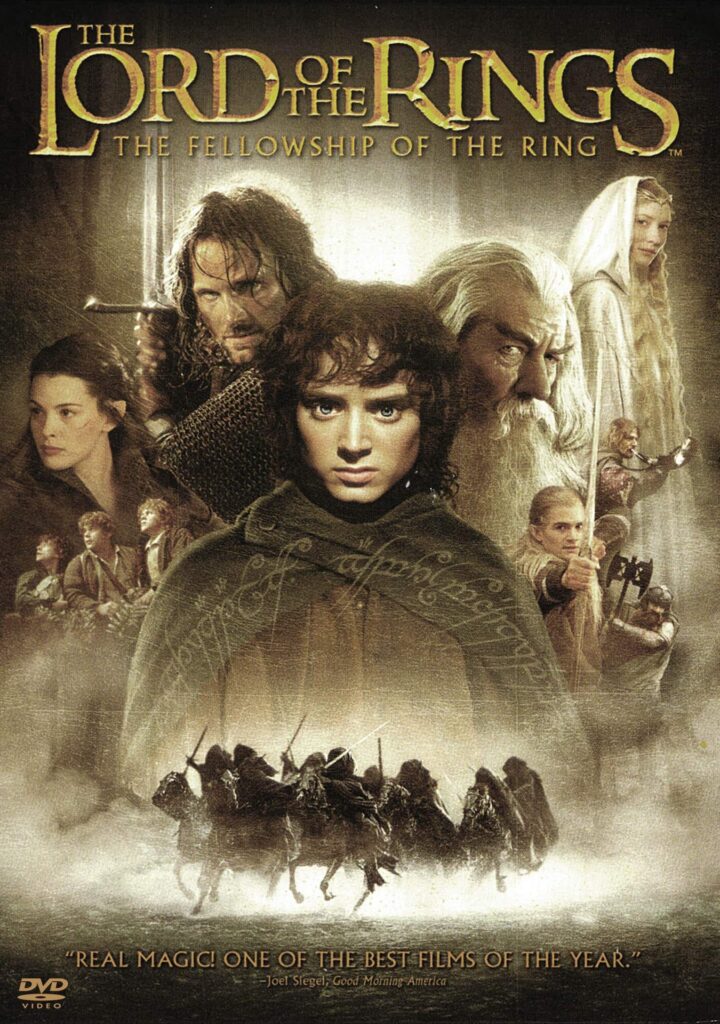
Middle-earth gives us a different kind of culinary fantasy. Here the icons are not excess but ritual and sustenance: second breakfast, elevenses, and the quietly heroic practicality of lembas bread. Hobbits have become shorthand for the pleasures of eating well and often, while lembas represents the opposite, a food so concentrated and purposeful that it feels almost sacred. The Lord of the Rings: The Fellowship of the Ring reminds us that food in fantasy is often about fellowship itself, about who shares the table, who travels with provisions, and what comforts people carry into danger.
Then there is Dune, where food becomes politics, ecology, and power. Fans in sci-fi discussions still bring up spice coffee, but behind that small point of fascination is one of the genre’s most important imagined substances: melange, the spice that shapes the economy and destiny of the universe. In Dune, flavor is never just flavor. It is tied to scarcity, environment, empire, and survival. Even casual references to spice-laced food or drink carry the weight of an entire planetary system.

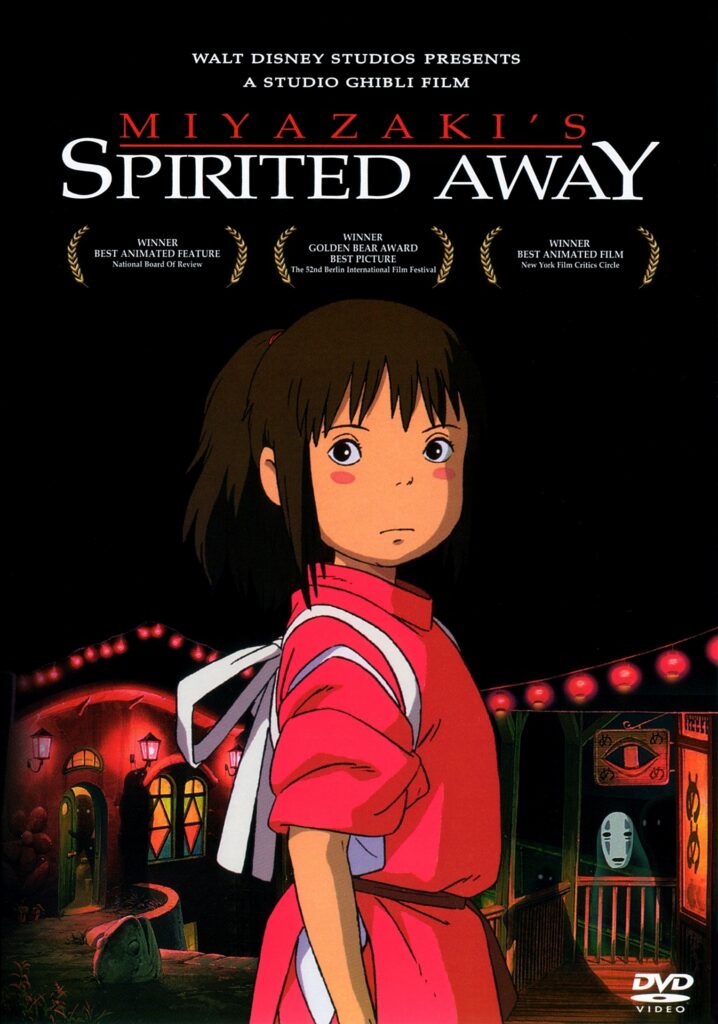
Spirited Away may be one of the most food-conscious fantasy films ever made. Its early feast scene is lush and enticing, but also dangerous, a vision of appetite without restraint. Later, the film balances that excess with moments of simple nourishment, especially Chihiro’s quiet, emotional encounter with onigiri. In other words, the movie understands both sides of food in fantasy: food as seduction, and food as care. It is hard to think of another film where a meal can feel this beautiful, this unsettling, and this humane.
Science fiction also loves the idea that the restaurant itself can become worldbuilding. Demolition Man gave us one of the funniest and most persistent satirical restaurant concepts in the genre, a future in which Taco Bell has won the Franchise Wars and become fine dining. It is a joke, of course, but it is also a perfect bit of speculative exaggeration, using food culture to lampoon consumer capitalism, branding, and the tendency of the future to arrive in absurd packaging.

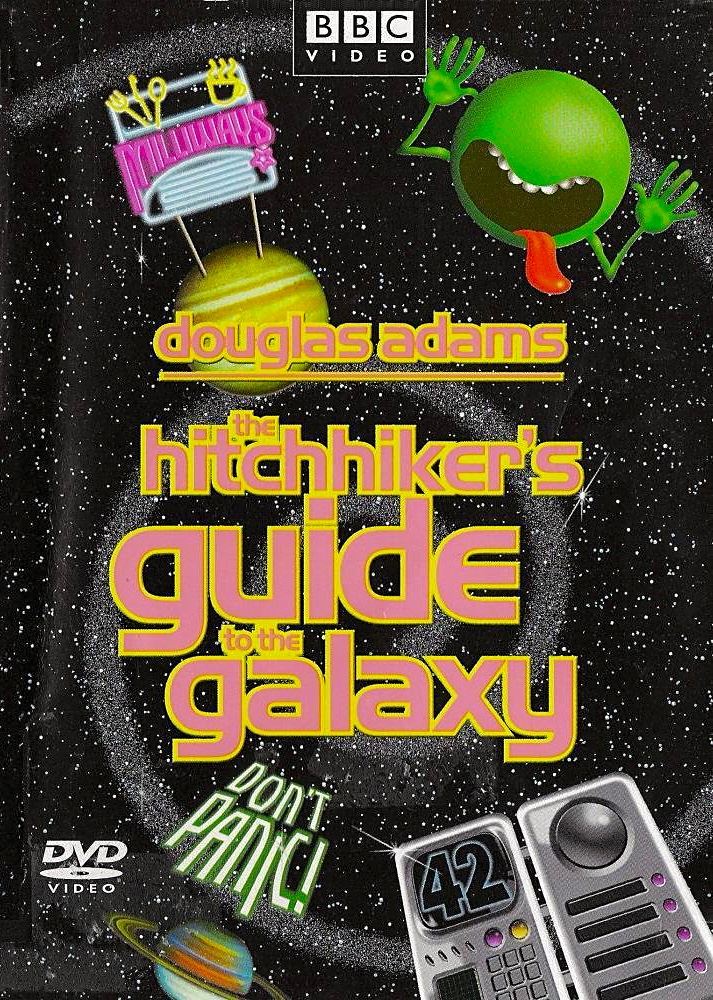
And then there is Douglas Adams, who managed to make both a drink and a restaurant iconic. The Hitchhiker’s Guide to the Galaxy universe gave readers the Pan Galactic Gargle Blaster and, even more memorably, Milliways, the Restaurant at the End of the Universe. That combination captures something essential about science fiction and fantasy food: sometimes the appeal is not realism at all, but scale, wit, and sheer conceptual audacity. A memorable fictional meal does not just feed a character. It enlarges the world.
One of the pleasures of a library collection is that these imagined meals and restaurants are not limited to memory. They can become a themed movie night, a display, a book-to-film pairing, or simply a new way into familiar titles. Search the catalog for works like Harry Potter and the Sorcerer’s Stone, Willy Wonka & the Chocolate Factory, Charlie and the Chocolate Factory, The Lord of the Rings: The Fellowship of the Ring, Spirited Away, Dune, and Demolition Man, and you will quickly discover that speculative fiction is often as hungry as it is imaginative.
Blog post written by Gerald Ward, Assistant Director