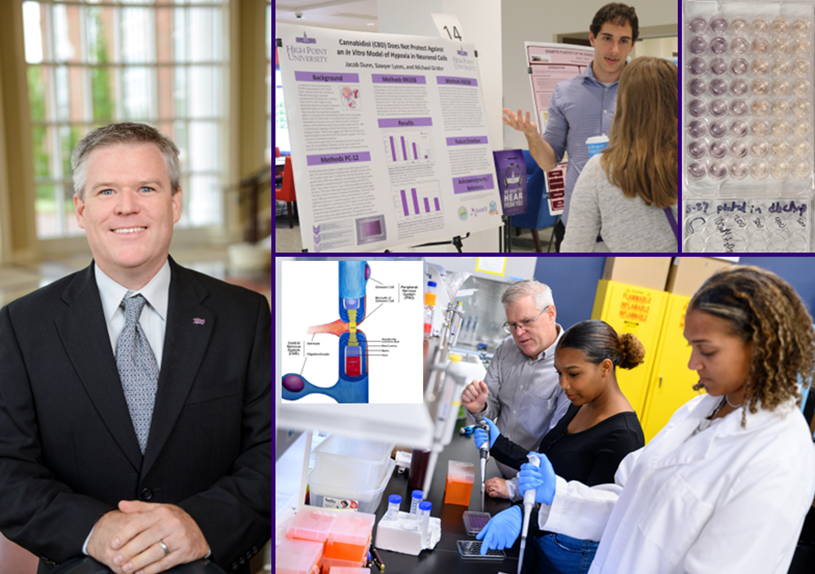
 Dr. Michael Grider – The Grider laboratory focuses on the cellular and molecular mechanisms underlying injury and repair within the nervous system. Our research employs multiple model systems, including cell lines, primary neuronal cell cultures, and rodent models. Through cell culture methods, student collaborators have explored the protective effects of various molecules, such as argon gas, cannabis-derived compounds, pharmaceutical inhibitors of key signaling pathways, and active ingredients found in health supplements. Our lab also utilizes specialized culture chambers that simulate stroke conditions by depriving cells of oxygen and energy.
In rodent injury models, our research interests include investigating the signaling mechanisms of neuronal survival following stroke, studying axonal growth and regeneration after central nervous system (CNS) injury, and examining the molecular cues that regulate remyelination following injury. Recently, we have applied next-generation sequencing to investigate gene expression profiles during development. One collaborative project involves using human stem cells (iPSCs) to compare normal development with that of cells lacking a key ion channel associated with autism symptoms, while another project explores gene expression following exposure to cannabinoids. Students in my lab have presented their work at regional, national, and international scientific conferences.
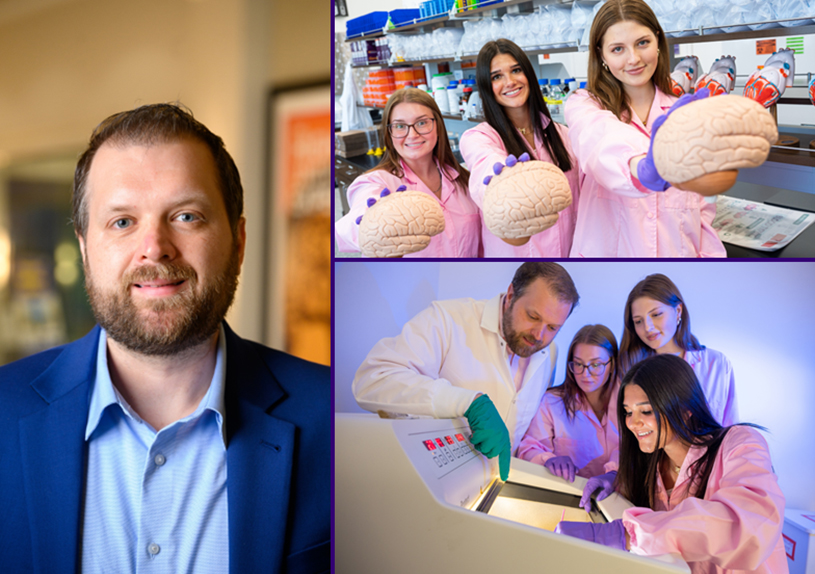 Dr. Bill Kochen – The Kochen Lab is dedicated to understanding environmental influences on concussions and dementia, primarily using rodent models. Our research focuses on how factors such as dehydration, diet, stress, and bio-metals affect the presentation and treatment of these conditions. Recently, we have expanded our research to include the study of Heart-Rate Variability in human participants. This line of work examines how sympathetic nervous system activation is influenced by stress, diet, music, and other factors.
Undergraduate researchers play a vital role in both research streams, participating in every aspect of the experiments. Students working in the lab present the research at national and international conferences. Experienced undergraduate researchers develop their own independent research within the lab which is then published in academic journals.
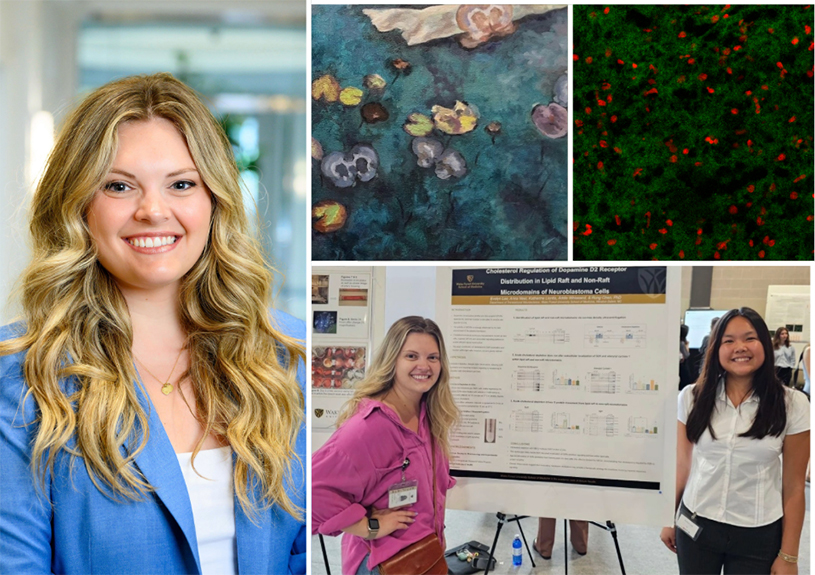
Dr. Izzy Neel– The Neel Lab investigates how high-fat foods and addictive drugs change the brain and influence motivation, reward, and behavior. Our research focuses on dopamine, as well as brain lipids involved in regulating dopamine transmission. Using rodent models, neuronal cell lines, and isolated nerve-terminal preparations, we examine how high-fat diets, binge eating, obesity, and addictive drugs alter brain lipid metabolism and dopamine signaling within the brain’s reward circuitry. We are particularly interested in cholesterol, ceramides, and other lipids that may link diet and drug exposure to lasting changes in dopamine transporters, receptors, and behavior. We also investigate whether treatments such as GLP-1 receptor agonists could help reverse these changes.
Undergraduate researchers are active collaborators throughout the research process. Students gain hands-on experience with behavioral testing, brain dissection, cell culture, biochemical assays, fluorescence imaging, pharmacology, and lipidomic analysis. As they progress in the lab, students may develop independent projects, present their findings at scientific conferences, and contribute to peer-reviewed publications.