

Department Chair, Program Director, and Assistant Professor

Our focused 11-month curriculum provides a robust foundation in biological sciences, seamlessly integrated with practical laboratory techniques and invaluable clinical exposure. Beyond scientific knowledge, the Master of Science in Biomedical Sciences program is intentionally designed for professional school development and career readiness, equipping you with essential research methodologies, advanced critical thinking capabilities, and impactful communication skills highly sought after in the healthcare industry. Through dedicated career advising, workshops on professional development, and opportunities for research alongside faculty and with industry partners in the High Point region and beyond, you’ll build a competitive portfolio. Experience a supportive learning environment characterized by small classes, personalized mentorship from dedicated faculty, and access to state-of-the-art facilities, all designed to accelerate your learning and ensure you are exceptionally prepared for diverse and fulfilling careers in medicine, research, and other health-related fields. Let us know if you’d like to learn more!
Student Profiles

| Clinical Experience | Research Development (Basic Science) | Internship | ||
|---|---|---|---|---|
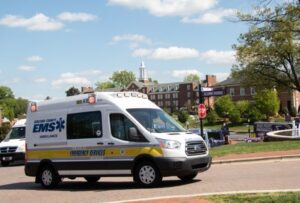
| (3) EMT Training and Certification | (3) Techniques in Biomedical Sciences | (3) Techniques in Biomedical Sciences | ||
| (2) EMT Clinicals | (2) Research Design in Biomedical Sciences | (2) Research Design in Biomedical Sciences OR Legal and Ethical Considerations in Healthcare | ||
| Clinical Experience Capstone* | Research Development Capstone* | Internship Capstone* | ||
| *Capstone is a 10-week research project at a clinical site, a basic science research bench with principal investigator, or an internship where students will collect meaningful data to present a poster or oral presentation at an internal symposium. | ||||
Accreditation:
The Southern Association of Colleges and Schools Commission on Colleges (SACSCOC) accredited Master of Science in Biomedical Sciences program, has been designed to benefit students who want to: 1.) demonstrate increased academic maturity, along with, strengthening clinical and/or research skills ahead of pursuing an advanced degree in healthcare (MD, PA, DDM, PT, AT, etc.) and/or 2.) advance in a career as a research scientist via a terminal or gateway degree program designed to foster skill development in areas such as methodology, critical thinking, scientific inquiry, collaborative teamwork, and the interpretation and evaluation of scientific literature.
Biomedical science provides a holistic vision of human science, underpinned by relevant basic sciences including anatomy and physiology, cell biology, biochemistry, microbiology, genetics and molecular biology, and statistics that are taught from an interdisciplinary viewpoint. Through our innovative curriculum, HPU students navigate an increasingly collaborative and integrated science environment to ultimately address the changing needs in scientific discovery, research, and patient-centered care.
The program starts in May and can be completed in 11 months (summer, fall, spring). Courses will be offered in a cohort model totaling 39 credits-34 credits in core courses and 5 credits of elective which are determined by tracks.
Core Courses-34 credits
| Summer Term | Fall Term | Spring Term |
|---|---|---|
| (5) Foundations in Integrated Medical Physiology + History and Physical Exam laboratory | (5) Applied Gross Anatomy+ cadaveric laboratory | (3) Analysis and Critic of Literature in the Biomedical Sciences |
| (5) Medicinal Biochemistry + laboratory | (4) Medicinal Pharmacology + journal club | (3) Capstone in Research Development, Clinical Training, or Internship |
| (3) Statistics for Evidence Based Practice in the Health Sciences | (5) Pathology + Histology laboratory | (0) Standardized Exam Preparation II |
| (1) Healthcare Practice and Professional Development | ||
| (0) Standardized Exam Preparation I | ||
| 13 credits | 15 credits | 6 credits |
*Courses and credit number are subject to change.
Program Objectives Course Descriptions








High Point University’s tuition and fees are determined on an annual basis. For a comprehensive breakdown of the cost of attendance for the academic year, including additional estimates for living expenses, please refer to this link.
Sign up for an information session or individual consultation with someone from the Graduate Admissions team to help you determine if this program will be a good fit with your career, family, and life goals.
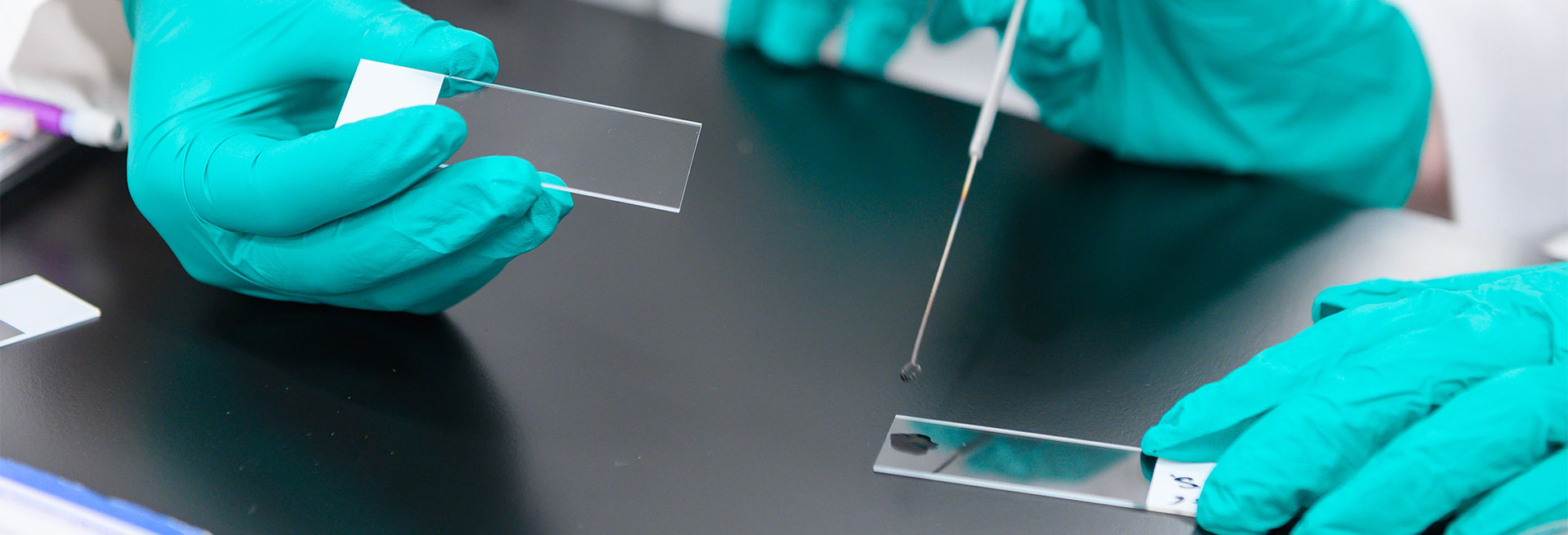
The field of biomedical science applies biology-based science to the healthcare industry. Biomedical science refers to a set of sciences ranging from the DNA-to-system level that are aimed at developing new therapies, treatments, and technologies that can help with the management of diseases, illnesses, and disabilities. With an emphasis on understanding the complexities of human health from a variety of intertwined disciplines such as biochemistry, immunology, microbiology, neuroscience, pathology, and pharmacology, biomedical sciences is one of the most universal degrees in healthcare and can be used as a gateway or steppingstone into the health professions (MD, Physician Assistant, DMD, etc.), academic and industrial research, policy, education, or science writing.
One of the greatest attractions of a biomedical science degree is that you will be exposed to a wide variety of content (both in terms of basic and clinical science) allowing your broad education to provide a skill set to be adaptable in the ever-changing scientific landscape. Biomedical science provides a holistic vision of human science, underpinned by relevant basic sciences including anatomy and physiology, cell biology, biochemistry, microbiology, genetics and molecular biology, and statistics that are taught from an interdisciplinary viewpoint.Leaving behind a narrow/siloed thought process will allow HPU students to navigate an increasingly collaborative and integrated science environment to ultimately address the changing needs in scientific discovery, research, and patient-centered care.
As a biomedical scientist, you should have a strong desire to understand the inner workings of the human body. If you are someone who enjoys thinking about how the human body works, what drives innovation in human health, have an interest in how cells and tissues function or what happens when they are diseased, are intrigued by the unknown, and unafraid to work on new challenging problems then biomedical sciences will be a great fit for you. You need to be a life-long learner that wants to consistently navigate an increasingly collaborative and integrated science environment to ultimately address the changing needs in scientific discovery, research, and patient-centered care. Quantitative and analytical skills will be vital as you will encounter (and need to interpret) a lot of data and scientific literature. Moreover, you should be a creative thinker who enjoys attacking unanswered questions. Finally, in healthcare professions you will interact with a wide range of people, therefore, the desire to strengthen and build strong communication skills will be essential.
From discovering vital medical developments to improving the lives of others, your skills from a biomedical sciences degree can be applied to a range of careers. Through rigorous course work, experiential learning, and developed science communication, you will confidently view your master’s degree as a career gateway or steppingstone into the health professions (MD, Physician Assistant, DMD, etc.), scientific research and development, biotechnology, bioinstrumentation, medical imaging, pharmaceuticals, drug design and delivery, medical equipment manufacturing and supplies, policy, higher education, science writing and much more.