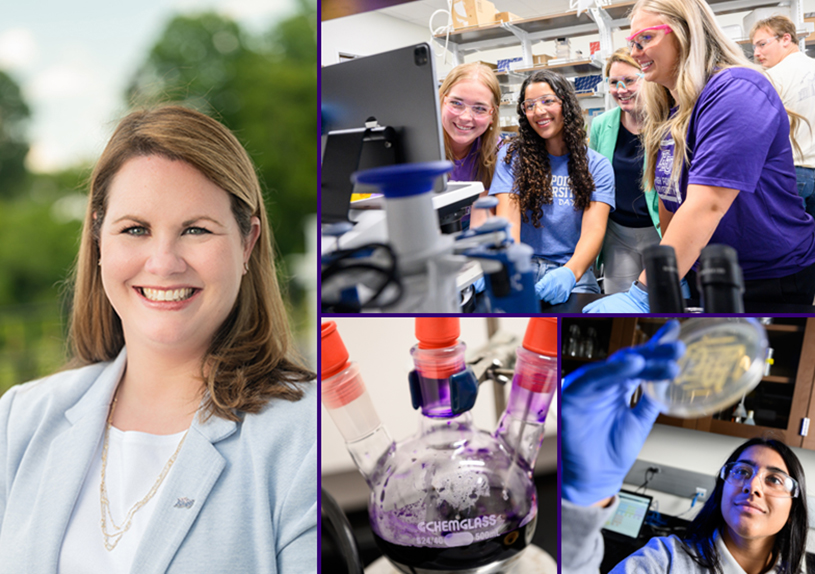
 Dr. Meghan Blackledge – Bacterial infections, particularly those caused by antibiotic resistant pathogens, cause millions of deaths worldwide each year and are on the rise. By 2050, it is estimated that deaths caused by antibiotic resistant infections will outpace those from cancer and diabetes combined. The Blackledge lab is interested in learning more about how bacteria cause and maintain infections, evade host immune systems, and resist our current arsenal of antibiotics. We use organic chemistry to synthesize small molecules that we then test in our lab to evaluate their efficacy as novel antibiotics or anti-biofilm compounds, as antibiotic adjuvants that can circumvent resistance mechanisms to re-activate antibiotics, or as chemical probes that can help us better understand the underlying mechanisms that bacteria exploit to mount and maintain infections. We collaborate extensively with other labs in WSNS and with investigators at other universities. Projects in our lab range from purely biological to purely chemical and many combinations in between, with students gaining an appreciation for interdisciplinary collaboration and opportunities to gain or hone a variety of synthetic and microbiological skills.
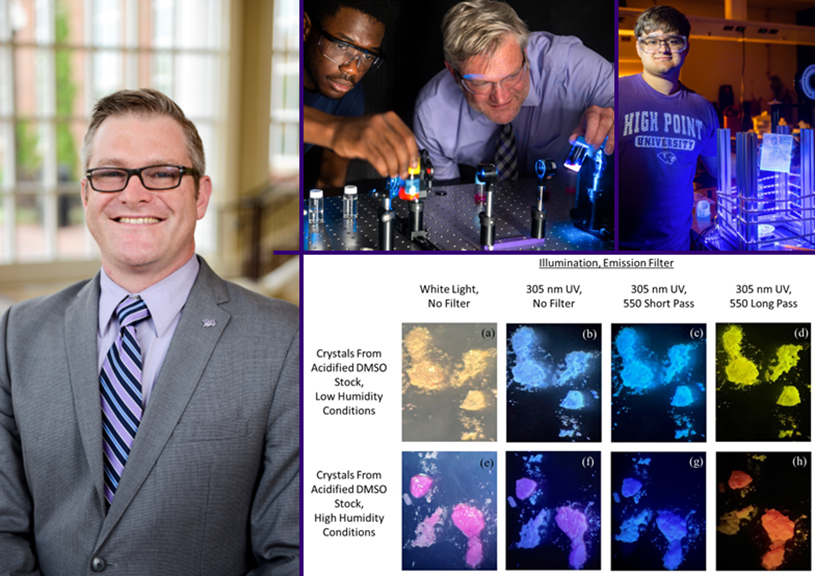 Dr. Keir Fogarty – The Fogarty lab’s research focus lies in the field of analytical and materials fluorescence science. We have built a laser-based, single molecule fluorescence (SMF) instrument, developed fluorometry methodologies, and have developed 3D-printed fluidics for fluorescence assays. Our main project collaborates with the Lundin lab at HPU to develop novel, color-changing fluorescent molecules that can be used as fluorescent pH, UV, humidity, and electrochemical sensors with applications in environmental, biological, and optoelectronic areas of technology.
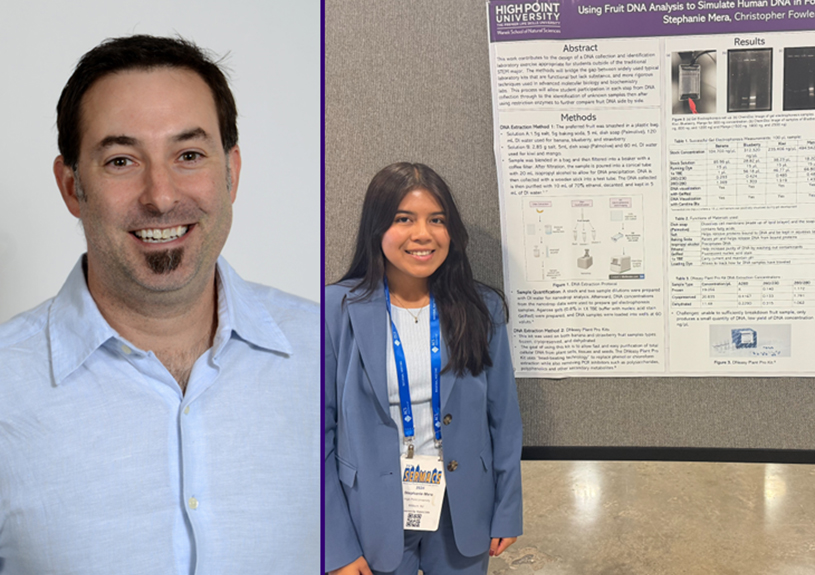 Dr. Chris Fowler – The Fowler lab specializes in adapting chemistry and biochemistry techniques from forensic chemistry to be accessible for students without an extensive STEM background. We utilize contemporary literature and methods to create laboratory exercises that, while advanced, do not necessitate years of specialized training or coursework to complete and comprehend. Research students will participate in compiling background material, developing and refining experimental pathways, and writing final lab documents.
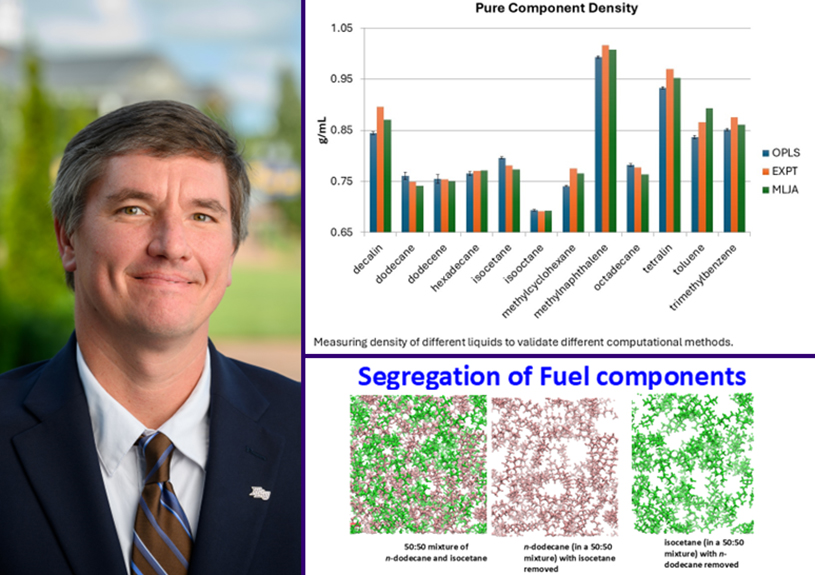 Dr. Todd Knippenberg – Molecular Dynamics (MD) is a computational method that uses computers to simulate the movement of individual atoms and molecules in a chemical system by using mathematics to model the forces of individual atoms as they interact with one another. Using this computational technique, complex chemical phenomena can be studied at the molecular level. Students interested in gaining experience with computer coding, analysis of large datasets, and looking at the mathematics governing physical laws are encouraged to reach out and learn more.
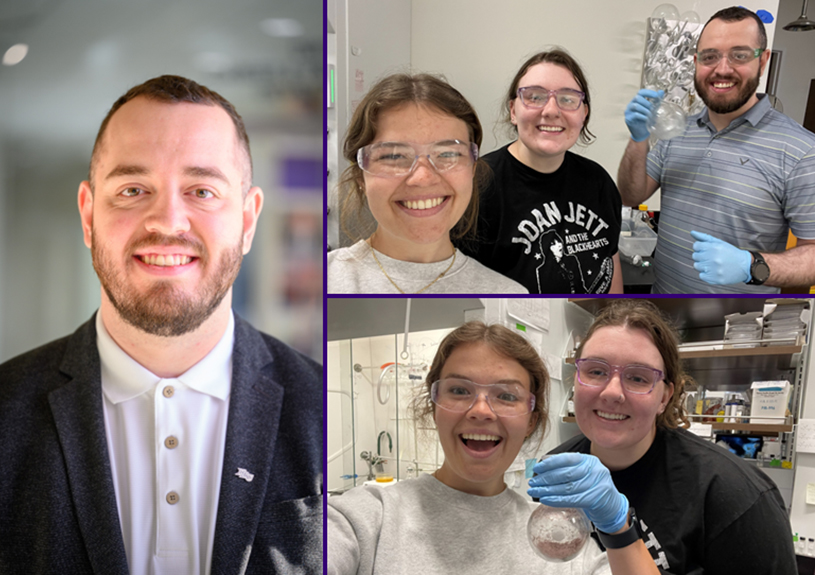 Dr. Brock Miller – Drug discovery is an evolving process that has recently focused on the rapid creation of new molecules, including larger, more complex structures. The Miller lab investigates developing methodology for the synthesis of a rarely studied pharmaceutical building block, yndiamides. We are interested in yndiamides because they can produce highly functionalized vicinal diamines, or 1,2-diamines, in a few synthetic operations. Further, we aim to utilize these substrates to better understand the reactivity profiles for “push-pull” acetylenes.