The B.S. in Exercise Science
Exercise science is organized around human movement, physical activity, athletic performance and wellness. The interdisciplinary major covers the structural, functional, behavioral and sociocultural sides of the human body, and electives let students build individualized preparation for physical therapy, occupational therapy, athletic training or physician assistant studies.
The degree totals 128 credits, including 44 credits in the major. Students also prepare for certification exams and graduate programs in exercise science.
Required Courses
- ANA 2070/2071 Human Anatomy and Lab: Structure of the body’s systems, required of every exercise science major as the natural science general education course.
- PHS 2060/2061 Human Physiology and Lab: How the organ systems function and work together to keep the body in balance.
- HHP 2100 Analysis and Critique of Scientific Literature: Reading, evaluating and applying research studies in exercise science.
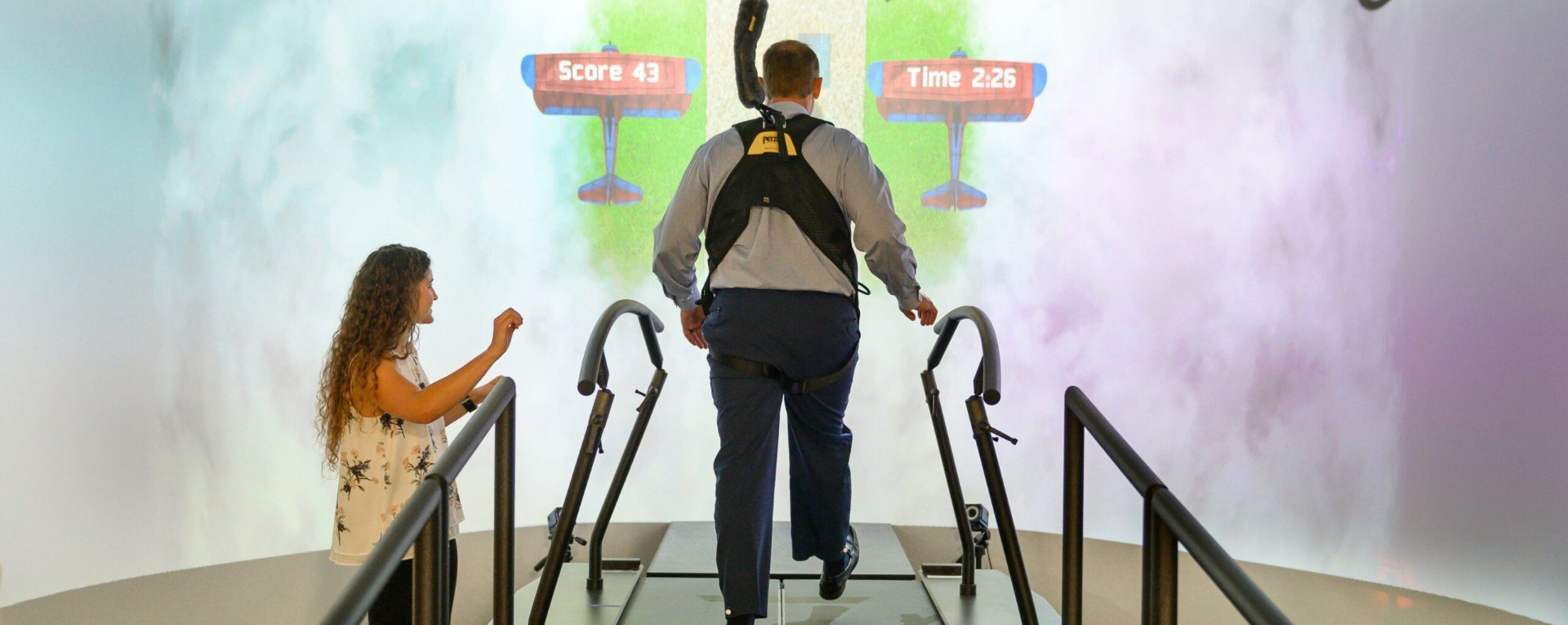
- HHP 2200 Exercise Physiology: How the body responds and adapts to physical activity and training, taught in part in the Human Biomechanics and Physiology Laboratory.
- HHP 2300 Biomechanics: The mechanics of human movement, measured with motion capture, force plates and an instrumented treadmill.
- HHP 3200 Exercise Testing and Prescription: Fitness assessment and exercise programming built on American College of Sports Medicine guidelines.
Students also choose two natural science courses from Principles of Cell Biology (BIO 1500/1501), General Chemistry I (CHM 1010/1011) and General Physics I (PHY 1510/1511), each with lab, and complete 16 credits of upper-division electives in anatomy, biomechanics, exercise physiology, exercise science, nutrition and wellness.
See the exercise science course requirements or read course descriptions in the Undergraduate Bulletin
Pre-Professional Pathways
Advising pathways add the elective courses that graduate programs require:
- Pre-Physical Therapy
- Pre-Occupational Therapy
- Pre-Physician Assistant
- Pre-Athletic Training, including the 3+2 path to HPU’s Master of Science in Athletic Training
The Congdon School of Health Sciences
The Congdon School of Health Sciences houses the Human Biomechanics and Physiology Laboratory in a 220,000-square-foot complex with advanced biomedical research facilities, an environmental chamber, a cadaver lab, a medical simulation lab and standardized client spaces that record student interactions with patients. The Callicut Auditorium hosts visiting speakers and networking events, and the average student-to-faculty ratio is 17 to 1.
Undergraduate Research
Exercise science majors research under direct mentorship from exercise science and physical therapy faculty. Students and faculty have presented at the American College of Sports Medicine and American Heart Association annual conferences and published in the Journal of Applied Physiology, the Journal of Physiology and Biochemistry and the British Journal of Sports Medicine.
CSHS Summer Research Fellowship
The Congdon School of Health Sciences Summer Undergraduate Research Fellowship pairs students with a faculty mentor for a summer in the Human Biomechanics and Physiology Laboratory, with free campus housing and a stipend. Recent projects from the Department of Health and Human Performance study running injuries in high school cross-country runners, spleen function and blood pressure, gut barrier function during exercise in the heat, and amino acid metabolism in a muscle model of insulin resistance.
Funded Health Sciences Research
Dr. David Sinacore is part of a five-year, $3.9 million National Institutes of Health grant on chronic kidney disease and bone health in the diabetic foot, run with Wake Forest University School of Medicine, Washington University in St. Louis and the University of California San Francisco. It is HPU’s largest active single NIH grant. Dean Kevin Ford has earned more than $728,000 in NIH grants to study knee and ACL injury risk in young female athletes. Ford and Sinacore are on Stanford University’s list of the world’s top 2% most-cited scientists, and Congdon School faculty have made the list four years in a row.
Ultrasound Imaging Training
HPU’s Doctor of Physical Therapy program became the first in the nation to integrate ultrasound imaging, and the training is open to undergraduate exercise science students, with third-party certification.
Maymester Courses
Exercise physiology Maymester courses have taken students to the American College of Sports Medicine conference and to Nepal, where students studied their own physiological responses to high altitude.
Exercise Science Students on Coursework and Research
Graduates point to the cadaver lab, the Human Biomechanics and Physiology Laboratory and faculty-led research as the experiences that set them apart for graduate school.
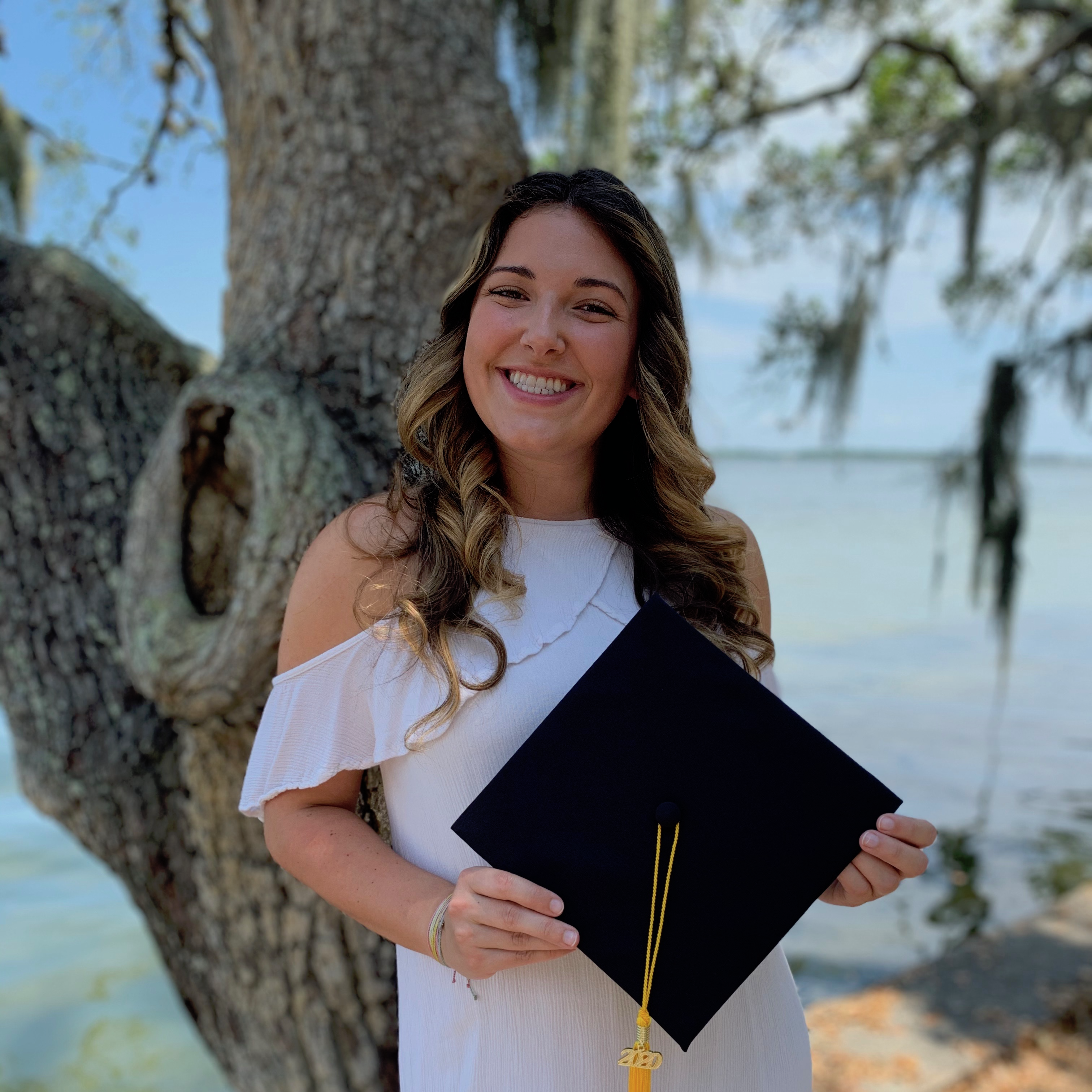
Mikayla Labbe
Doctor of Physical Therapy Student, Gannon University, on Advanced Human Anatomy
“This class’ cadaver laboratory sessions helped me to prepare for my graduate school program more than any other course I’ve taken at HPU.”
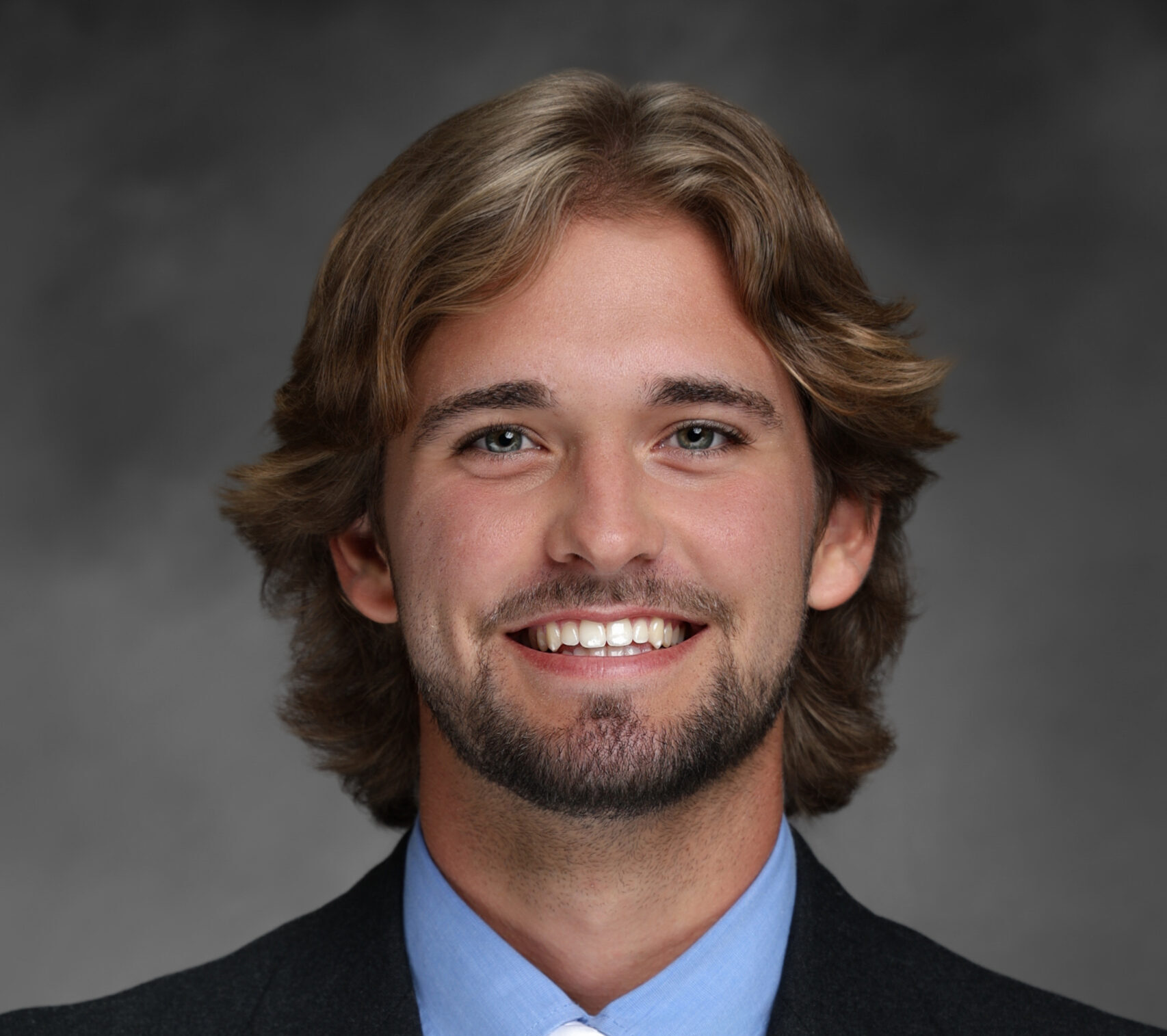
Jason Hinkle
Doctor of Physical Therapy Student, Duke University
“The Biomechanics Lab was an extraordinary opportunity to conduct research alongside professionals in the field and interact with DI athletes to collect data.”
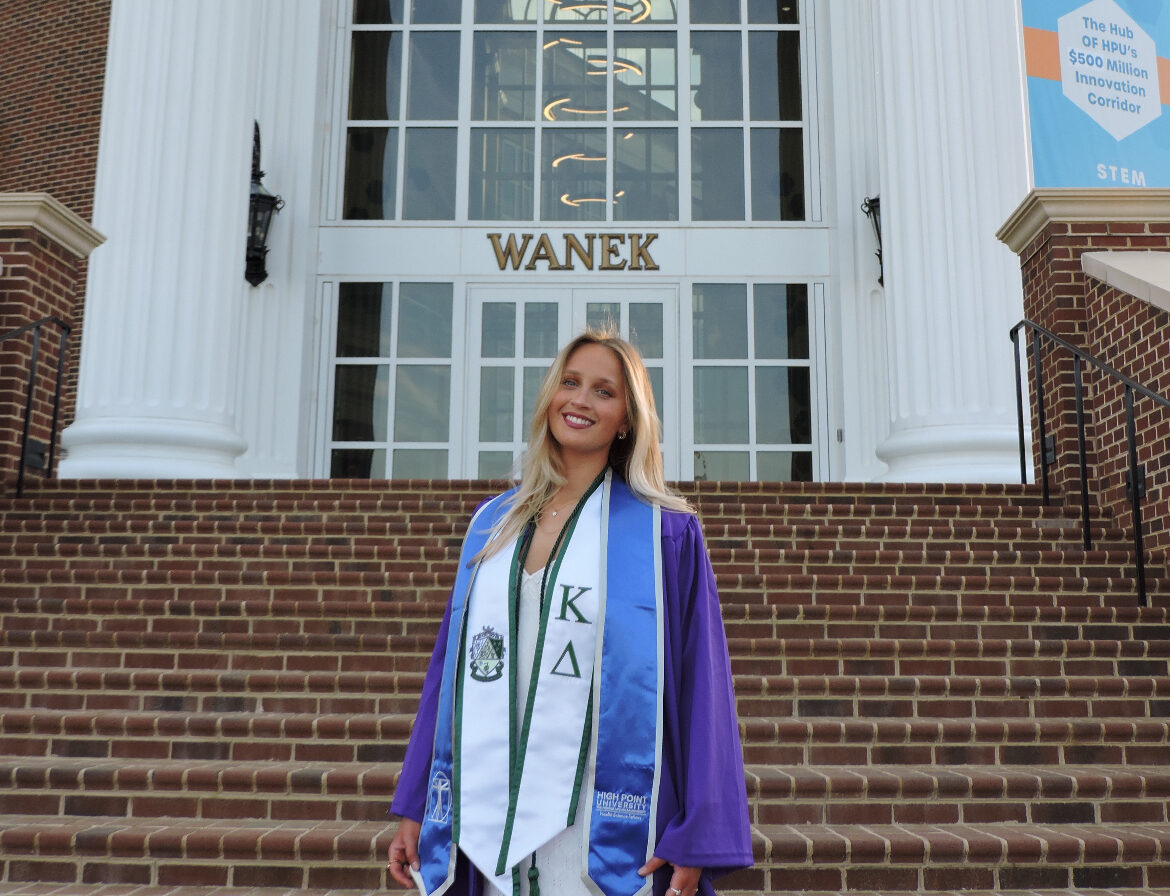
Rachel Smith
Doctor of Audiology Student, East Carolina University
“Undergraduate research has helped me become a competitive applicant and I’m so grateful for the opportunities and relationships it’s created.”

Colleen Mulrey
M.S. in Kinesiology, University of Tennessee
“The Human Biomechanics and Physiology Lab gave me so many different opportunities including undergraduate research beginning freshman year, presenting at national conferences, and publishing my research.”
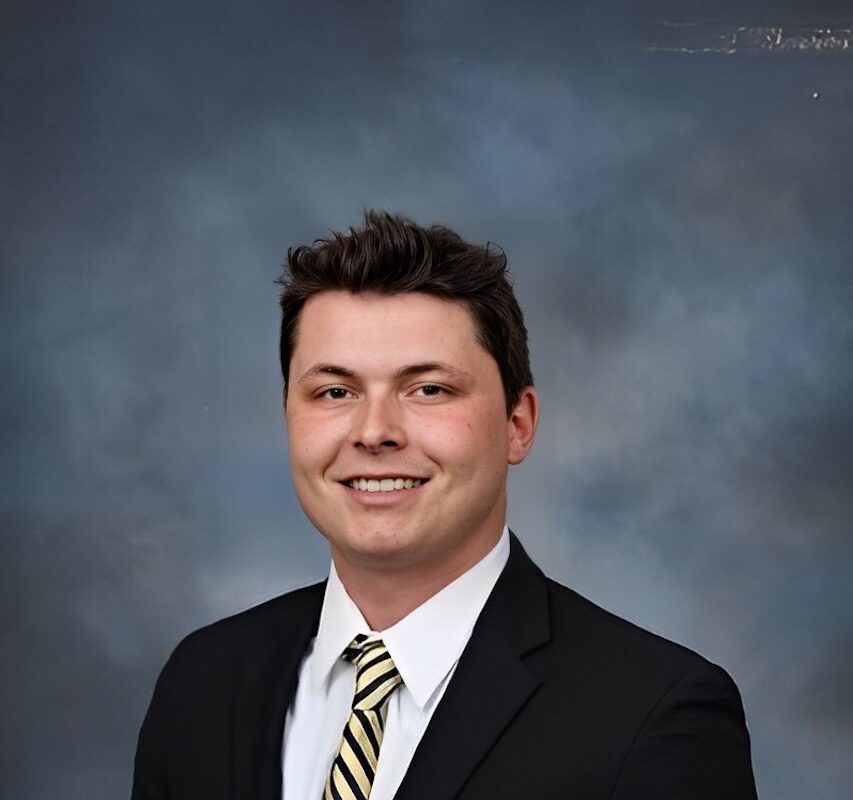
Blake Edwards
Doctor of Physical Therapy Student, University of Hartford
“I worked on undergraduate research with Dr. Ford in the human biomechanics and physiological lab for more than three years of my time at HPU and presented our research at a national sports medicine conference in California.”

Lauren Dinkla
M.S. in Health and Exercise Science, Wake Forest University
“These diverse research experiences differentiated me from other graduate school applicants and prepared me for future research projects.”
Explore Exercise Science at High Point University
The exercise science curriculum at High Point University is built as a route into clinical graduate study.
Accreditation & Awards Careers & Organizations
Questions about the program? Email Dr. David Bazett-Jones at [email protected].