Inside the Lab
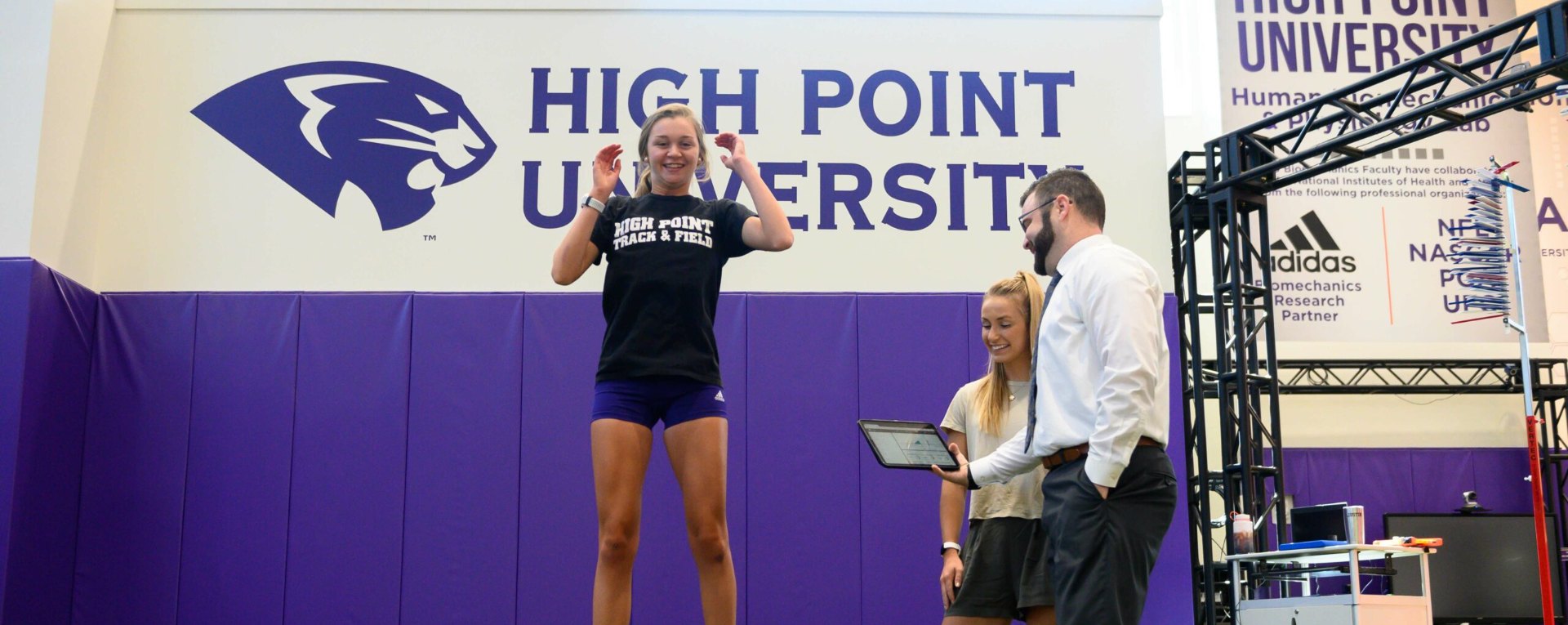
The Human Biomechanics and Physiology Laboratory covers 16,000 square feet of research, teaching and clinical space in the Congdon School of Health Sciences. Faculty in physical therapy, biomechanics, physiology, exercise science and athletic training work here alongside undergraduate and graduate students.
The biomechanics area is surrounded by more than 50 motion capture cameras and has 14 force plates and an instrumented treadmill. The biomechanics area also has functional motion capture areas with a golf simulator, a turf field and a wooden court surface. Professional athletes from the NFL, PGA, NASCAR and UFC have trained in the lab.
In summer 2026, Alyssa Joshua, a biology and exercise science major, worked with Dr. Jamie Kronenberg, assistant professor of physical therapy, on marker-less motion capture. Their study tests how ankle instability changes the running gait of NCAA Division I athletes and helps validate methods clinicians can use to identify each phase of a runner’s stride.
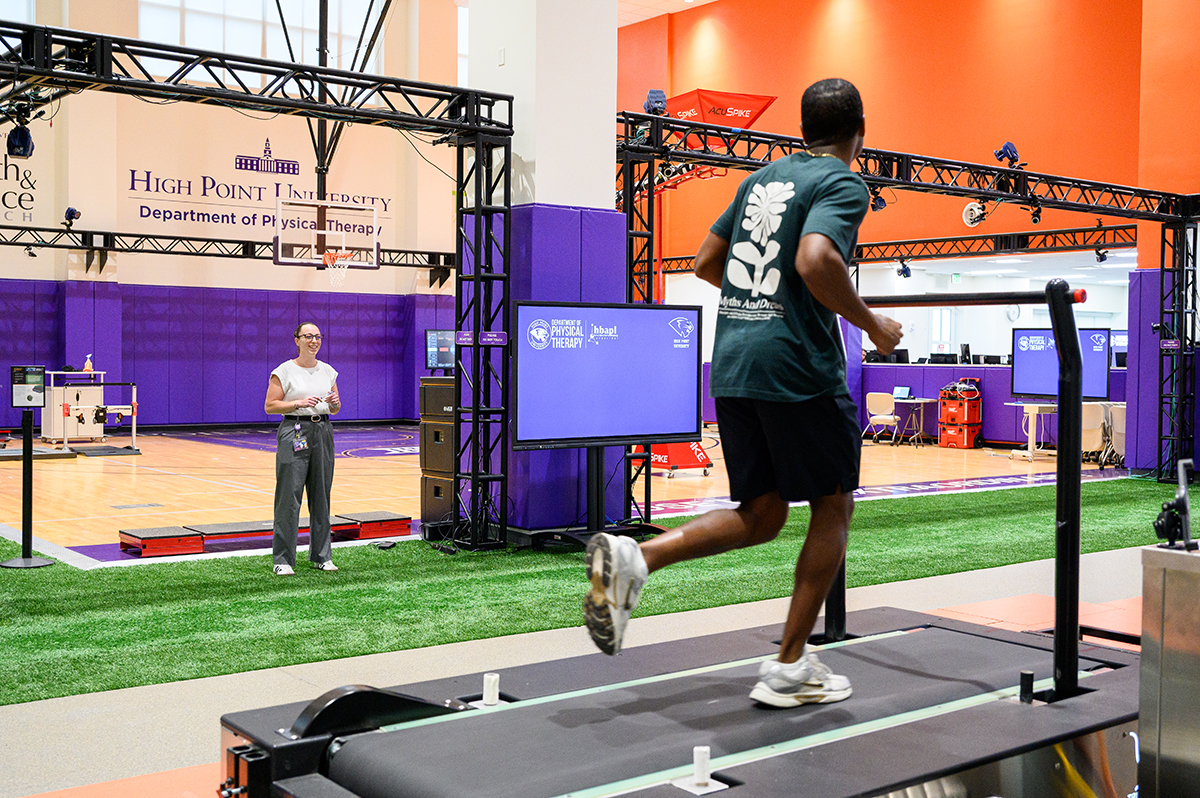
Dr. Jamie Kronenberg tests running mechanics in the lab.
Physiology and the Environmental Chamber
The physiology side of the lab is built around an environmental chamber that reproduces temperatures above 100 degrees Fahrenheit and below freezing, humidity up to 95% and elevations up to 14,000 feet above sea level.
Researchers also work with a wet lab, metabolic carts, specialized treadmills including an Alter-G gravity-altering treadmill, a wireless EMG system that tracks muscle activity and a DEXA scanner for body composition analysis.
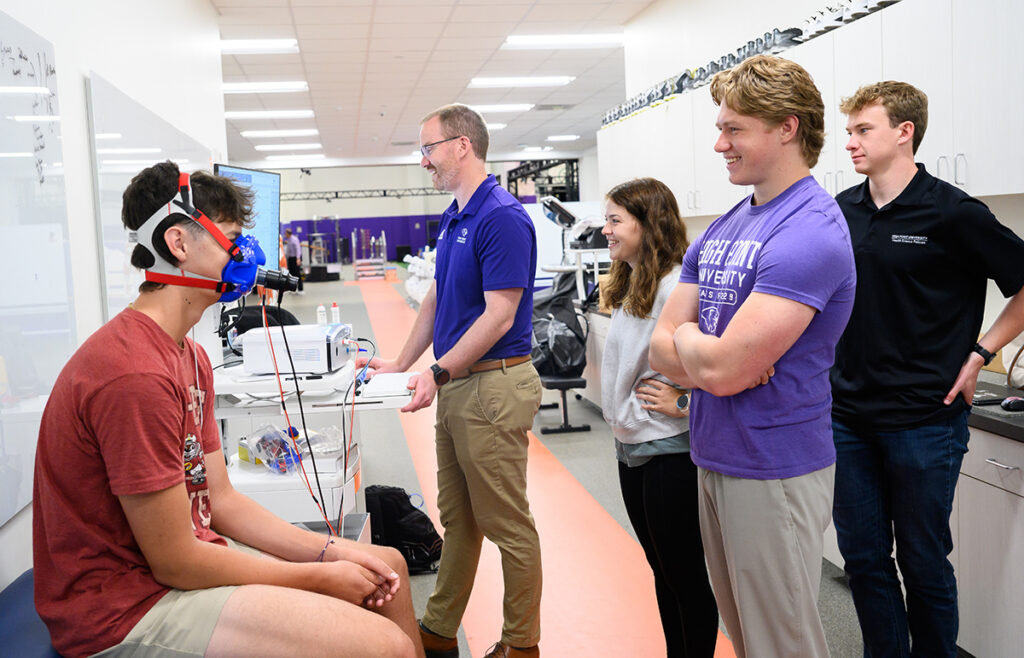
In summer 2026, Summer Undergraduate Research Fellows BriAnna Doll, Nick Sorensen and Austin Osborne joined Dr. Jason Keeler to study how contraction and enlargement of the spleen affect central blood pressure. Participants completed maximal breath-holds while the team used a metabolic cart to measure the oxygen and carbon dioxide of each breath.

A treadmill test in the Human Biomechanics and Physiology Laboratory.
What Student Researchers Say
Students and graduates on research in the Human Biomechanics and Physiology Laboratory.
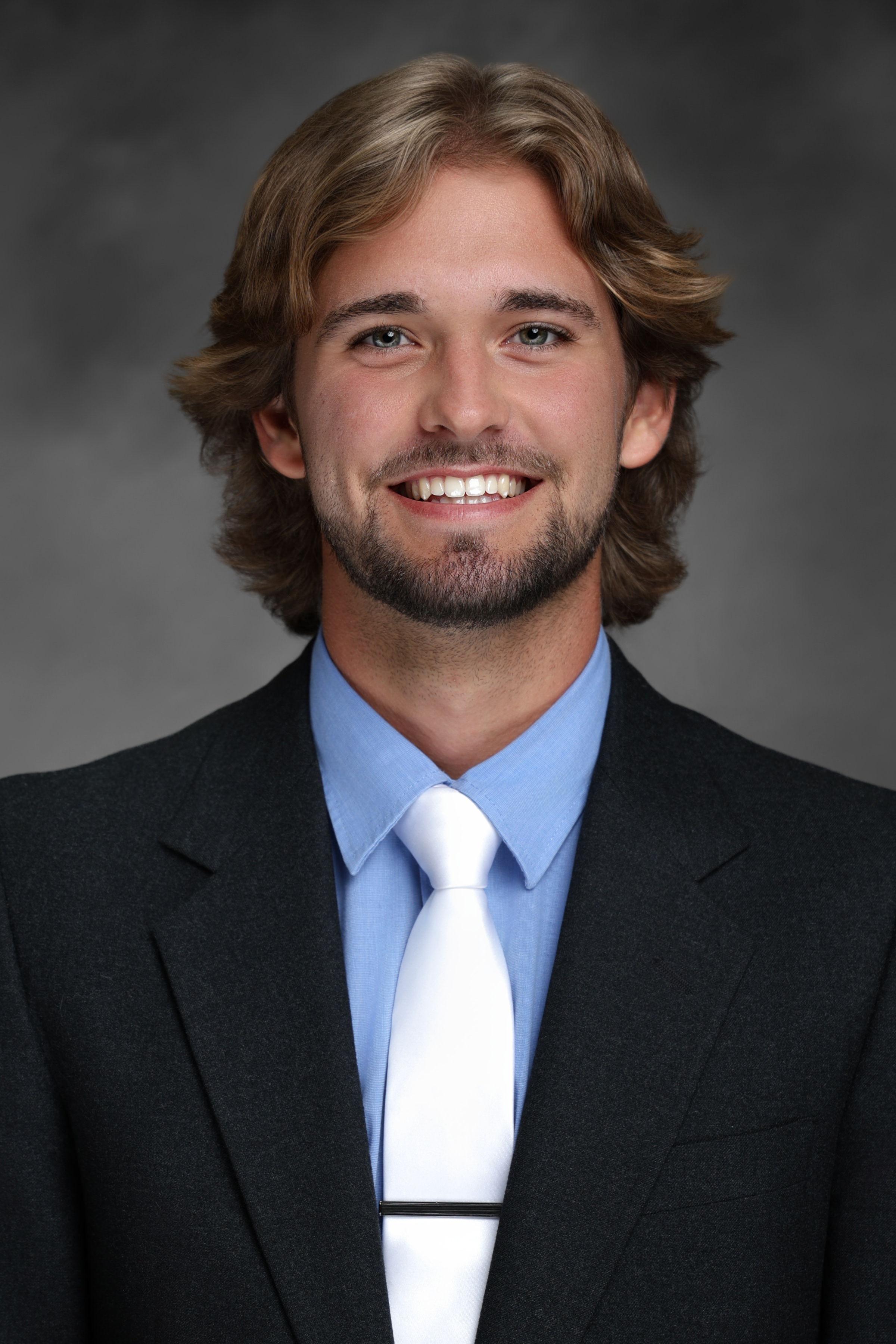
Jason Hinkle
Exercise Science graduate · Doctor of Physical Therapy program, Duke University
“HPU had incredible resources available for mentorship, research and networking that paved the way for my future academic and professional endeavors. The Biomechanics Lab was an extraordinary opportunity to conduct research alongside professionals in the field and interact with DI athletes to collect data. HPU allowed me to publish papers and present research across the country, opening up doors to network with professionals from all over the world.”
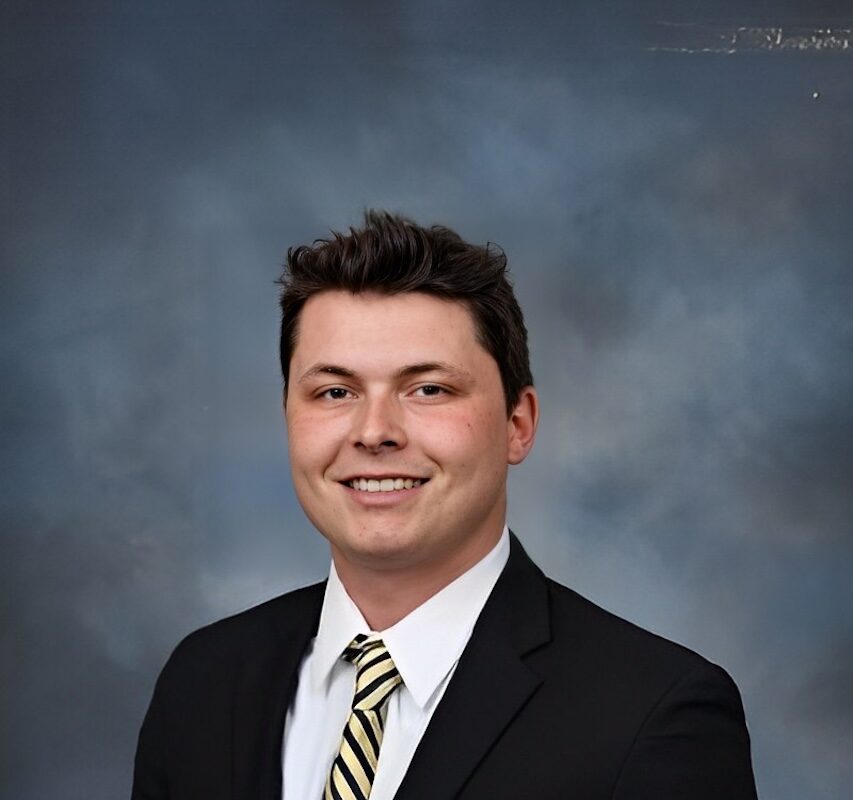
Blake Edwards
Exercise Science graduate · Doctor of Physical Therapy student, University of Hartford
“I worked on undergraduate research with Dr. Ford in the human biomechanics and physiological lab for more than three years of my time at HPU and presented our research at a national sports medicine conference in California. This is just one of many things Dr. Ford gave me the opportunity to do, and I am forever thankful.”
Austin Osborne
Summer Undergraduate Research Fellow
“This research opportunity is building upon a great foundation for what I have learned in my first year. As a sophomore, I haven’t taken the more in-depth courses that Nick and Bri have taken, but being able to develop new skills that are going to help me later on with exercise science and my future career has been fantastic.”
Faculty-Led Research
Students in the lab work with faculty whose research is recognized nationally. Dr. Kevin Ford, dean of the Congdon School of Health Sciences and professor of physical therapy, received the American College of Sports Medicine Biomechanics Interest Group’s Career Achievement Award in 2026. Ford and Dr. David Sinacore, professor of physical therapy, were named for a second consecutive year to Stanford University’s list of the top 2% of most-cited scientists in the world. Sinacore leads a five-year, $3.9 million National Institutes of Health grant.
Undergraduates join this work through the Summer Research Fellows program, which pairs students with health science researchers and helps many publish in peer-reviewed journals. Undergraduates working with Dr. Don Goss of the Department of Physical Therapy have used the golf simulator and force plates to compare golfers with and without a history of knee surgery, analyzing 990 swings from 33 participants.
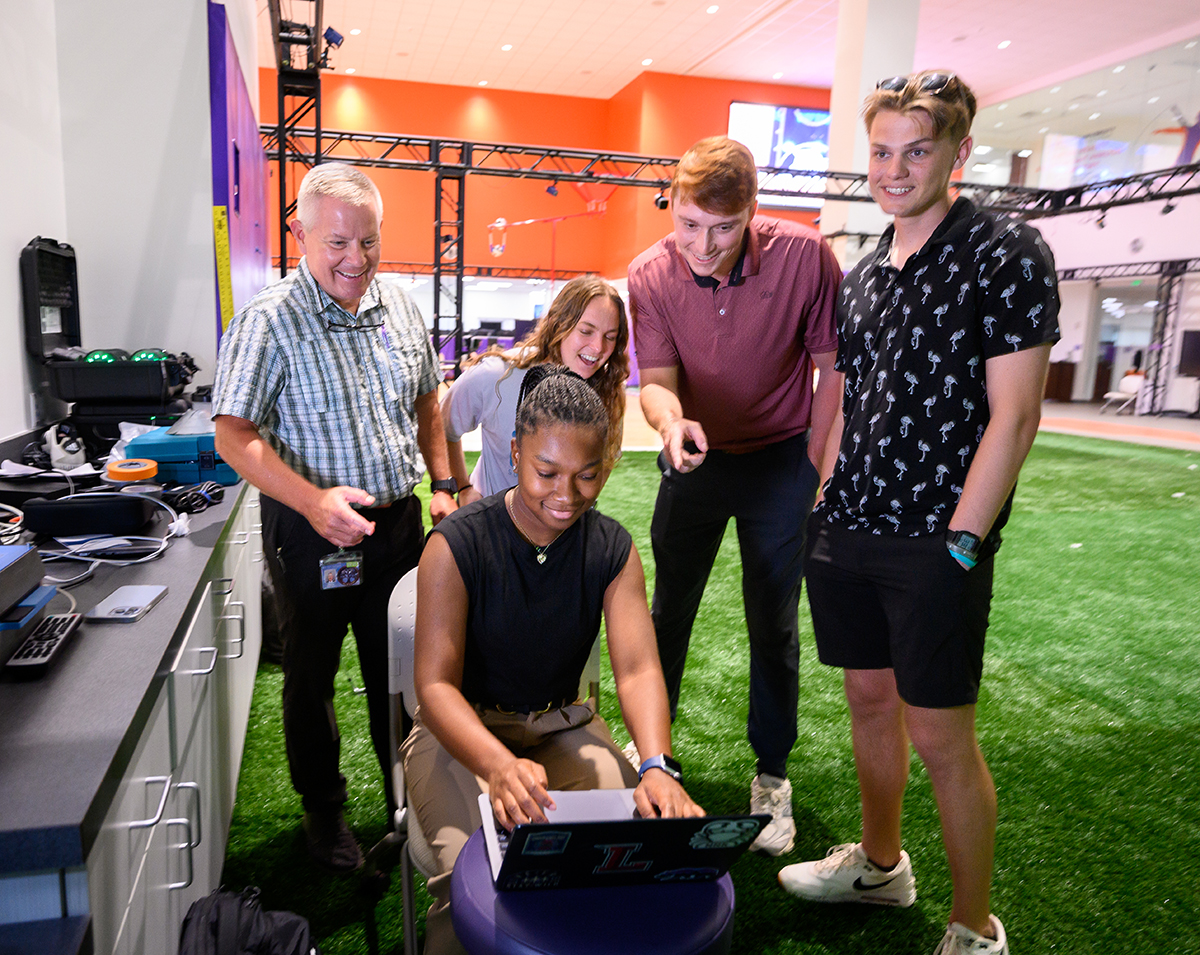
Kennady Milligan analyzes golf swing data with Dr. Don Goss and fellow researchers.
Study Movement Science at HPU
Exercise science, athletic training and physical therapy students use this lab in their courses and research.
Exercise Science Curriculum Athletic Training Physical Therapy
Questions? Email Dr. David Bazett-Jones at [email protected].