
The B.S. in Neuroscience
Neuroscience at HPU is interdisciplinary, drawing on biology, chemistry and psychology to prepare students for medical school, biomedical research and other professional programs. Students choose one of two tracks:
- Behavioral neuroscience, with additional psychology coursework
- Neurobiology, with Human Physiology and lab (BIO 3061)
The degree totals 128 credits, with 56 in the major.
Required Neuroscience Courses
- BIO 2001/2002 Principles of Genetics with Lab: Inheritance, gene expression and molecular genetics techniques.
- NEU 3010 Cellular and Molecular Neuroscience: How neurons signal, from ion channels and synapses to the molecules behind learning and disease.
- NEU 3011/3011L Systems Neuroscience with Neuroanatomy Lab: How brain circuits produce sensation, movement and behavior, with hands-on study of neuroanatomy.
- NEU 3600 Biopsychology: The biological basis of behavior, emotion and cognition.
- PSY 2100 Statistics for Psychology: Research design and statistical analysis for behavioral science, required on the behavioral neuroscience track (neurobiology students choose PSY 2100, STS 2020 or STS 2910).
Neuroscience Course Descriptions
Full descriptions of every neuroscience, biology and psychology course are in the High Point University Undergraduate Bulletin. Students can also add a neuroscience minor to another major.
Labs and Facilities
Neuroscience lives in the Wanek School of Natural Sciences on the Innovation Corridor. Lab coursework runs alongside opportunities to join faculty research.
The Wanek School of Natural Sciences is a community of more than 450 scientist scholars in biology, biochemistry, chemistry, neuroscience and physics, with an average student-to-faculty ratio of 17 to 1. The school sits on the Innovation Corridor, a half-mile stretch of campus dedicated to STEM that includes the 15,000-square-foot Caine Conservatory.
Research in Faculty Labs
Faculty invite students into their own laboratories to study axon growth and branching, developmental and molecular neuroscience, neural regeneration, neuroendocrine insect sensory systems and traumatic brain injury. Student researchers present at conferences and earn grants, internships and publications. The Princeton Review gives High Point University a 95 out of 99 rating for professor accessibility, based on its student surveys. In the summer research program, students work on projects such as concussion research in Dr. Kochen’s lab through the Summer Research Program in the Sciences.
Current faculty labs include the Grider Lab (stroke neuroprotection, axon regeneration and autism models), the Kochen Lab (concussion and dementia) and the Neel Lab (dopamine, lipid metabolism and GLP-1 agonists).
See the full neuroscience program overview.
Where Students Present
Students present at HPU’s Undergraduate Research and Creative Works Symposium and at regional meetings such as the Symposium for Young Neuroscientists and Professors of the South East. Lena Hetrick presented at the Society for Neuroscience 2024 meeting, and Faith Bradley won third prize for best poster and third prize for the one-minute talk at the Society for Sports Neuroscience conference.
Holistic Learning
Practicing scientists, recent graduates and visiting lecturers come to campus throughout the year. Field trips and service projects run on and off campus, and the Neuroscience Club sponsors a student trip to the National Institutes of Health.
Research That Leads to Graduate School
Neuroscience majors publish, present and earn national research placements as undergraduates. Three graduates on what got them there.

Allison Tucker
Researcher, National Institutes of Health
“HPU provided me with the means to develop confidence and the impactful written and oral speaking skills to communicate my work.”
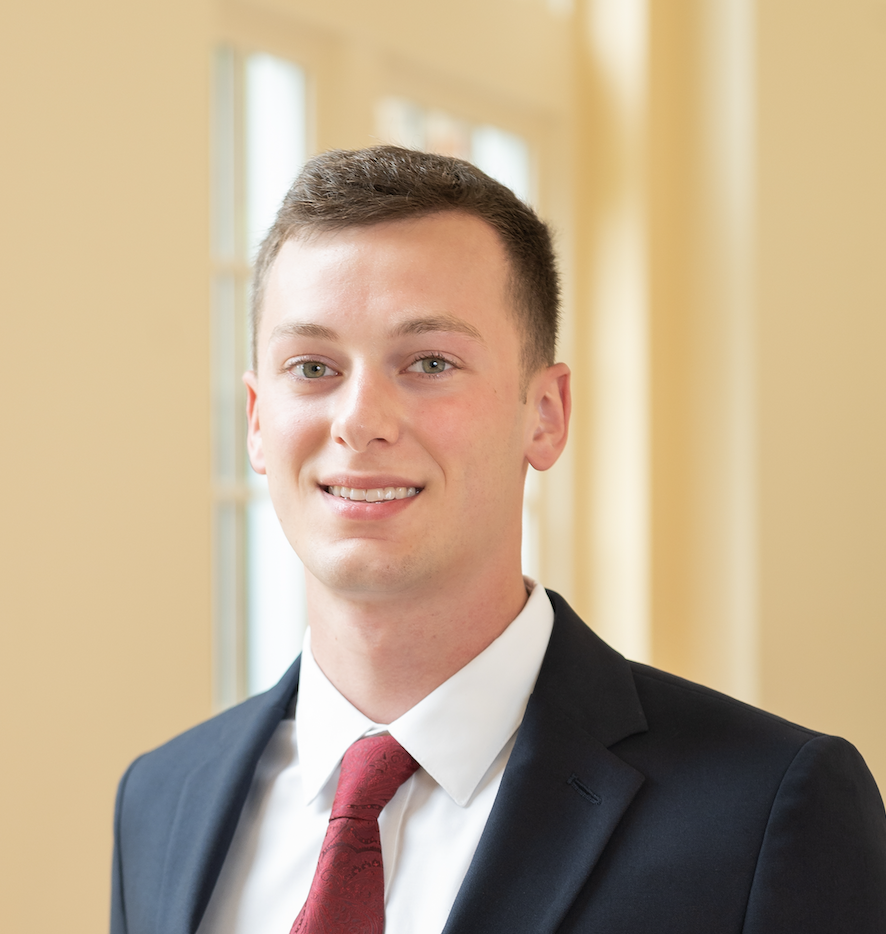
Billy Mathias
Penn State College of Medicine
“The Natural Sciences Fellows Program emphasized learning through lab work and research, allowing me to apply the lessons I learned in the classroom.”

Annie Rexha
Biomedical Sciences Master’s Program, Wake Forest School of Medicine
“HPU’s science courses and small class sizes really prepared me to handle graduate-level science courses.”
Neuroscience in the News
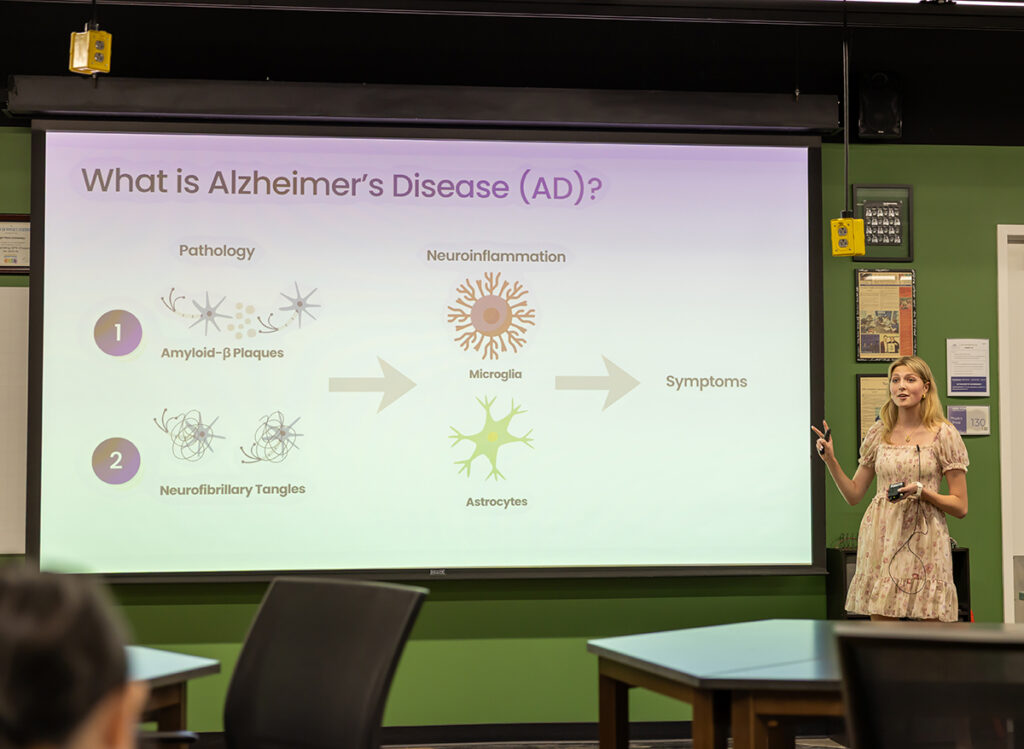
Isabella Frankovic
HPU Research and Innovation: August 2026
In 2025, she worked with two other HPU students and Dr. Bill Kochen, professor and founding chair of neuroscience, to investigate the effects of dehydration and creatine on mild Traumatic Brain Injury, also known as concussions.
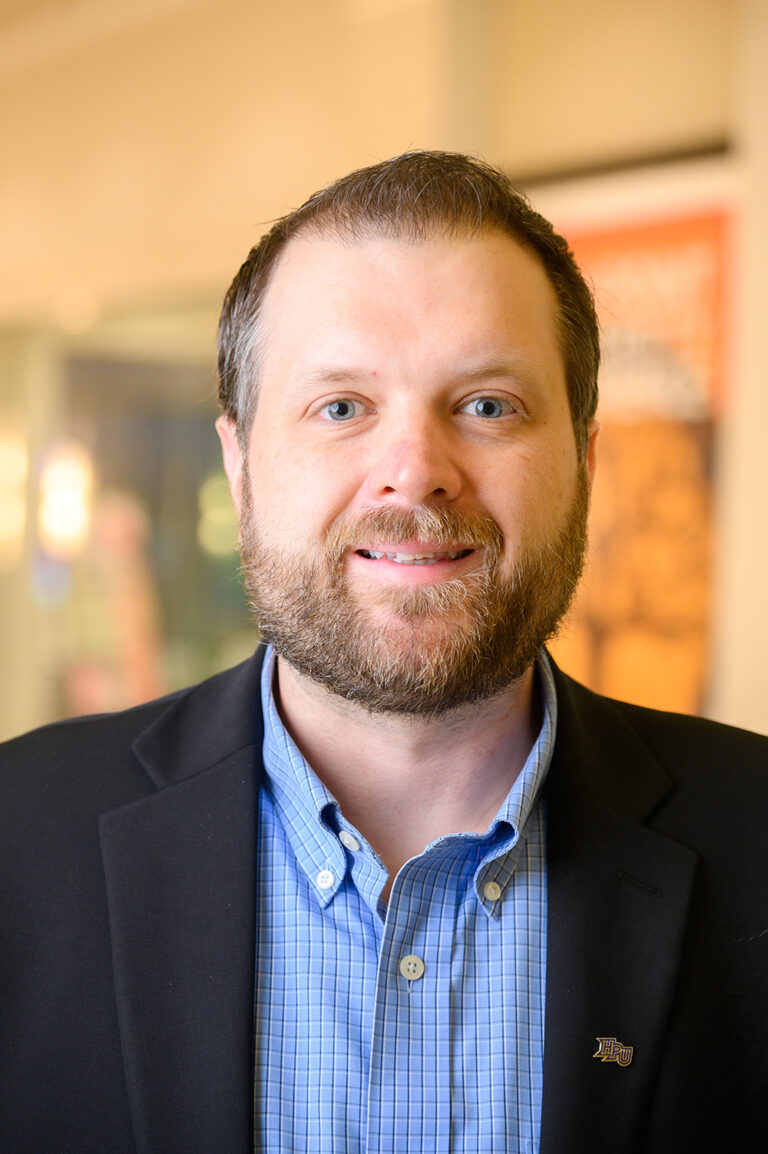
Dr. William Kochen
HPU Welcomes New Faculty
His research explores environmental effects on traumatic brain injury and Alzheimer’s Disease using human and rodent models and has been funded through grants from the National Institute on Aging and the Florida Department of Health.
Explore Neuroscience at High Point University
See how HPU neuroscience ranks and where its graduates go next.
Accreditation & Awards Careers & Student Organizations
Questions about the program? Email Dr. William Kochen at [email protected].