The B.A. and B.S. in Biology
HPU’s biology major prepares students for careers in medicine, dentistry, biomedical research and biological research in areas such as ecology, zoology and botany. Every biology major builds a foundation in cell biology, genetics and ecology, then chooses upper-level courses that fit their goals.
The B.S. in Biology requires 57 to 58 credits in the major, and students choose one of three concentrations:
- Health sciences
- Cell, molecular and biotechnology
- Organismal and evolutionary biology
The B.A. in Biology requires 41 to 42 credits in the major. Both degrees finish with BIO 4990 Senior Seminar, where students review primary literature in an area of biology that interests them.
Hands-On From Day One
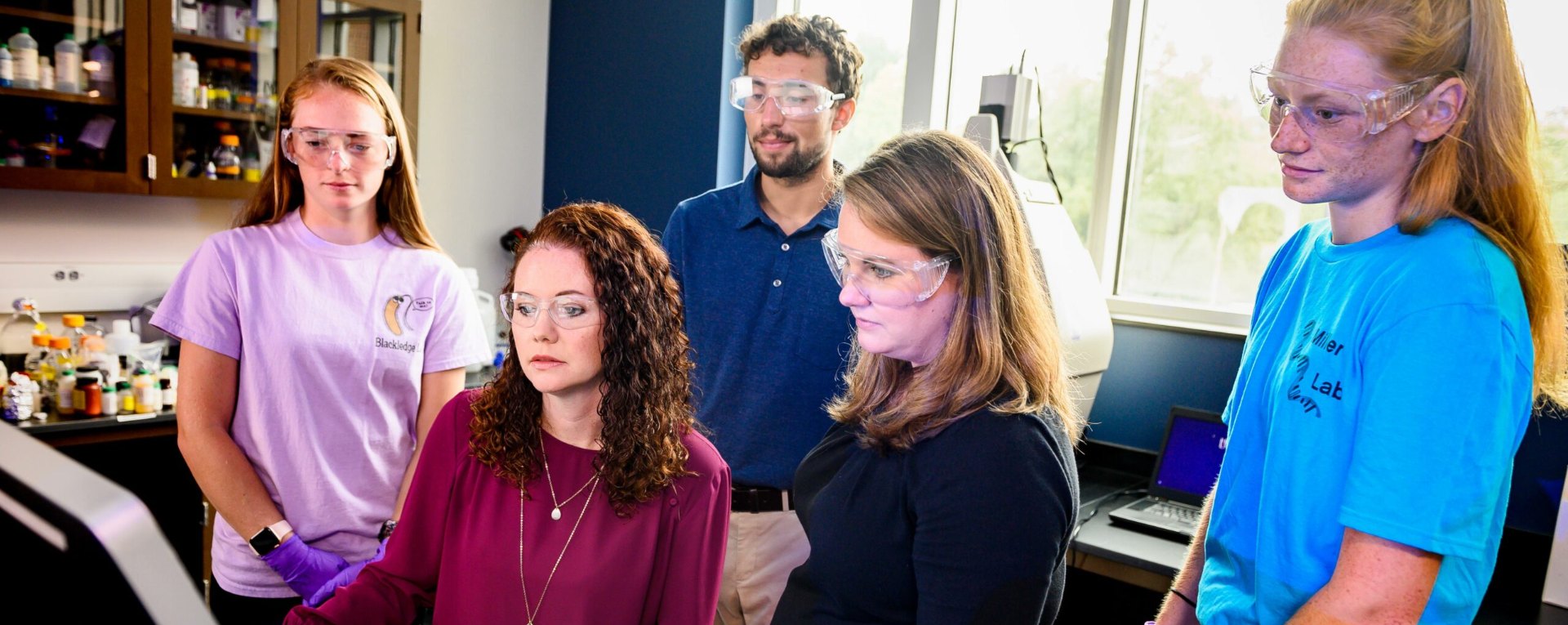
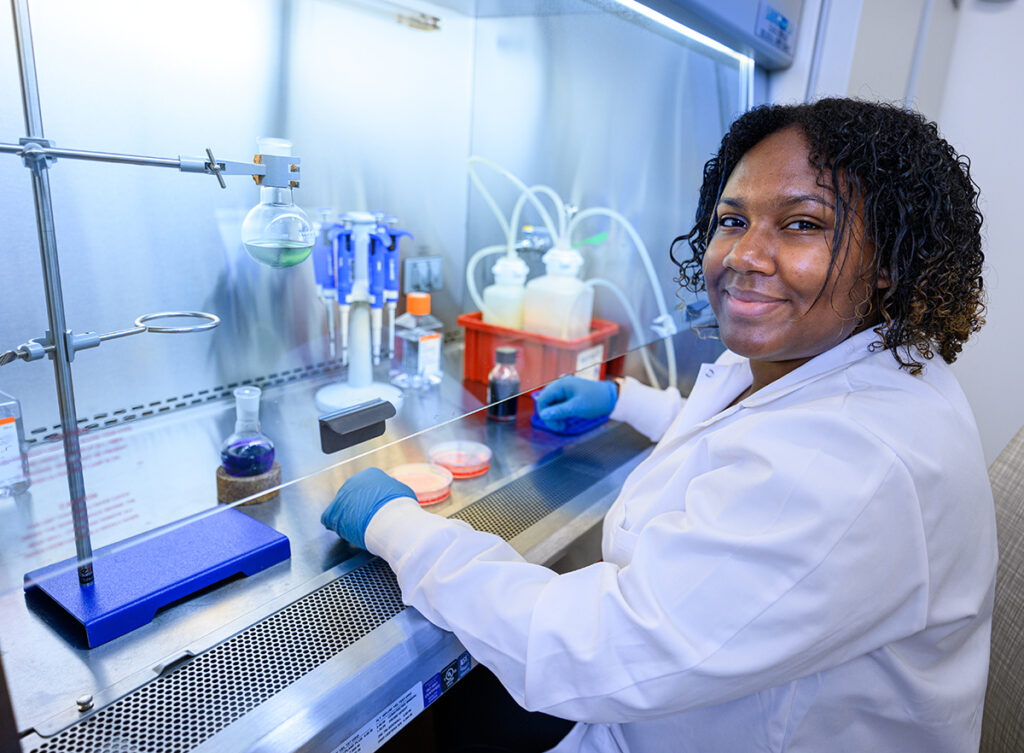
The Wanek School of Natural Sciences engages students in hands-on experiential learning starting on day one. Designing experiments and working with research-grade instruments may feel intimidating at first, and students build the skills and confidence to do both. Biology students train on instrumentation typically reserved for graduate study, from PCR thermocyclers to a gel imaging system and fluorescent microscopes.
The department also offers paid assistantships in lab preparation, teaching and research, so students can work beside faculty while they study.
Biology Key Courses
- BIO 1500/1501 Principles of Cell Biology/Lab: General principles of living systems at the chemical, cellular and metabolic levels.
- BIO 2001/2002 Principles of Genetics/Lab: Transmission, molecular, population and evolutionary genetics, with lab experiments in each area.
- BIO 2500/2501 Principles of Ecology, Evolution and Biodiversity/Lab: The ecological and evolutionary principles that govern life from genes to the global ecosystem.
- CHM 1010/1011 General Chemistry I/Lab: Atoms, compounds, chemical nomenclature, formulas, the periodic table and chemical reactions.
- CHM 1020/1021 General Chemistry II/Lab: The second semester of general chemistry, continuing the study of matter and chemical reactions.
- CHM 2010/2011 Organic Chemistry I/Lab: Organic molecules, with an emphasis on molecular structure and reactivity.
- CHM 2020/2021 Organic Chemistry II/Lab: The second semester of organic chemistry.
- MTH 1410 Calculus: Differential and integral calculus of functions of a single real variable.
- SST 2020 Introduction to Statistics: Descriptive statistics, probability, experimental design, hypothesis testing and linear regression.
Biology Course Descriptions
Full descriptions of every biology course are in the High Point University Undergraduate Bulletin. Minor requirements are on the biology minor page.
Upper-Level Biology Electives
Biology majors shape their concentration with upper-level electives such as:
- BIO 3040 Microbiology
- BIO 3050 Advanced Genetics
- BIO 3061 Integrated Human Physiology
- BIO 3071 Human Anatomy and Embryology
- BIO 3080 Vertebrate Natural History
- BIO 3110 General Botany
- BIO 3120 Zoology
- BIO 3210 Tools for Biotechnology
- BIO 3220 Parasitology
- BIO 3230 Medical Entomology
- BIO 3250 Health and Ecology Applications of GIS
- BIO 3300 Global Change Ecology
- BIO 3450 The Hidden Face of Ecuador
- BIO 3600 Aquatic Biology
- BIO 4010 Animal Physiology
- BIO 4030 Developmental Biology
- BIO 4050 Comparative Vertebrate Anatomy
- BIO 4060 Immunology
- BIO 4065 Virology
- BIO 4070 Endocrinology
- BIO 4090 Molecular Biology
- BIO 4098 Cancer Cell Biology
Pre-Med and Pre-Health Preparation
Biology majors headed to medical, dental, physician assistant or veterinary school can choose the health sciences concentration, which covers the coursework professional programs require. Students have experienced advisors and peers to help them through the challenges of preparing for a career in medicine.
Biology Faculty
- Dr. Matt Talbert, chair and associate professor of biology, led the department’s application to bring the SEA-PHAGES research program to HPU.
- Dr. Dinene Crater, professor of biology, was one of the first SEA-PHAGES instructors.
- Dr. Megan Bowman, assistant professor of biology, was one of the first SEA-PHAGES instructors.
- Dr. Kelli Sapp, associate professor of biology, co-directs the Natural Sciences Fellows program.
- Dr. Nicole Hughes, associate professor of biology and secondary biology program coordinator.
- Dr. Daniel Greene, director of environmental studies and assistant professor of biology.
- Alexander Bastian, assistant professor of biology.
- Dr. Robert Charvat, associate professor of biology.
- Dr. Neil Coffield, assistant professor of biology.
- Dr. Christina Harvey, assistant professor of biology.
- Dr. Dane Kuppinger, assistant professor of biology.
- Dr. Kenneth McKenna, assistant professor of biology.
- Dr. Alexander Mosier, assistant professor of biology.
- Dr. Josef Stiegler, assistant professor of biology.
- Dr. Jeremy Whitson, assistant professor of biology.
See each professor’s lab on the biology faculty research page.
SEA-PHAGES Research in the First Year
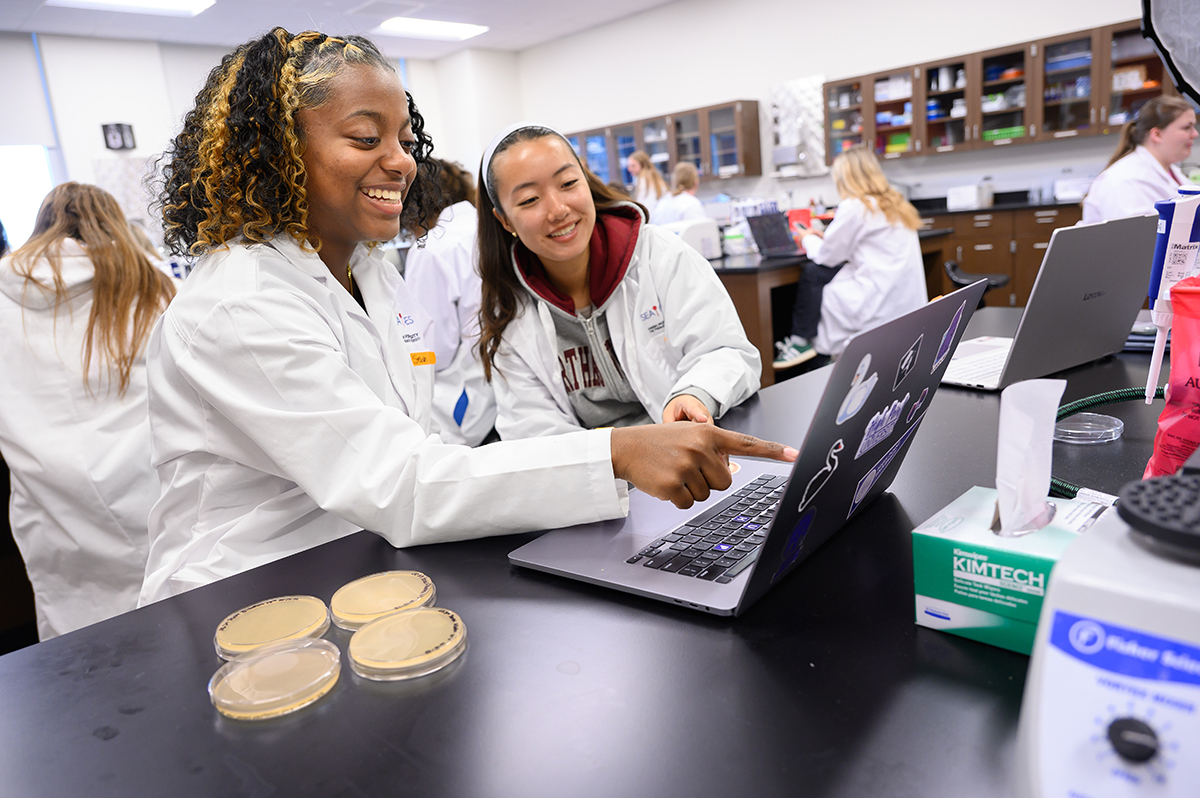
First-year biology majors take part in SEA-PHAGES, a year-long research program supported by the Science Education Alliance at the Howard Hughes Medical Institute. As part of their introductory biology lab, students dig through soil to find new bacteriophages, viruses that infect bacteria, then extract and sequence their DNA and identify their genes alongside hundreds of students around the world.
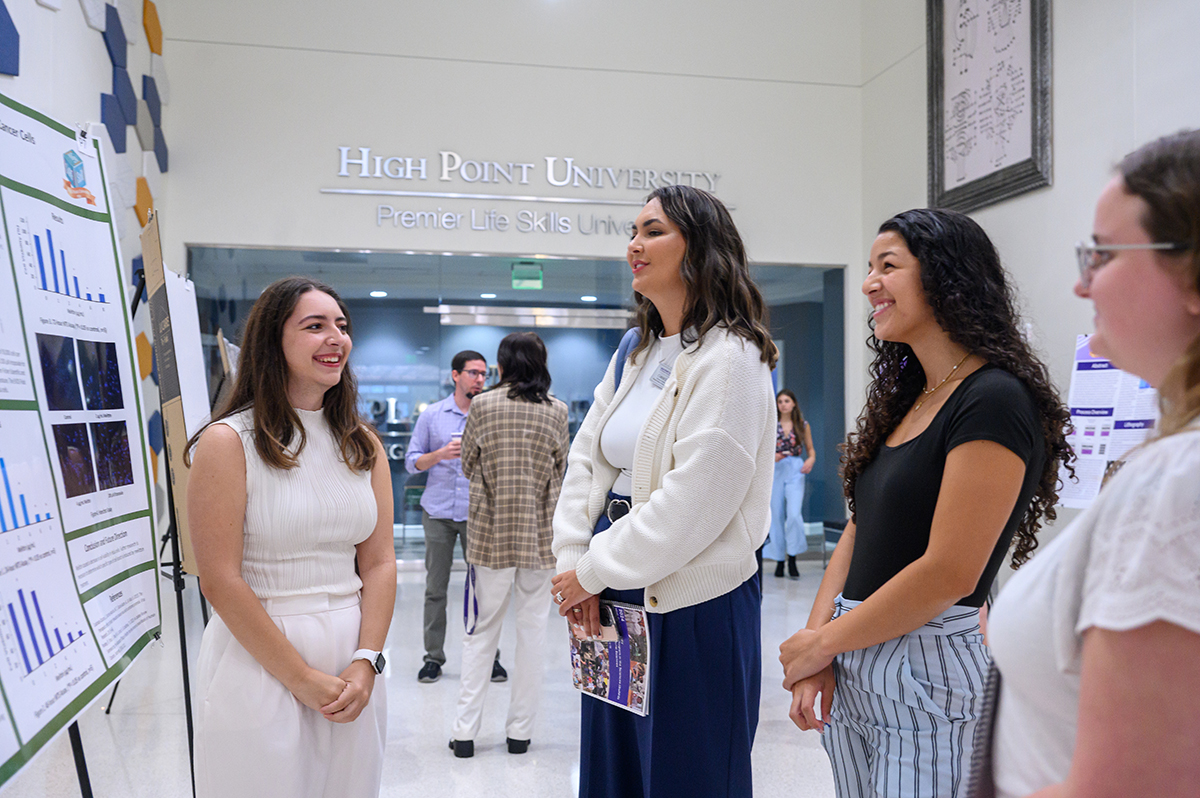
In the program’s first semester at HPU, Eleanor Lee, a pre-med biology major and Natural Science Fellow, discovered a new phage and named it “Youngsook” after her grandmother. Students presented their findings at a poster session in the Wanek School of Natural Sciences.
“I learned how to apply the scientific process, including how to troubleshoot when challenges arose, and built perseverance along the way,” said Selah McAdams, a biology major on the pre-med track.
Research Rookies and Summer Research
Biology majors can join a faculty member’s lab to drive a project of their own year-round, start as Research Rookies in their first or second year, or spend eight weeks in the Summer Research Program in the Sciences (SuRPS). SuRPS students work with faculty mentors in biology, chemistry, neuroscience and physics and present their results in the Culp Planetarium and the Wanek School of Natural Sciences lobby. The department also helps students apply to outside summer research internships.
“The best thing I got out of Research Rookies was my connection to my research lab and learning to discern information,” said Nelia Kelleher, a biology major and French minor on the pre-med track.
Students regularly present at the Association of Southeastern Biologists, and Garrett Alewine’s neurofibromatosis type 1 research led to a paper in the Journal for Precision Medicine with Garrett as lead author.
Biomedical and Cellular Research Labs
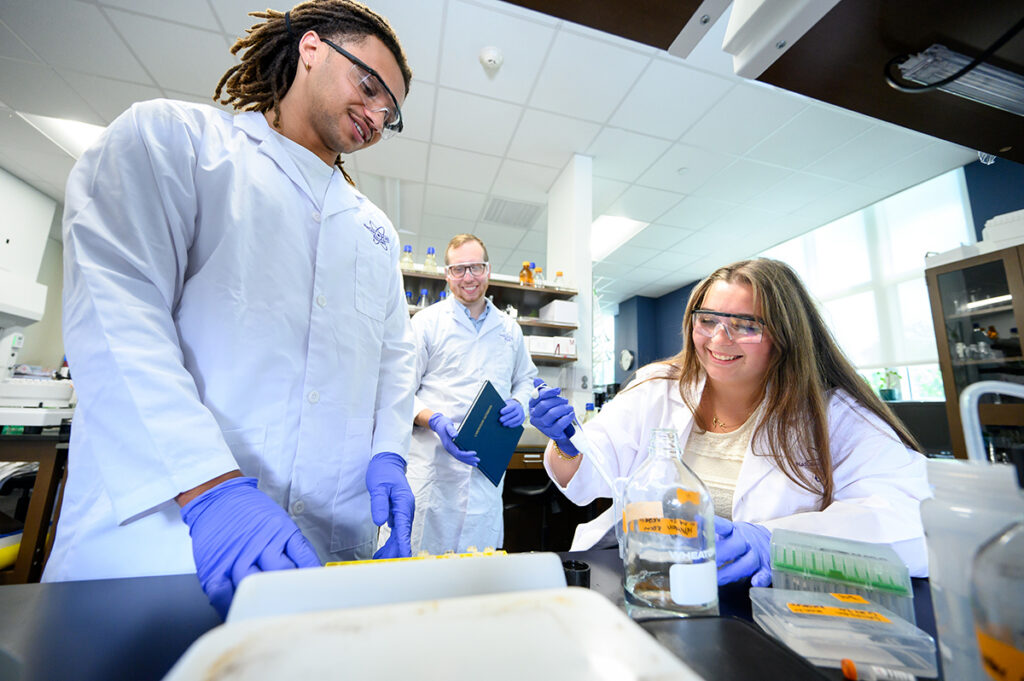
Faculty invite students into their own research in areas including cancer biology, entomology and plant genetics. Biomedical projects include:
- Dr. Matt Talbert uses fruit flies to study the genetics of aging, obesity, diabetes, behavior and development.
- Dr. Jeremy Whitson studies age-related changes in the eye lens that cause nuclear cataract, the leading cause of blindness globally, and tests whether natural products affect them.
- Dr. Robert Charvat searches for new drugs against Toxoplasma gondii, a parasite that infects about one-third of the human population.
- Dr. Neil Coffield uses zebrafish to study how embryonic exposure to endocrine disruptors affects development and reproduction.
- Dr. Alexander Mosier studies the circadian clock and how quantum mechanics may regulate it.
Plant, Ecology and Evolution Research Labs
- Dr. Nicole Hughes studies how plants adapt to environmental stress, from autumn leaf color to water-repellent leaf surfaces imaged with scanning electron microscopy.
- Dr. Megan Bowman surveys mosquito and tick populations for disease risk across North Carolina and studies bee development with RNA sequencing.
- Dr. Kenneth McKenna studies how development shapes evolution, using larval color patterns in butterflies and moths.
- Dr. Christina Harvey traces the evolution of muscle proteins in birds, fish, reptiles and deep-diving mammals.
- Dr. Dane Kuppinger used fire scars to document the fire history of Pilot Mountain State Park from 1849 to 2017, work park managers use as they plan prescribed burns, and is starting a similar study at Hanging Rock State Park.
- Dr. Daniel Greene measures how insect communities respond to urbanization in the Piedmont.
See every lab on the biology faculty research page and the biology research labs page.
Fossil Research in New Mexico
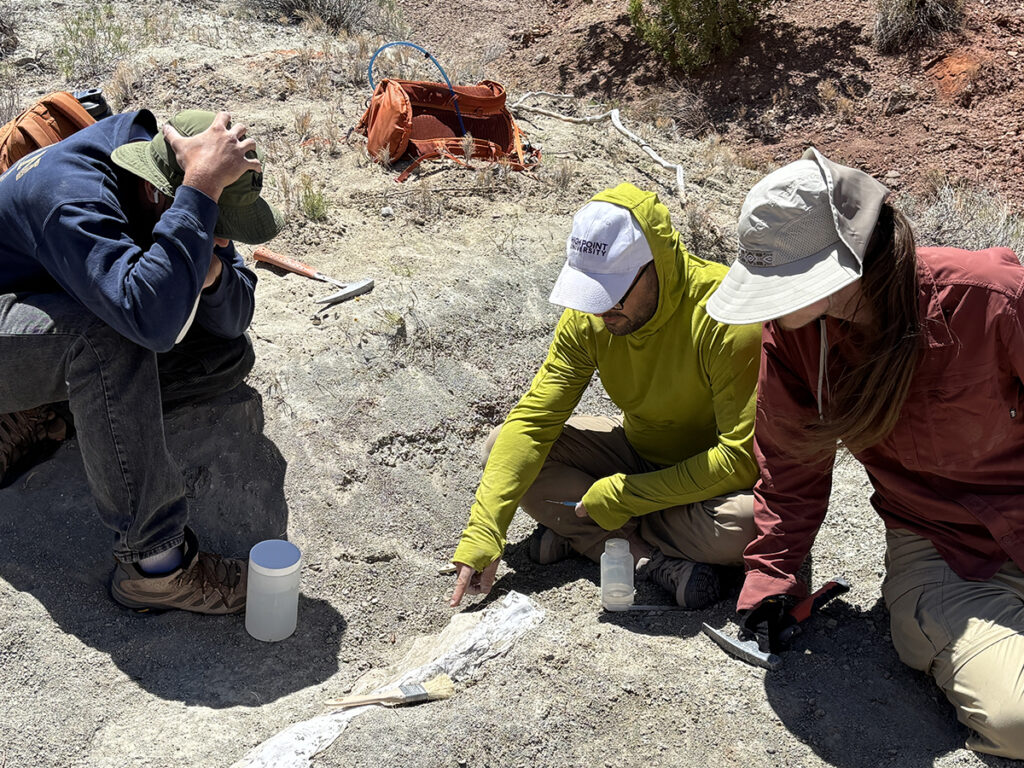
Dr. Josef Stiegler’s lab studies the anatomy and evolution of dinosaurs and their close relatives. In May, Stiegler took three students to northern New Mexico’s Carson National Forest to collect fossils of vertebrate animals that lived during the Late Triassic Period, about 220 to 210 million years ago.
Back at HPU, biology majors Justin Allan and Eleanor Lee are describing the anatomy of an unnamed Early Jurassic crocodile and building 3D models of each bone in its skull from CT scan data.
“Through participating in summer research, my eyes have been opened to the meticulous background operations of the scientific process,” said Allan, a biology major with a pre-med focus.
Biodiversity and Conservation in Australia
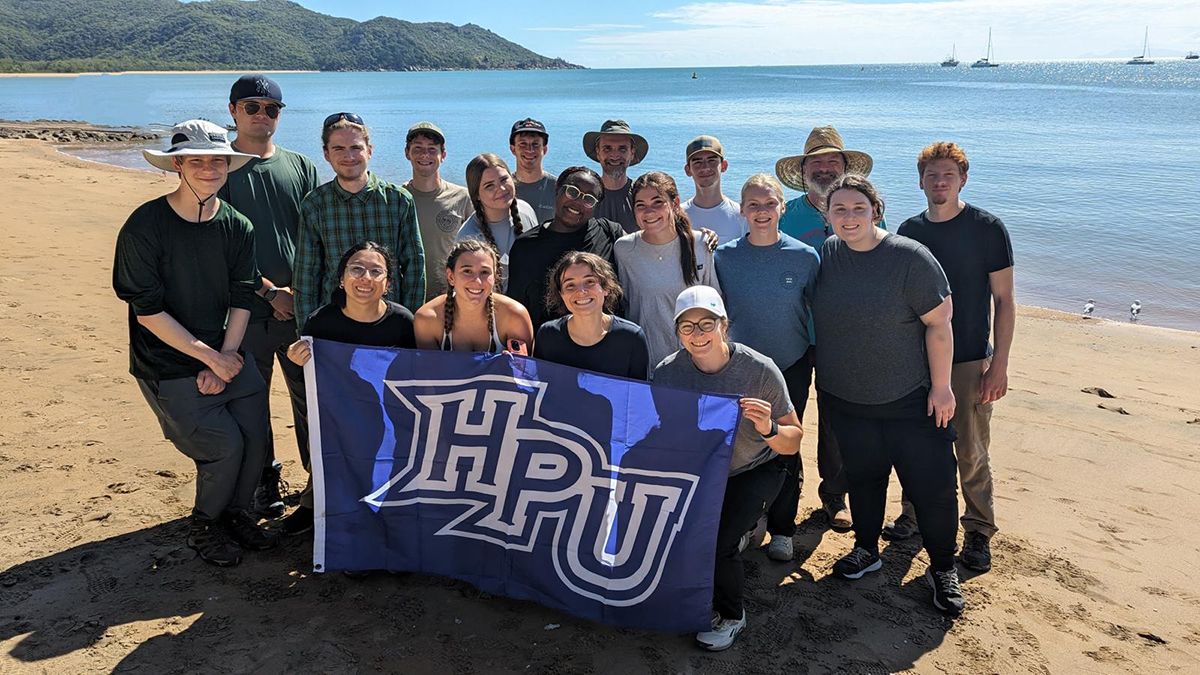
Biology majors can study biodiversity and culture in Australia through HPU’s Global Experience program. In the Life Across Space and Time: Biodiversity and Conservation course, students conducted a vegetation condition survey in the field.
“Studying Biodiversity and Conservation in Australia put into perspective just how large this world is and how important each and every living being on this planet is,” said Lindsay Elliott, a biology major with a minor in psychology who now works as a large mammal zoologist at the Dallas Zoo.
Ecuador, the Galapagos Islands and the Philippines
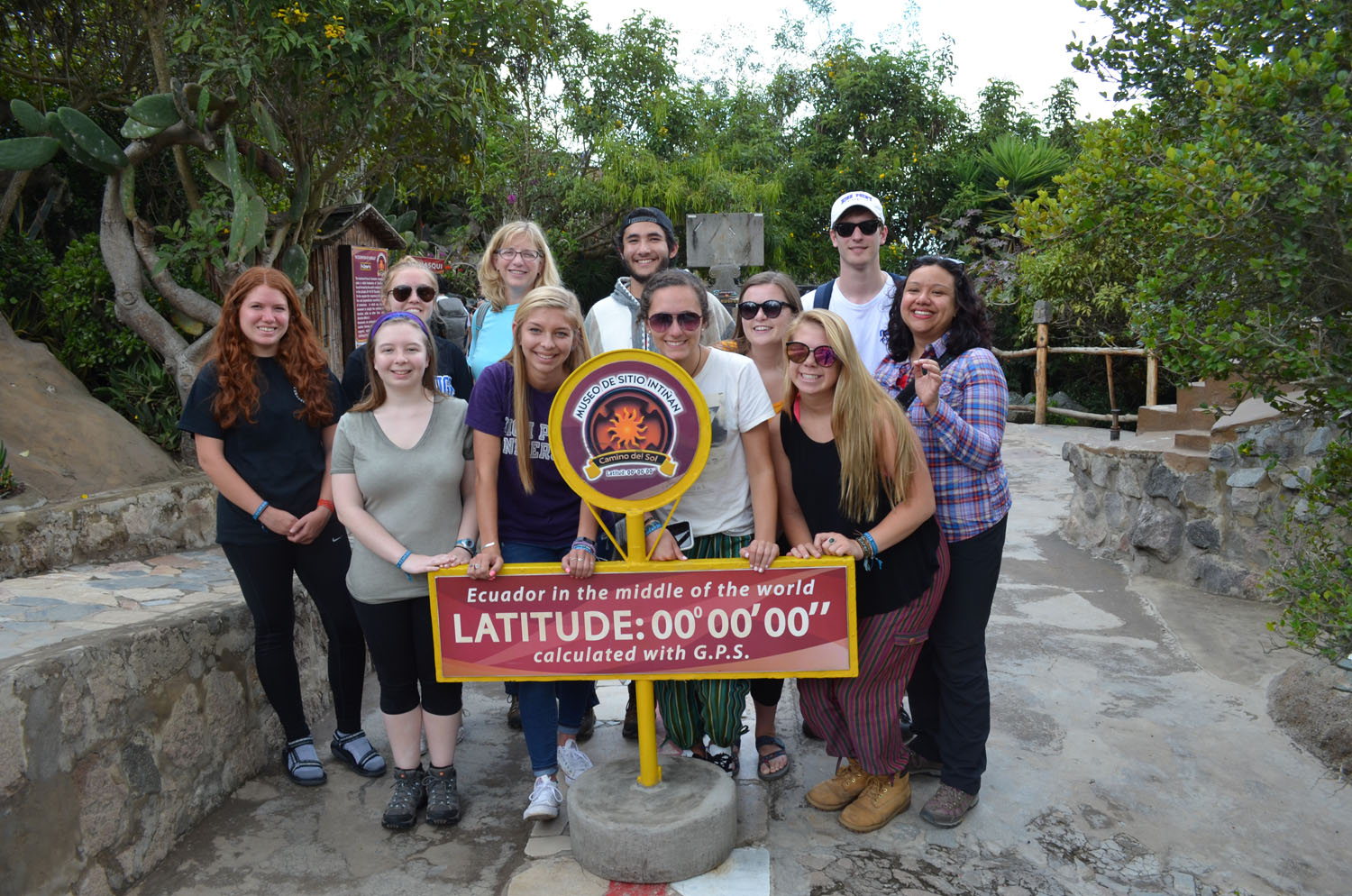
Biology students travel to Ecuador and the Galapagos Islands to study diversity and culture as part of HPU’s Global Experience program. BIO 3450 The Hidden Face of Ecuador combines the study of biodiversity in Ecuador’s ecosystems with Ecuadorian culture, and students studying conservation biology have visited the Charles Darwin Research Station in the Galapagos.
In the Philippines, biology students explore the country from sprawling rice fields to bustling urban cities, along with its ecotourism and conservation efforts.
Biology students have also conducted research in the beech forests of New Zealand, the páramo of Colombia, the Rocky Mountains, Pilot Mountain and sites across North Carolina and the United States.
Natural Sciences Fellows
The Natural Sciences Fellows program is a selective four-year program for the top 50 incoming natural sciences students each year. Fellows receive undergraduate research opportunities, professional travel, coaching, informal discussions with world-renowned scientists and a $3,000 scholarship renewable each year.
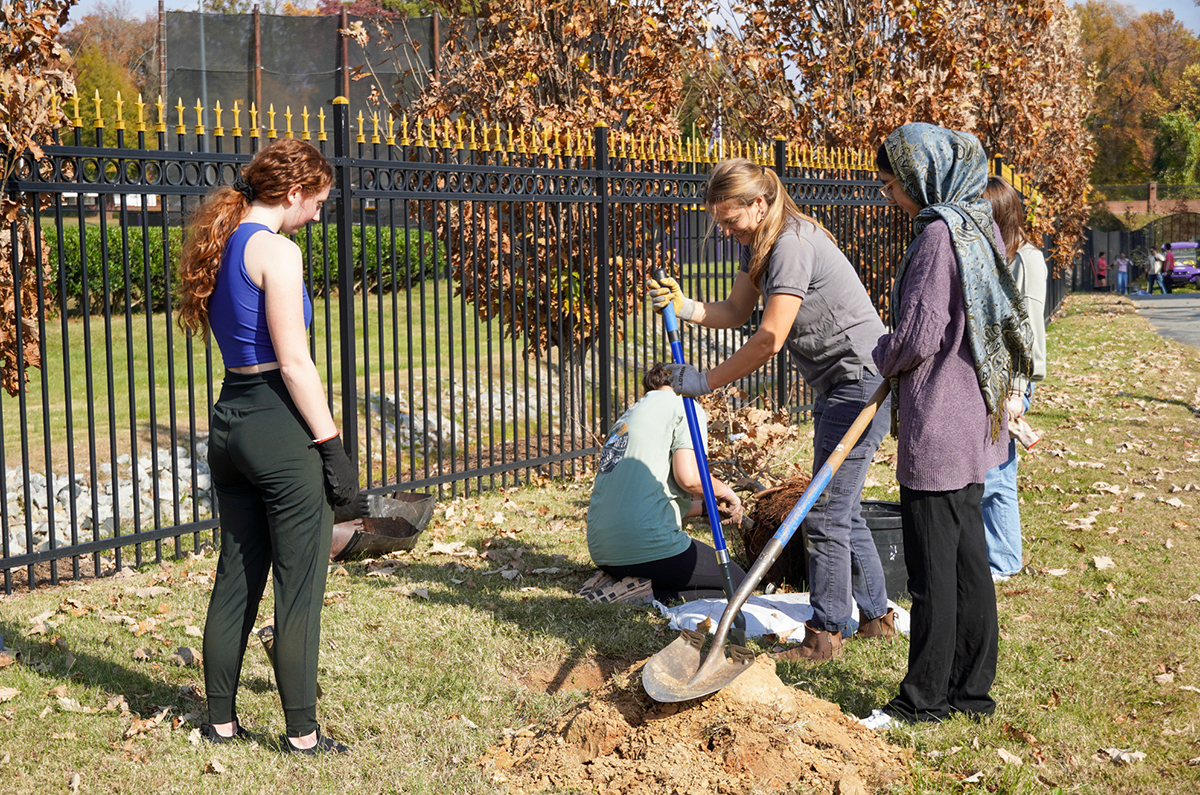
Fellows also serve together. Twenty-two Natural Science Fellows planted 10 native oak trees on the section of the High Point Greenway that crosses campus.
“Being accepted into the Natural Science Fellows Program was my most impactful moment because I found a community of like-minded individuals who are passionate about the sciences. I found some of my closest friends in the program, and we all supported each other.”
Angelina Pierre, biology major, now earning an M.S. in biomedical sciences at Wake Forest University. Read Angelina’s story.
How Biology Professors Prepared Graduates
Biology graduates credit the professors who brought them into research, plant labs and the Caine Conservatory.
Ireland Wayt
Biology major · West Virginia University School of Medicine
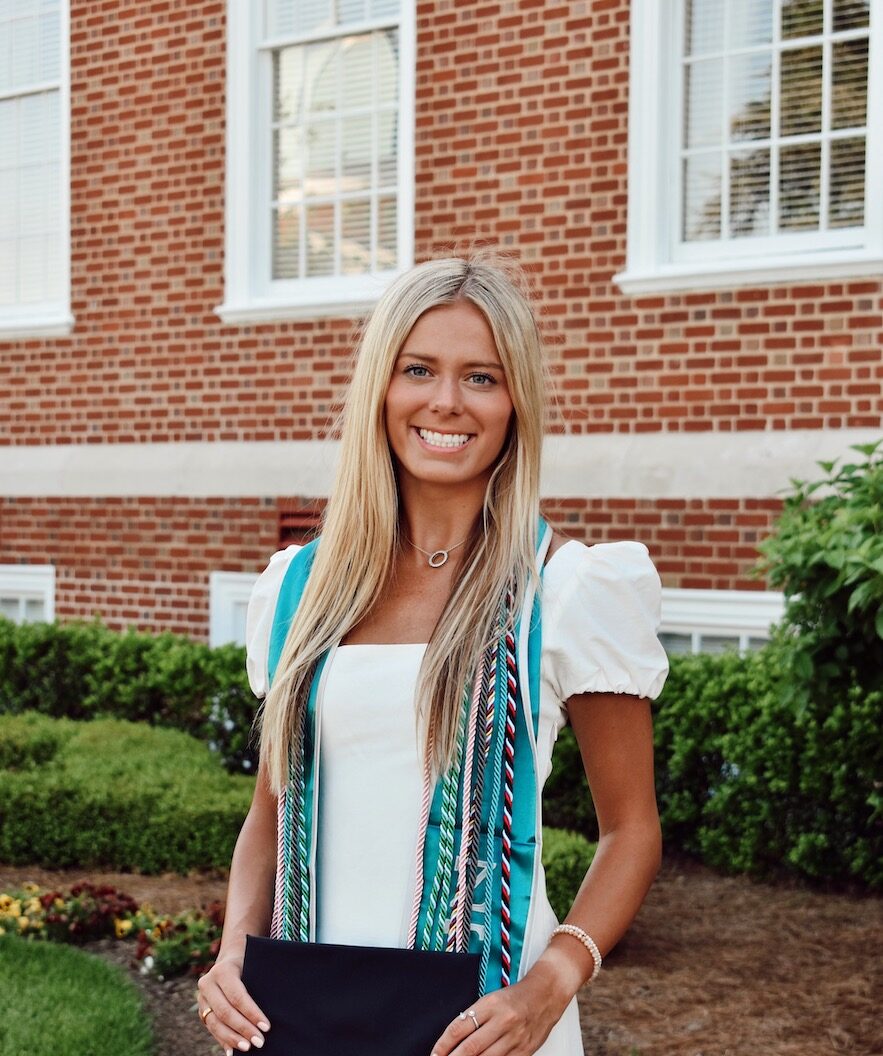
“My most impactful mentor at HPU was Dr. Heather Ahrens, assistant professor of biology. She was not only my research mentor but also my introductory anatomy professor. Dr. Ahrens helped me stay on track to reach my goal of attending medical school, and I am so grateful for the opportunity to do research with her.”
Maggie Salley
Biology major · EMT, Henderson County Rescue Squad
“My most impactful mentors at HPU were Dr. Nicole Hughes, secondary biology program coordinator and associate professor of biology, and Dr. Jason Lattier, director of Caine Conservatory. I completed plant research with Dr. Hughes and worked in the conservatory with Dr. Lattier. They both helped me so much and encouraged me to do what makes me happy.”
Alexandria Ritz
Biology major · Master of Physician Assistant Studies, High Point University
“Dr. Jackson Sparks, chair and assistant professor of biology, is one mentor who has made an impact on me. He helped me work on and finalize my essay and application for grad school. It was then I officially had a moment of realization and applied for my master’s program. Dr. Heather Ahrens, assistant professor of biology, is my other most impactful mentor. Working with her was my first experience with undergraduate research and opened a new door to things I might enjoy.”
Biology in the News
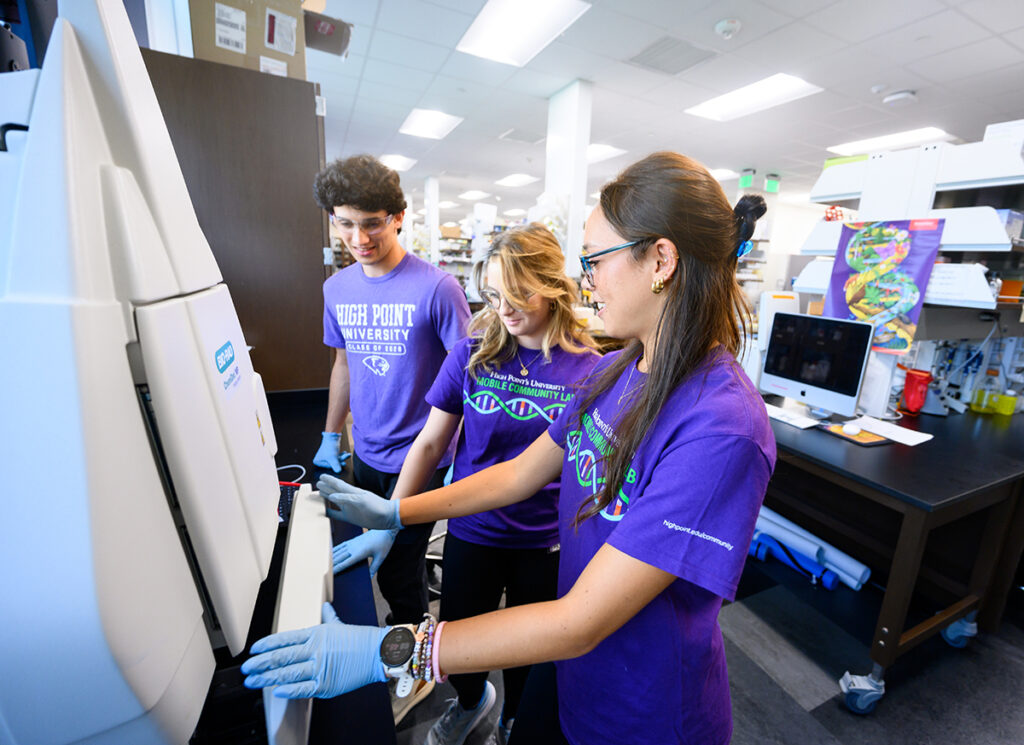
Fungi Research
HPU Students Conduct Compelling Summer Research with Faculty
Sophomore biology majors Jordan Havert and Tyler Janick are researching libraries of freshwater and marine fungi and screening them for production of medically useful compounds.
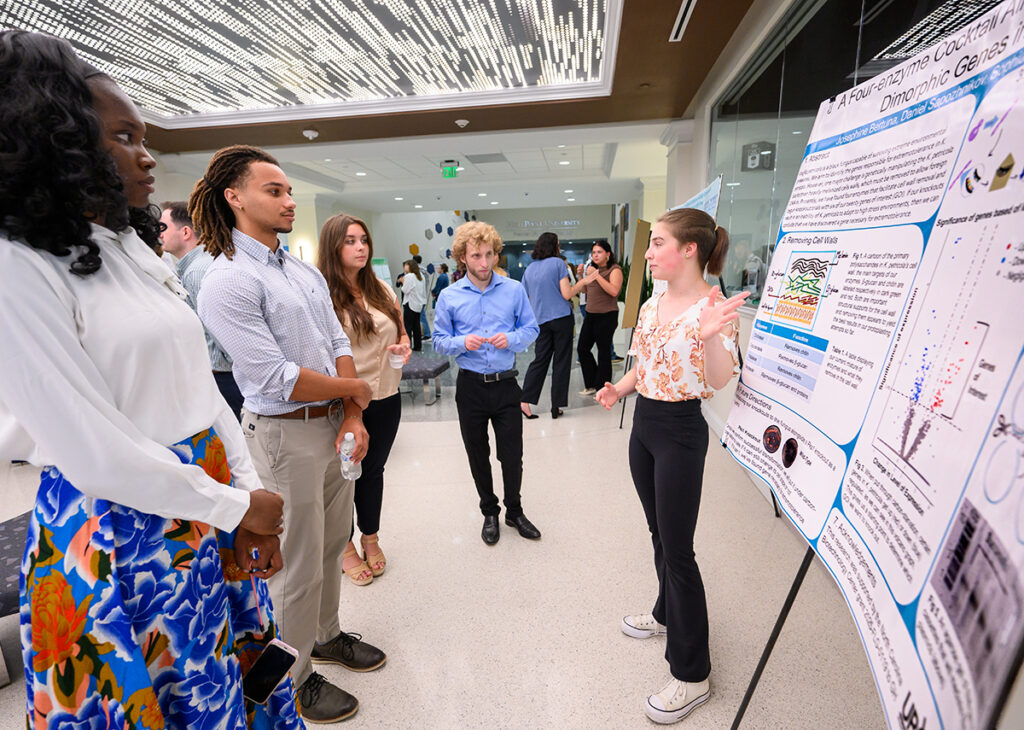
Josephine Bertuna
HPU Students Present Innovative Summer Research Projects
Josephine Bertuna, a sophomore cellular and molecular biology major, presented her research on how a black fungus survives extreme environmental conditions, such as those in outer space.
Caroline Paccione
HPU Students Participate in Innovative Summer Research
Caroline Paccione, a senior biology major from Windermere, Florida, expanded her experience in microbiology by researching the anticancer effects of melittin, the principal component of honeybee venom, on cervical cancer cells.
Priya Thornton
HPU Students and Faculty Focus on Impressive Summer Research
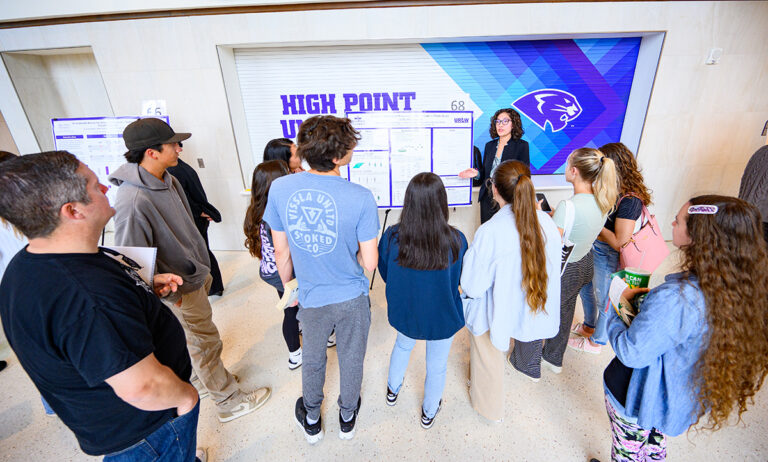
The research also has a personal connection for Priya Thornton, a sophomore biology major from Chesterfield, Virginia. Thornton is analyzing new compounds’ effects on NF1 cells and says this lab experience inspired her to pursue pediatric medicine as a career.
Aubrey Fessler
Record Number of HPU Students Present Innovative Research at Annual Symposium
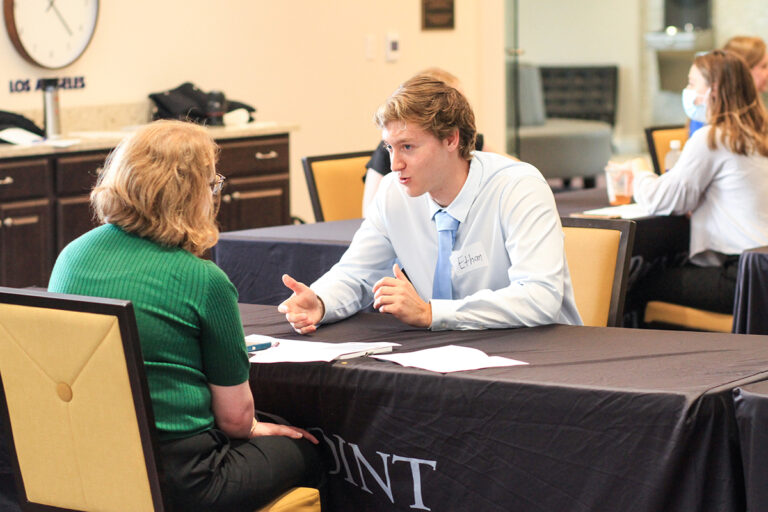
“The best thing I learned is how different parts of research can interplay with other parts of research,” said Aubrey Fessler, a freshman biology major from Placentia, California.
Garrett Alewine
Students Present Impressive Summer Research
“This is a great way to develop your skills and set yourself apart from the crowd, whether you’re applying to medical school or another graduate program,” said Garrett Alewine, a senior biology major from Charlotte, North Carolina.
Explore Biology at High Point University
See how HPU biology ranks and where its graduates go next.
Accreditation & Awards Careers & Student Organizations
Questions about the program? Email Dr. Matthew Talbert at [email protected].